
Last updated September 22, 2026
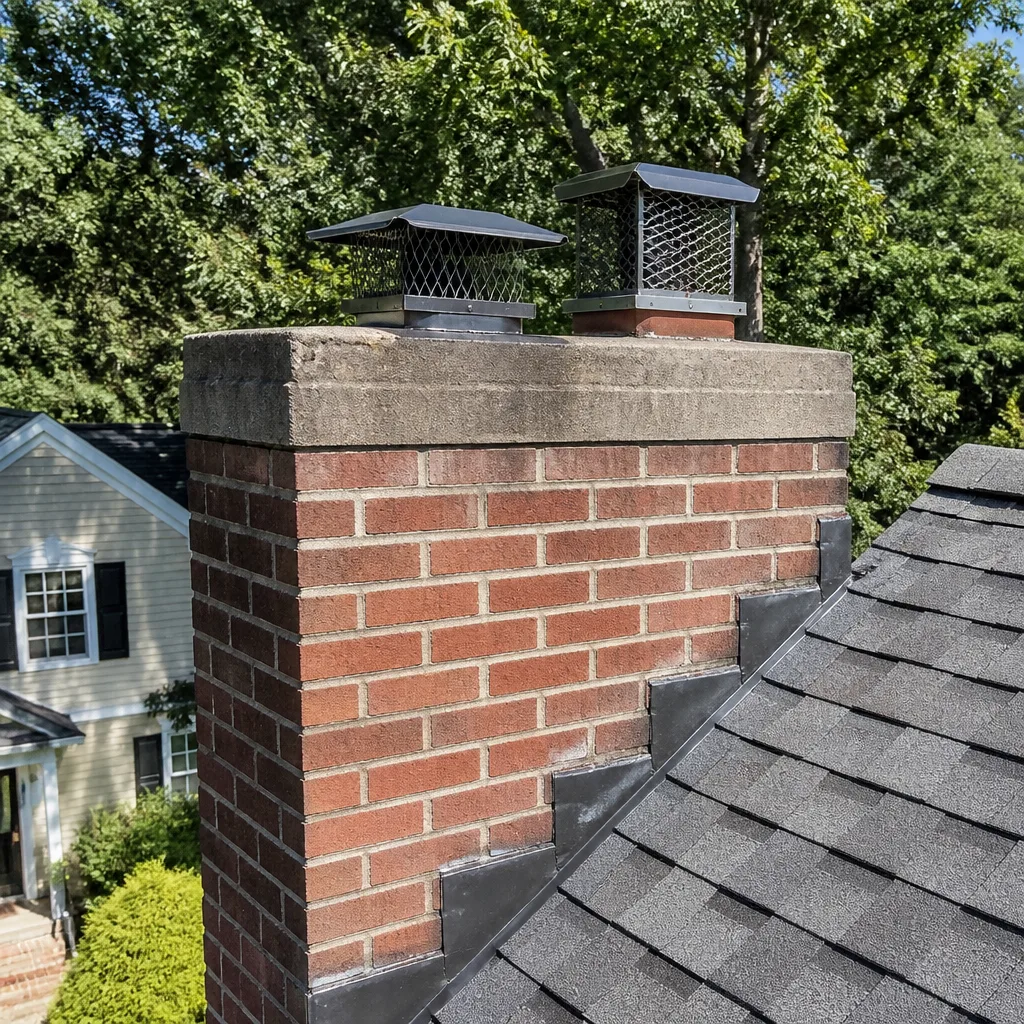
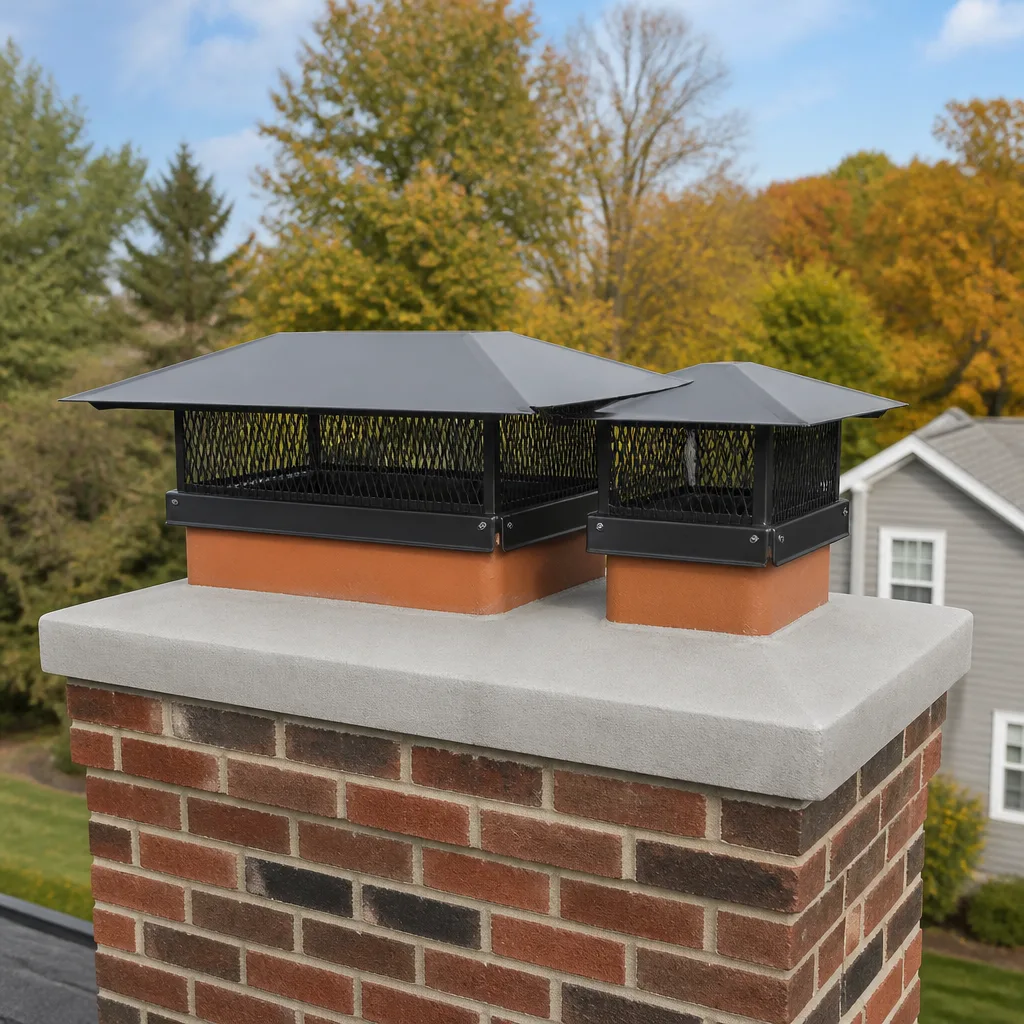
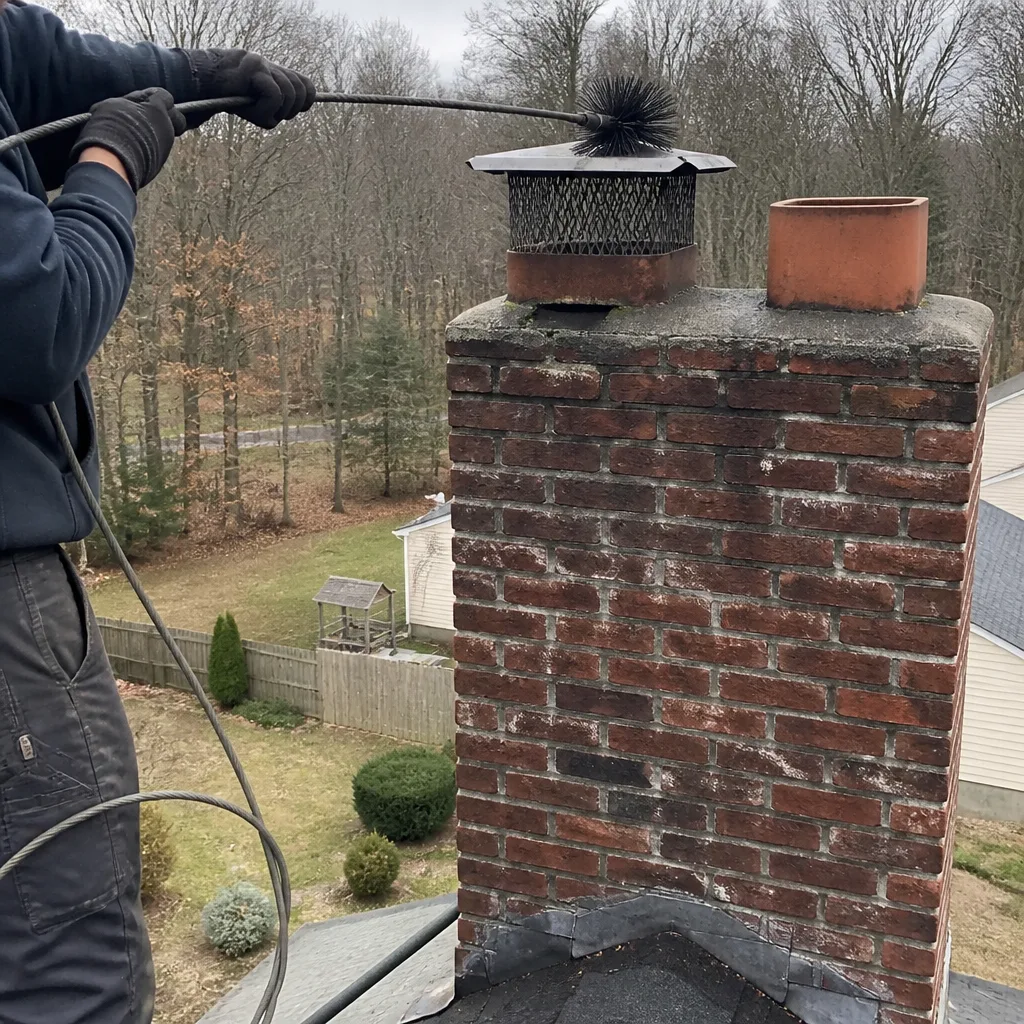
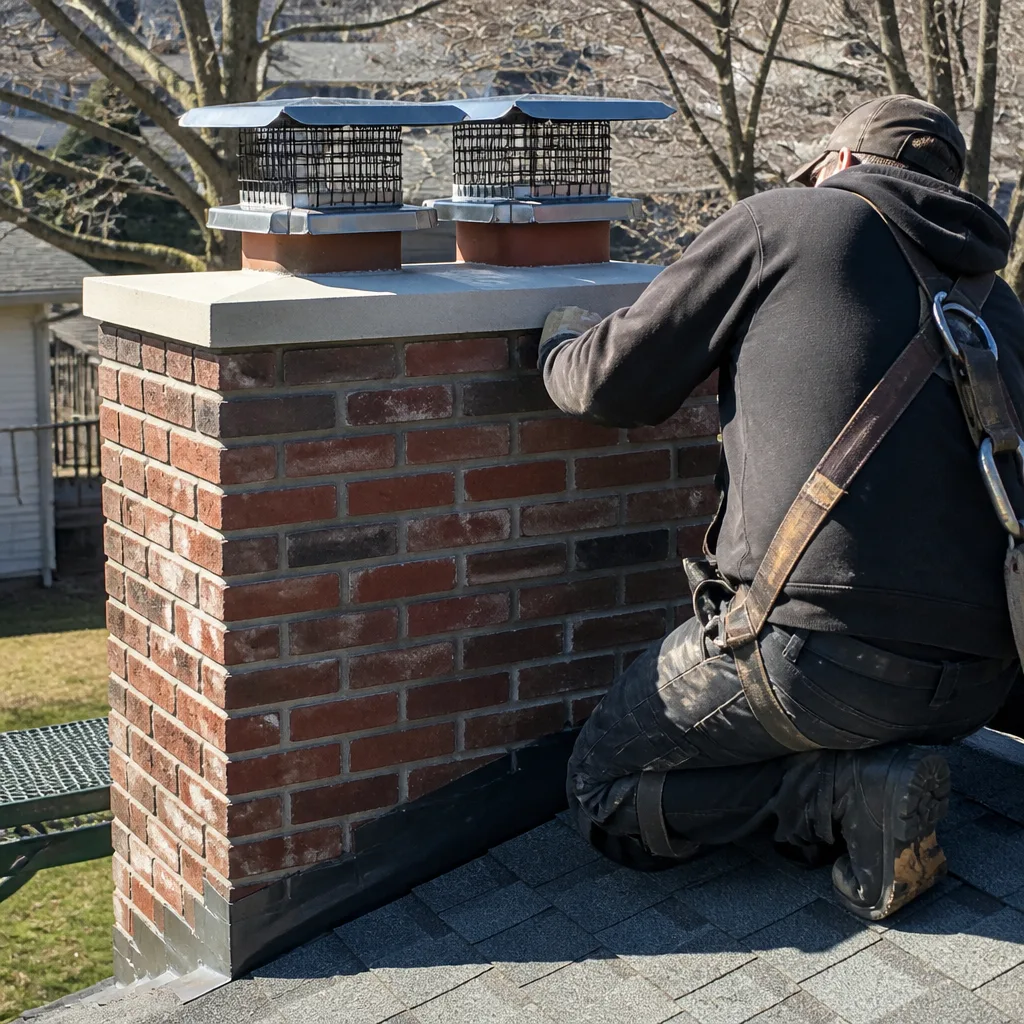
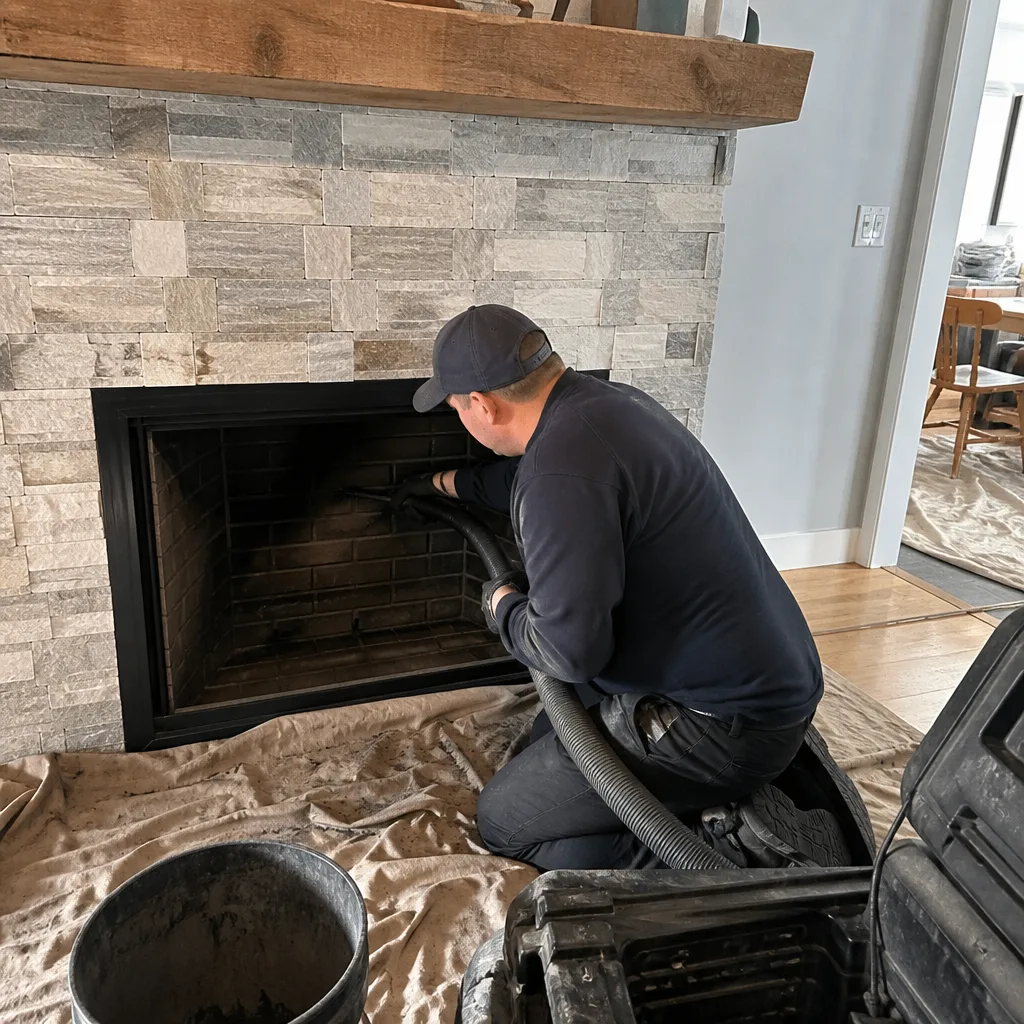
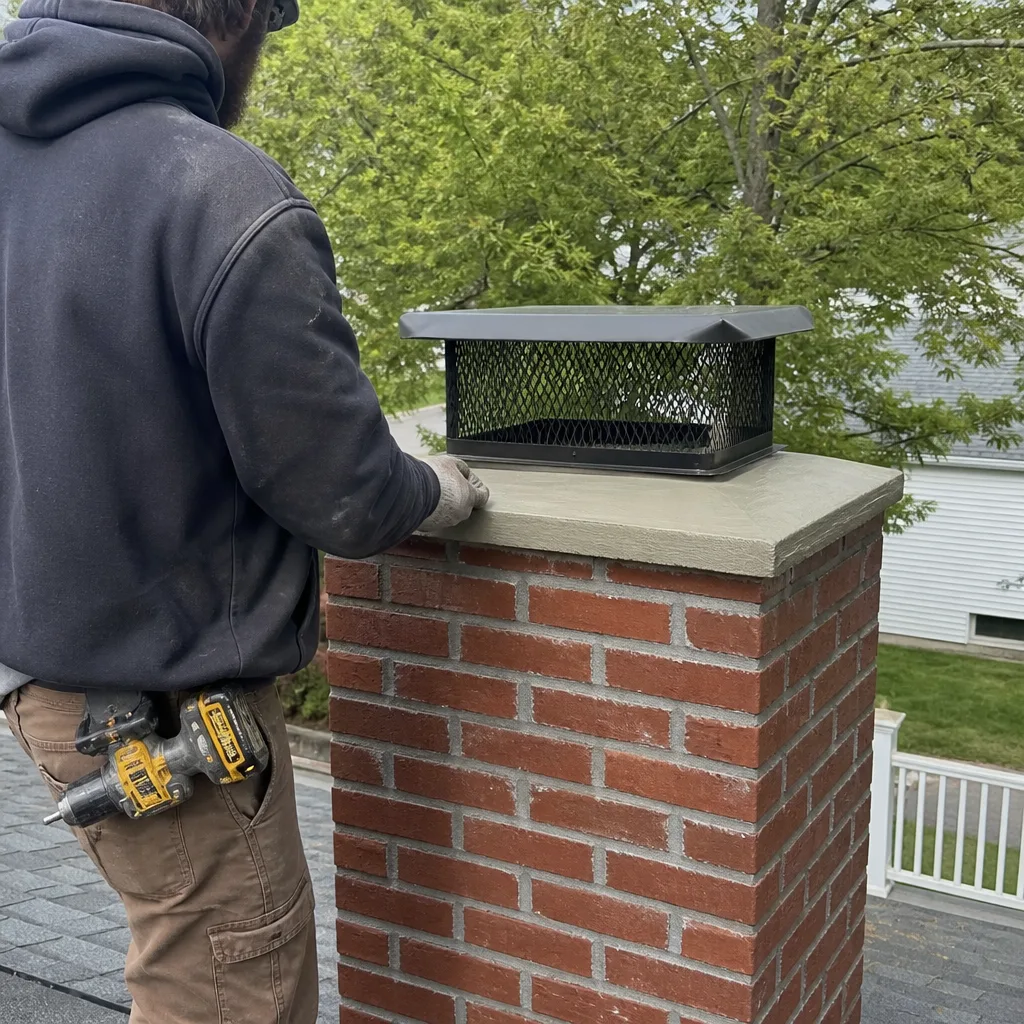
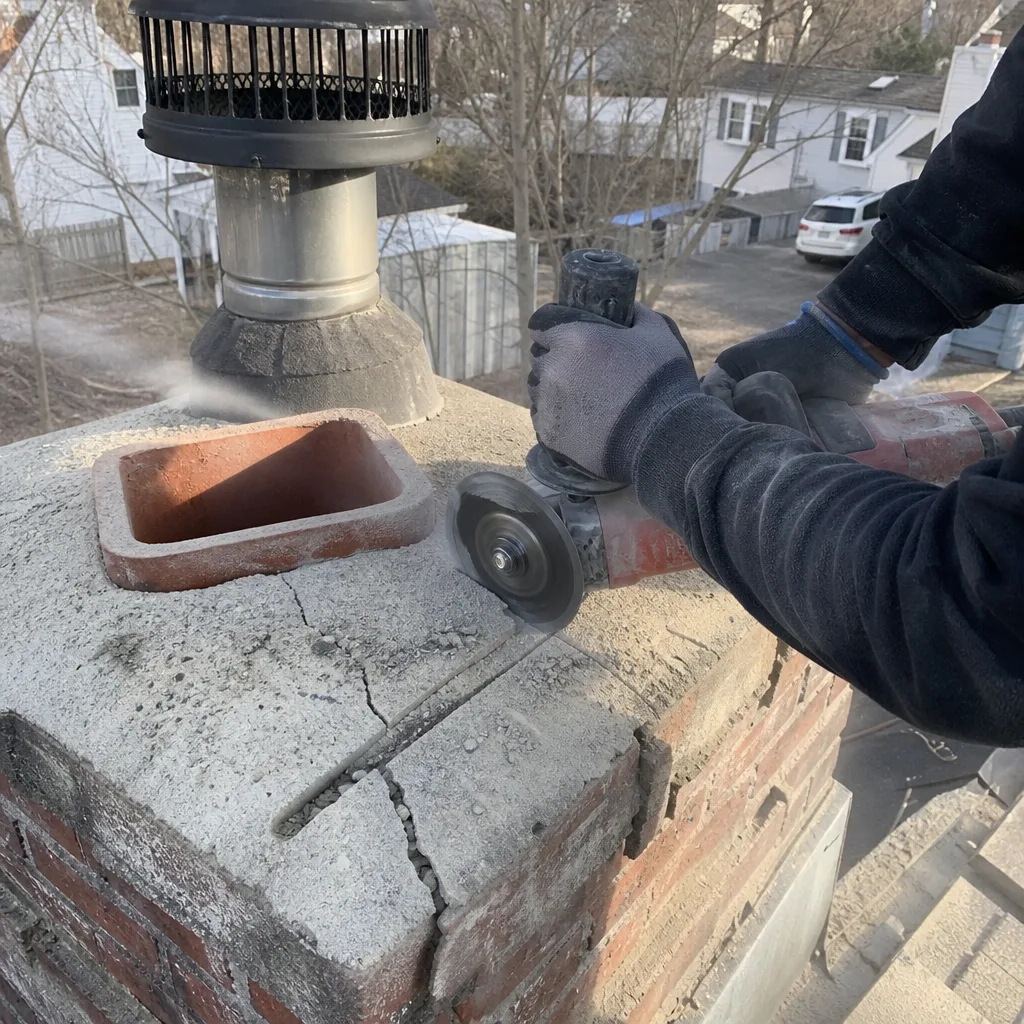
Level 1 sweep and inspection to the NFPA 211 annual standard - flue, crown, cap, and flashing checked and photographed
Chimney sweep logs do not sweep chimneys. They loosen some creosote - which then falls where a brush and vacuum still have to collect it.
 Before
 After
After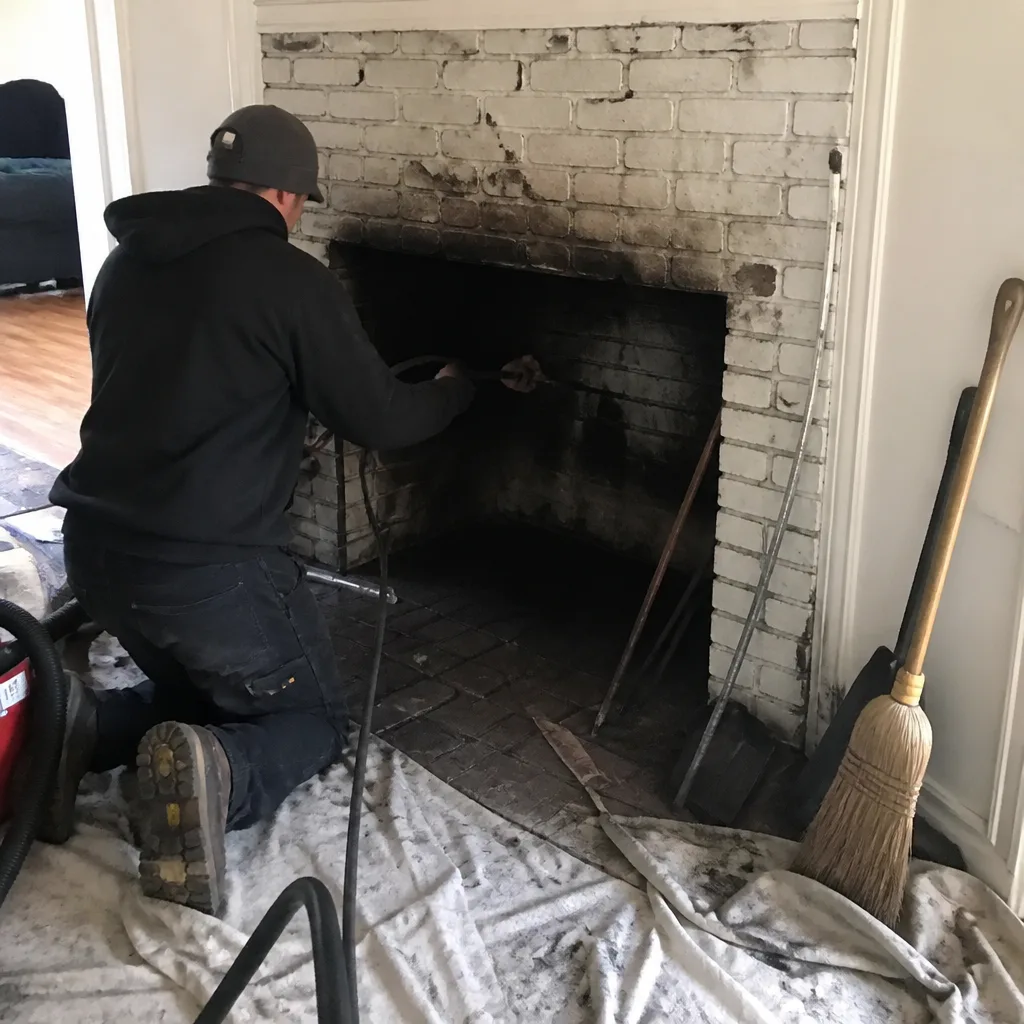 Before
 After
After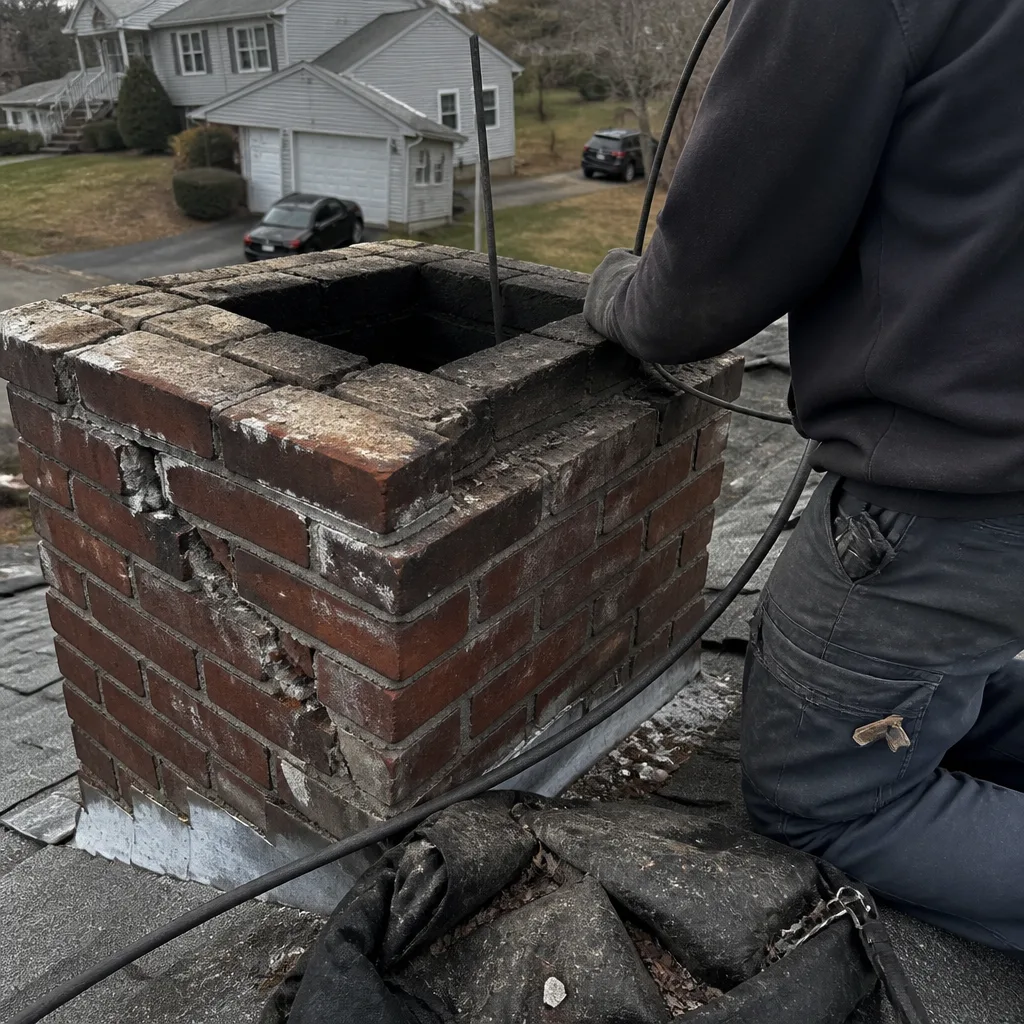 Before
 After
AfterThe Complete Guide to Chimney Cleaning in Leominster
The NFPA estimates that 25% of home heating fires involve a chimney that was “recently cleaned.” That statistic should stop every Leominster homeowner cold. It means the sweep happened, the brush went up and down, but the hazard check never did. In this guide, we’ll separate chimney cleaning into its three actual activities - sweeping, inspection, and documentation - and show you how to verify that each one was performed on your flue. For year-round seasonal care specific to Leominster, see our companion resource. You’ll learn what Leominster’s specific fuel mix does to creosote buildup, how to read a sweep quote line-by-line, and exactly what paperwork and images a finished job should leave in your hands.
Quick Answer
Professional chimney cleaning in Leominster costs $199-$349 for a standard sweep with NFPA 211 Level 2 camera inspection included. A complete job produces three deliverables: a written scope of work, before-and-after camera images of your flue liner, and a documented finding report with any recommended repairs ranked by urgency. Anything less - especially a verbal “all clear” with no photo record - leaves dangerous liner cracks and creosote deposits undetected.
Table of Contents
- The Three Activities Most Sweeps Conflate
- How Leominster’s Fuel Mix Changes Creosote Formation
- Level 1 vs. Level 2 Inspection: Why Only One Finds Liner Cracks
- What Chimney Cleaning Costs in Leominster
- How to Read a Sweep Quote Line-by-Line
- What a Finished Job Should Leave in Your Hands
- The One Question That Separates Camera Sweeps from Flashlight Operators
- Common Mistakes to Avoid
- When to Call a Professional
- Frequently Asked Questions
- The Bottom Line
 Before
 After
AfterThe Three Activities Most Sweeps Conflate
Homeowners in Leominster call us asking for “a chimney cleaning.” What they actually need is almost always three distinct services, and conflating them is how dangerous flues stay in service.
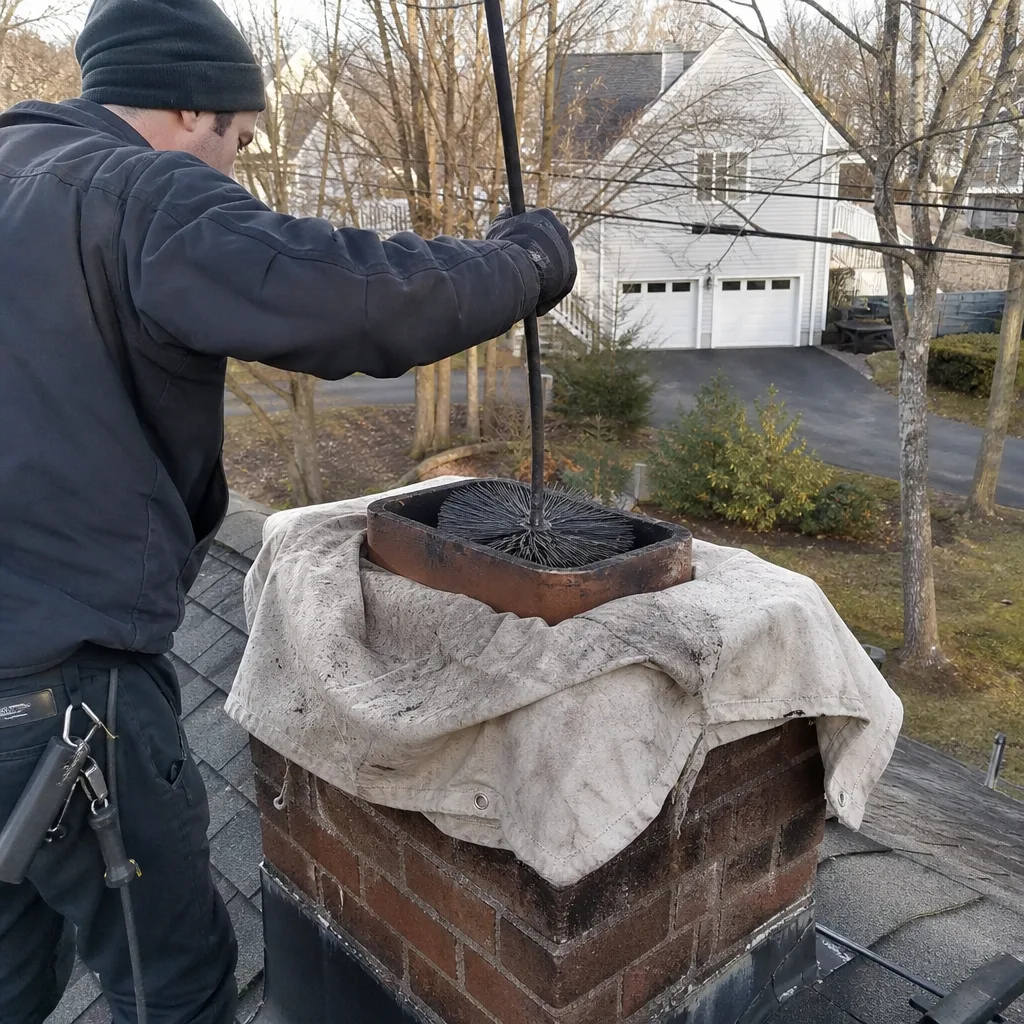
Sweeping is mechanical debris removal. A technician runs brushes, rods, and vacuums through the flue to remove soot, creosote, and animal nesting material. This is what most people picture when they say “chimney cleaning.” It is necessary. It is also insufficient.
Inspection is the hazard evaluation. NFPA 211 defines two levels relevant to residential work. A Level 1 inspection is a visual check of readily accessible portions - what a technician can see from the firebox and roof without tools. A Level 2 inspection requires a camera scan of the full flue interior, plus examination of attics, crawl spaces, and basements where the chimney passes through. Only Level 2 finds the vertical cracks, joint separation, and spalling (flaking surface deterioration) that allow heat and combustion gases to escape into wall cavities.
Documentation is the record that proves the first two happened. Under Clause 4 of the Haven Standard, which Level Two Chimney Leominster has followed since 2009, every visit produces dated camera images, a written finding report, and a written scope with price before any repair work begins. Without documentation, you have no evidence for your insurer, no baseline for future comparison, and no way to verify that a crack existed before or after a technician’s visit.
Most chimney fires in Leominster occur in systems that received sweeping within the past 18 months but never received a documented Level 2 inspection. The brush removed the soot. The crack remained.
How Leominster’s Fuel Mix Changes Creosote Formation
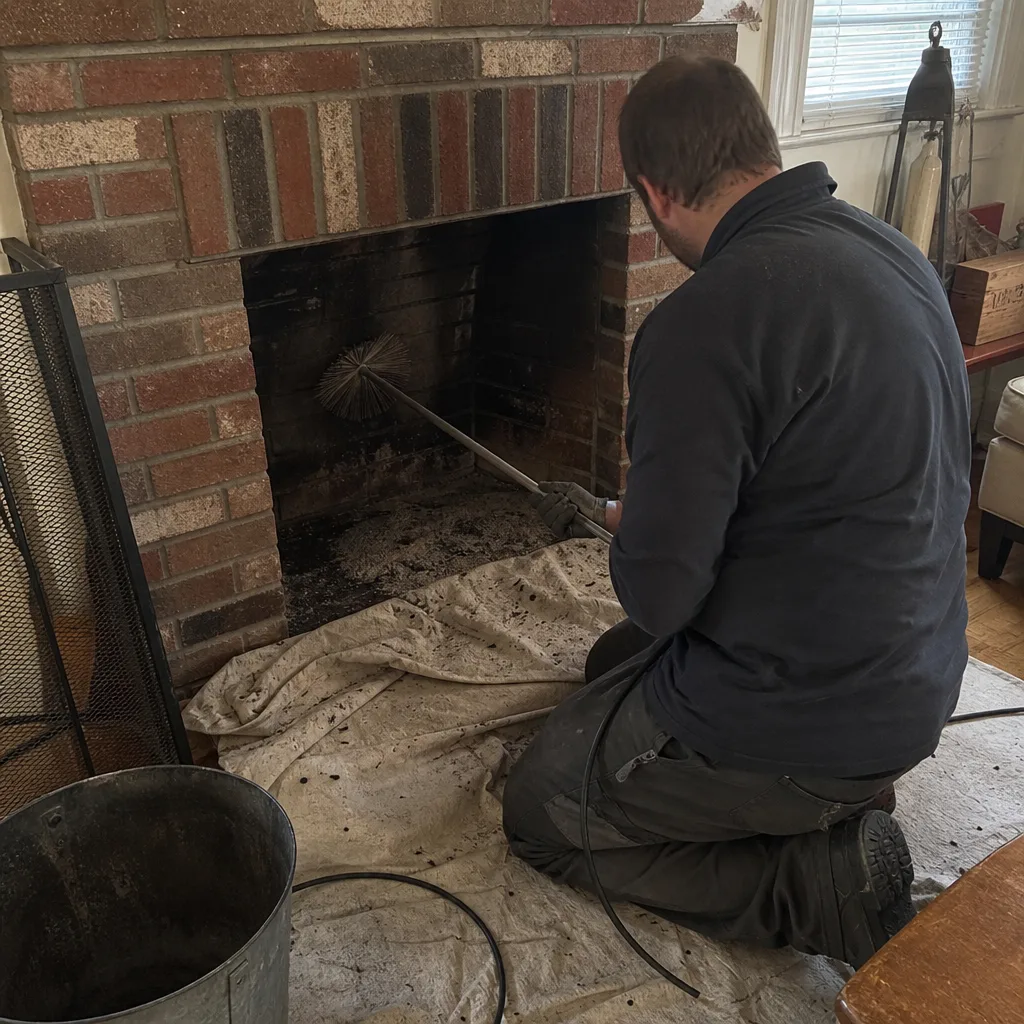
National averages for creosote accumulation assume a mixed hardwood burn at moderate moisture content. Leominster’s actual fuel profile differs in ways that accelerate or alter buildup.
Cord wood remains dominant in the neighborhoods north of Route 2 - Whalom, South Leominster, and the areas around Lake Whalom. Homeowners here often burn whatever hardwood is available locally: oak, maple, and significant quantities of ash from the emerald ash borer salvage. Green or partially seasoned ash produces more water vapor during combustion, which condenses in cooler flue sections and forms glazed creosote (Class III), the most combustible type. In our experience, Leominster cord-wood burners who source from standing dead ash need sweeping 30-40% more frequently than those burning kiln-dried hardwood.
Pellet stoves have increased sharply in the condominiums near Monument Square and the newer developments along Route 117. Pellets burn more completely than cord wood, producing finer ash and less creosote in the flue itself. But they concentrate alkaline deposits on the burn pot and exhaust path, and their venting systems - typically 3- or 4-inch pellet vent, not masonry flue - require different cleaning tools. A technician trained only on masonry chimneys can damage a pellet vent or miss exhaust blockages entirely.
Gas inserts are common in the restored Victorians downtown and the 1980s colonials near Northwest School. These produce minimal creosote but create their own documentation problem: the original masonry flue, now unused for wood burning, still deteriorates from freeze-thaw cycling and moisture intrusion. A homeowner who stops sweeping because “we only use gas” may have a cracked liner and no current inspection record. When that gas insert is eventually removed or fails, the restored wood-burning fireplace is vented through a compromised flue.
Leominster’s climate amplifies these effects. The freeze-thaw cycle here runs from late October through April, with average low temperatures below 20°F for extended periods. Moisture that enters a cracked crown or deteriorated mortar joint expands on freezing, widening cracks that were minor in autumn into liner-compromising gaps by spring. We regularly document this progression in annual inspections - minor spalling in October, visible crack extension by March.
Level 1 vs. Level 2 Inspection: Why Only One Finds Liner Cracks
The NFPA 211 standard is clear. Most sweep quotes are not.
A Level 1 inspection is appropriate when a chimney is in continued service under unchanged conditions. The technician examines readily accessible portions: the firebox, damper, smoke chamber, and exterior chimney structure. No tools are required to open or remove components. No camera is used. The technician documents what they can see.
What they cannot see: the interior surface of a clay tile liner above the smoke chamber, where vertical stress cracks develop from thermal cycling; the mortar joints between liner sections, which degrade from flue gas acidity; the transition where a stainless steel liner insert meets the original clay, a common failure point; and any obstruction or animal nesting in the upper flue, invisible from below.
A Level 2 inspection is required upon sale or transfer of a property, after an operating malfunction or chimney fire, or when any change is made to the system - including new appliance connection or relining. It includes everything in Level 1 plus:
- Camera scan of the full flue interior, from firebox to crown, with dated images saved to the customer record
- Examination of accessible portions in attics, crawl spaces, and basements where the chimney passes through structure
- Evaluation of clearances to combustibles in accessible locations
- Written report of findings with recommendations ranked by urgency
The camera scan is the critical difference. A clay tile liner can look sound from the firebox and show multiple cracks on camera. We’ve documented this in Leominster homes from all eras: 1890s Victorians with original liners, 1950s ranch houses with post-war clay, 1980s constructions with early stainless inserts. The crack pattern varies by age and material, but the detection method does not.
Clause 4 of the Haven Standard requires a photo record on every job. We adopted this in 2009, before NFPA guidance emphasized documentation and before insurers began requesting it for claim validation. The 38,000+ chimneys in our archive include Leominster flues from every neighborhood, every construction decade, and every fuel type. That baseline lets us compare your images against similar systems and identify deterioration patterns that a single visit cannot establish.
What Chimney Cleaning Costs in Leominster
Chimney cleaning prices in Leominster vary by what is actually included. The table below shows typical ranges for each service tier. Prices assume a single-flue, residential masonry chimney in accessible condition.
| Service | Typical Range | What’s Included |
|---|---|---|
| Basic sweep only (no inspection) | $99-$159 | Mechanical debris removal; verbal all-clear |
| Sweep + Level 1 inspection | $149-$219 | Sweep plus visual check; written checklist |
| Sweep + Level 2 camera inspection | $199-$349 | Sweep, camera scan, photo record, written report |
| Level 2 inspection alone (no sweep needed) | $179-$289 | Camera scan, photo record, written report |
| Pellet stove vent cleaning | $159-$249 | Burn pot service, vent brush-out, draft test |
| Gas insert inspection | $149-$219 | Appliance check, draft test, masonry flue camera scan |
Several factors push pricing toward the higher end in Leominster:
- Steep roof pitch common in the older neighborhoods near downtown requires additional safety equipment and time
- Multiple flues in Center-Leominster duplexes and triple-deckers add per-flue charges
- Class III glazed creosote requires chemical treatment before mechanical removal, adding a return visit
- Blocked or collapsed liners discovered during inspection require additional camera time and may change the scope
At Level Two Chimney Leominster, the price we quote in writing before work starts is the price you pay. Clause 1 of the Haven Standard - “Have it in writing” - means a written scope, written price, and written warranty delivered before anyone enters your home. If inspection reveals conditions that change the scope, we stop, show you the camera images, and provide a revised written price before proceeding.
Materials for any repair work come through our Haven buying network: DuraFlex and Olympia Chimney for stainless liner systems, HeatShield for cerfractory flue resurfacing, Gelco for caps and crowns. This network exists specifically to keep customer prices honest, not to inflate them with proprietary markups.
How to Read a Sweep Quote Line-by-Line
A chimney sweep quote should tell you exactly what you’re buying. Most do not. Here’s how to read one with the precision the transaction deserves, and for deeper guidance on vetting providers, see How to Hire a Chimney Cleaning Contractor in Leominster: A Step-by-Step Guide.
Line item: “Chimney cleaning” or “Chimney sweep”
This should specify the flue type (masonry, pellet vent, direct vent), the number of flues, and whether the service includes the firebox, smoke chamber, and damper or only the flue itself. “Chimney cleaning” without qualification often means flue-only, with the smoke chamber - a common creosote accumulation point - left untouched.
Line item: “Inspection”
Look for the NFPA level. “Inspection” without a level specified is almost always Level 1, a visual check. If you are buying or selling a home in Leominster, or if your system has changed in any way, you need Level 2 specified explicitly. The words “camera inspection” or “video scan” should appear. “Flashlight inspection” or “visual assessment” means no camera.
Line item: “Documentation” or “Report”
This should specify what you receive: printed report, digital images, video file, or verbal summary. “Report included” without format specified often means a handwritten checklist. Clause 4 of the Haven Standard requires dated, archived camera images - not a checkbox on a carbon form.
Line item: “Trip charge” or “Service fee”
This is often where companies hide the cost of bringing a camera they do not own or prefer not to use. A legitimate Level 2 inspection requires specialized camera equipment; its cost belongs in the inspection line item, not buried in a generic fee.
Line item: “Recommended repairs”
Any repair recommendation should reference specific findings from the inspection, with camera images showing the condition. “Crown needs repair” without a photo of the crown is not a finding; it is a sales pitch. Our practice is to show you the image, explain what it means for operation and safety, and provide a separate written repair quote with no pressure to decide immediately.
Red flags in Leominster quotes:
- Verbal quotes or “we’ll tell you when we get there” pricing
- Inspection included “if needed” - the determination of need is itself an inspection
- No mention of NFPA 211 or inspection level
- Repair recommendations without supporting documentation
- Pressure to decide on repairs during the same visit
What a Finished Job Should Leave in Your Hands
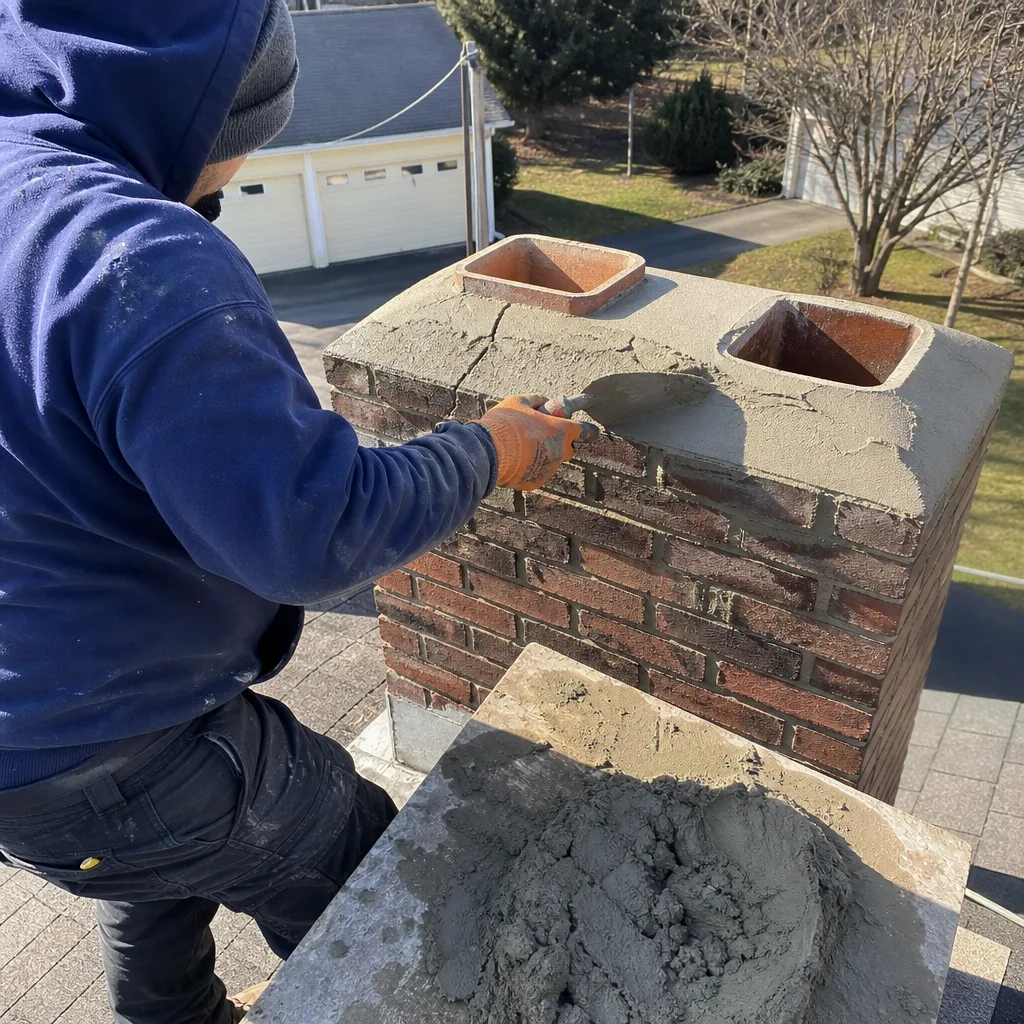
A completed chimney cleaning and inspection should produce physical and digital evidence. Not a verbal summary. Not a business card with a checkmark. Documented proof that three activities occurred.
1. Written scope of work
This document states what was done: flue swept, smoke chamber brushed, damper serviced, firebox vacuumed, exterior crown and cap examined. It specifies the inspection level performed and the equipment used. It is dated, signed by the technician, and includes the company license information.
2. Before-and-after camera images
The camera scan produces images of the full flue interior: firebox transition, smoke chamber, each liner section joint, and the crown interface. Before sweeping, these images show creosote buildup and any visible defects. After sweeping, they show the cleaned surface and any defects that remain. You should receive these images in a format you can save and forward - not view once on a technician’s phone.
Our archive now holds more than 38,000 such records, dating to 2009. Every Leominster customer can request their historical images for comparison. A crack that measures 1/16 inch in 2023 and 3/16 inch in 2025 is documented deterioration, not speculation.
3. Documented finding report with ranked recommendations
This report separates findings into three categories: conditions requiring immediate attention before next use (unsafe to operate); conditions requiring attention within the current burning season (monitor and schedule); and conditions to note for future inspection (no immediate action). Each finding references the camera image that supports it.
Nothing is recommended without camera evidence you can see for yourself. If a liner replacement is suggested, you see the crack that justifies it. If a crown repair can wait, we say so plainly. The 365-Day Done Right Promise covers every job: if it’s not done right, we make it right.
Chimney repair in Leominster should follow the same documentation standard. Any repair quote you receive from any company can be brought to us for a free second opinion - we’ll camera-scan the same area and show you what we find.
The One Question That Separates Camera Sweeps from Flashlight Operators
Before you schedule any chimney service in Leominster, ask this exact question:
“Will the technician perform a camera scan of the full flue interior, and will I receive dated images from that scan in a format I can keep?”
The answer tells you everything.
A company equipped and trained for Level 2 inspection will answer immediately: yes, the camera scan is standard, and yes, you receive digital images. They may describe their camera model, their image resolution, and their archive system. This is the answer we give at Level Two Chimney Leominster.
A company that does not routinely perform Level 2 inspections will hesitate, qualify, or deflect. Common responses: “We do a visual inspection first and camera only if we see something” (the camera is what sees something); “The technician will let you know if a camera is needed” (the determination requires a camera); “We can add a camera for an additional fee” (equipment they do not own or prefer not to use); or “Our technician has 20 years of experience and can spot problems by eye” (no human eye sees around a flue bend or through soot).
The follow-up question is equally important: “What does the written report include, and when do I receive it?”
A documented inspection produces its report after the camera scan is reviewed, not before. You should receive it during or immediately after the visit, not days later, not “by email sometime this week.” The report without dated images is incomplete. The images without a written finding report are unexplained.
Corrine Halstead established this standard at our founding in 2009 because the alternative - trusting a technician’s memory and verbal summary - failed homeowners when they needed documentation most: after a chimney fire, during a home sale, or when a subsequent inspector found a condition that should have been identified earlier.
Common Mistakes to Avoid
- Scheduling “just a sweep” before a home sale. Massachusetts real estate transactions require Level 2 inspection for solid-fuel chimneys. A sweep with Level 1 visual check does not satisfy this requirement and will be repeated by the buyer’s inspector.
- Assuming gas inserts eliminate chimney maintenance. The masonry flue still deteriorates from moisture and freeze-thaw cycling. We find cracked liners in gas-only chimneys throughout Leominster’s older housing stock, particularly downtown and near the Common.
- Burning unseasoned ash from local salvage. The emerald ash borer has made standing dead ash abundant and cheap. It also produces Class III glazed creosote when burned green. If your wood hisses or sizzles in the firebox, it’s not dry enough.
- Accepting verbal repair recommendations. “Your liner looks bad” without a camera image is not a finding. Every recommendation should reference specific, viewable evidence.
- Ignoring the smoke chamber. This funnel-shaped area above the damper accumulates creosote and is invisible from below without proper lighting and access. Many “chimney cleanings” skip it entirely.
- Waiting for visible smoke or odor. Carbon monoxide and flue gas leaks produce no visible smoke. By the time you smell creosote or see staining, the condition has been developing for multiple burning seasons.
- Choosing by price alone. The $99 sweep special is profitable only by omitting inspection time, documentation, or proper equipment. The cost of a missed liner crack is measured in property damage or worse.
When to Call a Professional
Call a chimney professional before the burning season begins, not after the first fire. For more guides & resources on protecting your home, explore our blog. In Leominster, that means scheduling in August or September, before the October rush that extends wait times and compresses inspection thoroughness.
Call immediately if you notice any of the following: visible creosote flakes in the firebox, a strong smoky odor when the fireplace is not in use, draft problems or smoke spillage into the room, white efflorescence or dark staining on exterior masonry, or any change in appliance performance after a storm or seismic event.
Call before modifying any part of the system: new insert installation, liner replacement, damper repair, or crown rebuilding. Each change triggers the NFPA 211 requirement for Level 2 inspection.
Level Two Chimney Leominster offers free estimates in Leominster. Our live phone support runs 24 hours a day, 7 days a week - you’ll speak to a person, not a voicemail system. Call (978) 481-2900 to schedule, or to request a free second opinion on any written estimate you’ve received from another company.
Frequently Asked Questions
A professional chimney sweep with Level 2 camera inspection in Leominster typically costs $199-$349 for a single-flue masonry chimney. Basic sweep-only services without inspection run $99-$159 but do not include the camera scan that finds liner cracks. Call (978) 481-2900 for an exact quote - estimates are free.
The NFPA recommends annual inspection for all chimneys, with sweeping frequency determined by use and fuel type. Cord-wood burners in Leominster using local hardwood typically need annual sweeping; pellet stove users can often extend to every two years with annual inspection; gas insert systems need annual inspection of the masonry flue even when no creosote accumulates. The specific schedule for your system depends on what the camera scan shows.
You need a new liner only if camera inspection documents specific failure: vertical cracks in clay tile, joint separation allowing gas leakage, or spalling that reduces liner thickness below safe margins. We show you the image, explain the failure mode, and provide a written repair quote with no pressure to decide immediately. If the liner is sound, we say so plainly.
Skipped maintenance allows creosote accumulation that fuels chimney fires, and leaves liner deterioration undetected until it causes structural damage or carbon monoxide intrusion. In Leominster’s freeze-thaw climate, minor crown cracks that a camera would catch in autumn become liner-compromising moisture paths by spring. The cost of prevention is predictable; the cost of failure is not.
A sweep removes debris; an inspection evaluates safety. They are separate activities that should occur together. A sweep without inspection leaves hazards in place. An inspection without sweeping may miss conditions hidden by creosote buildup. A complete service includes both, plus documentation.
Leominster follows the Massachusetts State Building Code, which references NFPA 211 for chimney standards. The city requires permits for new chimney construction and liner replacement, but not for routine sweeping and inspection. For real estate transactions, Massachusetts home inspectors typically reference NFPA 211 Level 2 as the standard for solid-fuel chimney evaluation. We document our work to this standard for every Leominster customer.
The Bottom Line
Chimney cleaning is three activities, not one. Sweeping removes debris. Inspection - specifically NFPA 211 Level 2 with camera scan - finds the cracks and deposits that sweeping alone cannot. Documentation gives you proof that both occurred, with dated images and a written report you can use for insurance, real estate, or your own records.
In Leominster, your fuel type and local climate affect how quickly creosote forms and how freeze-thaw cycling degrades your system. A quote that does not specify inspection level, a company that cannot confirm camera equipment, or a finished job that produces no images and no written report - each is a signal that the hazard check did not happen.
We’ve completed more than 38,000 chimney inspections and cleanings since 2009, every one with a written price before work started and a documented record when it was done. The Haven Standard governs every visit. The 365-Day Done Right Promise covers every job.
Call (978) 481-2900 for a free estimate. Ask us the one question. We’ll show you the camera.
Written by Corrine Halstead, Owner at Level Two Chimney Leominster, serving Leominster since 2009.