
Last updated September 22, 2026
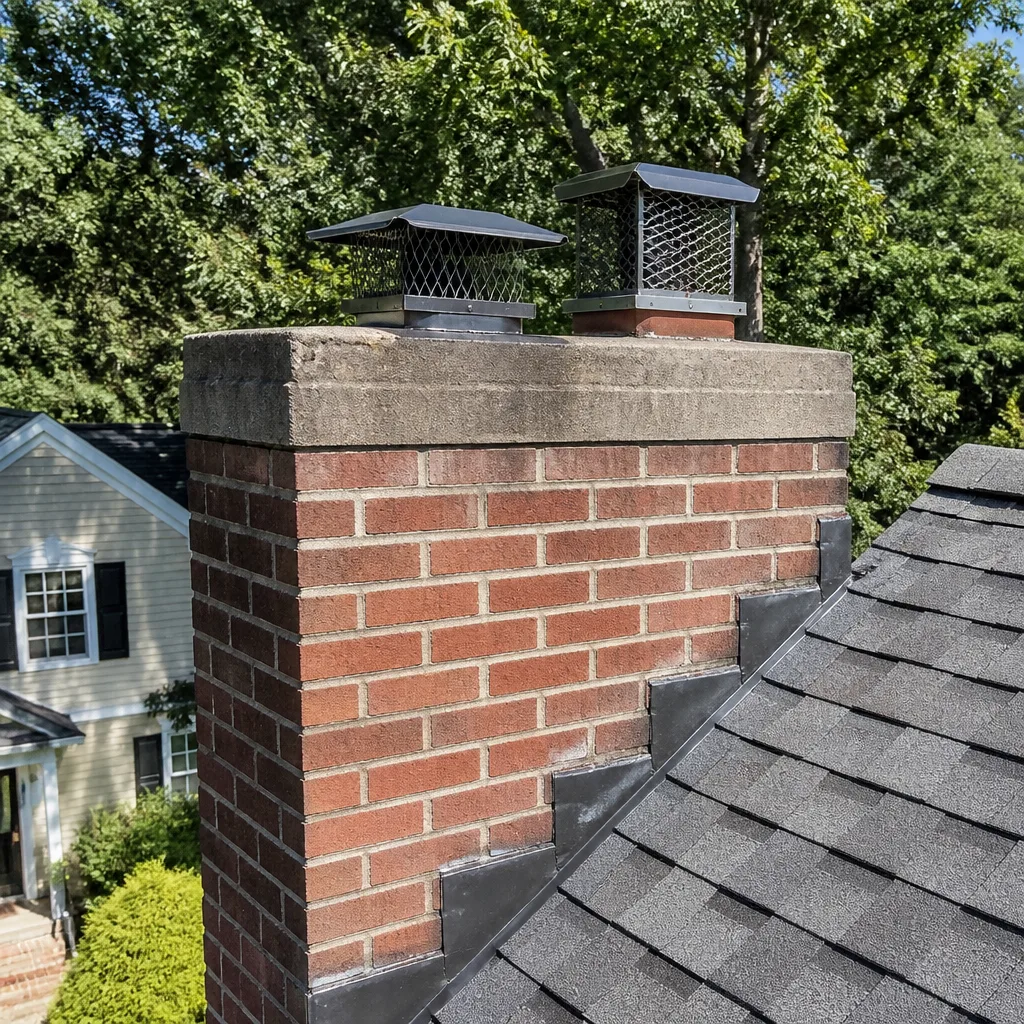
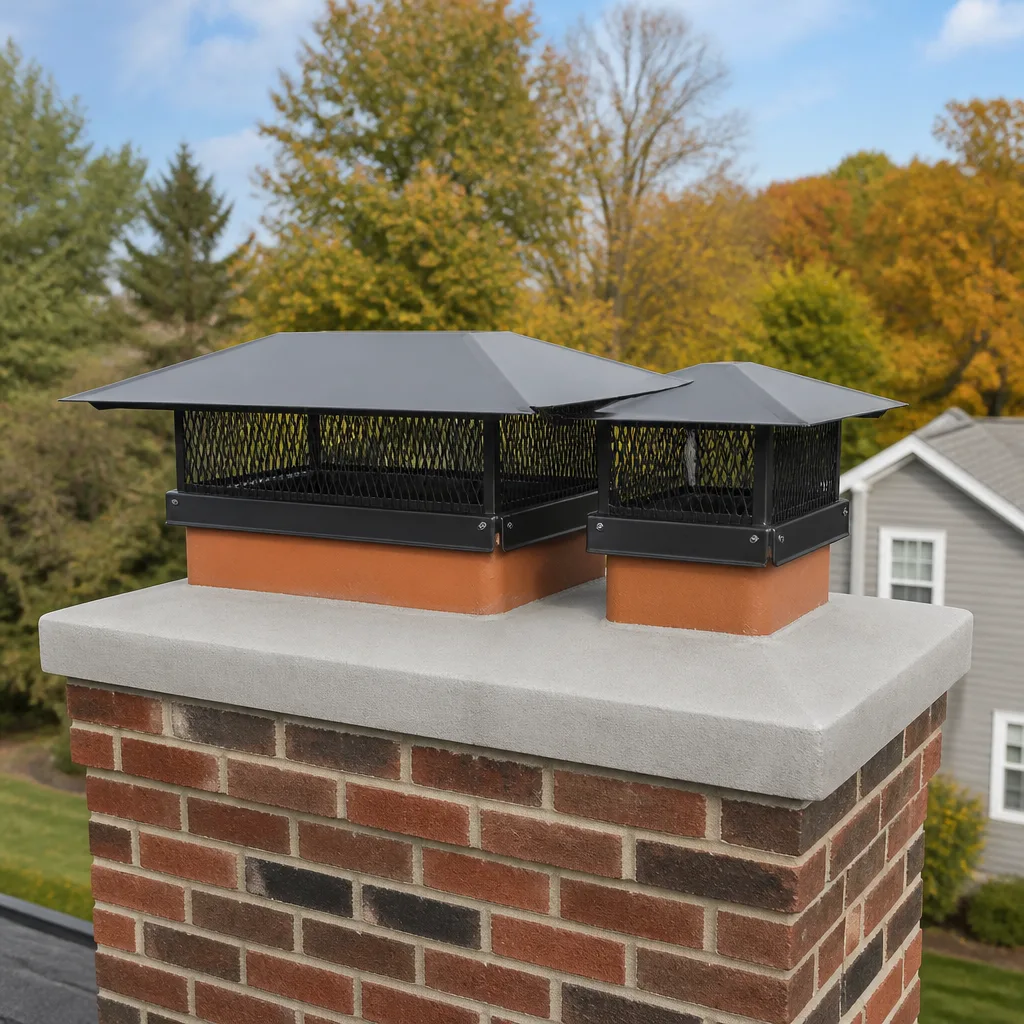
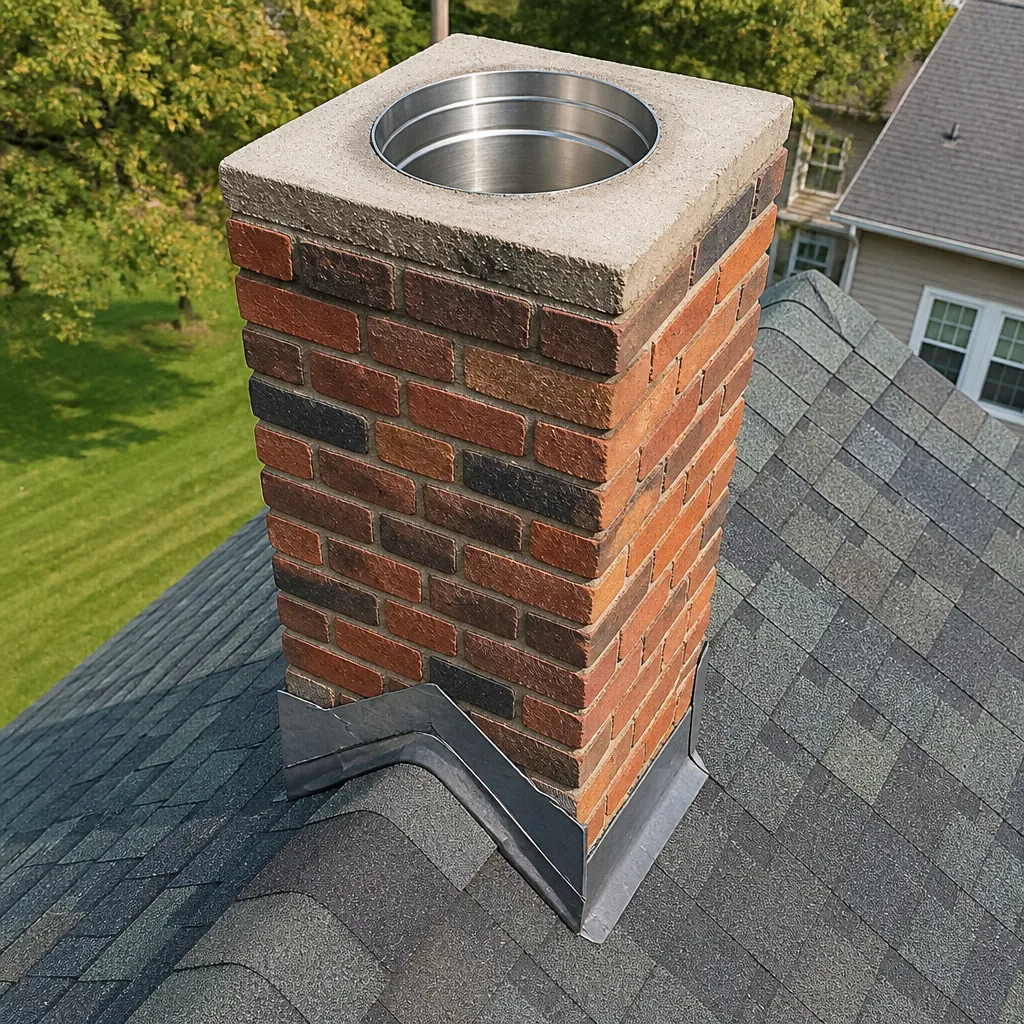
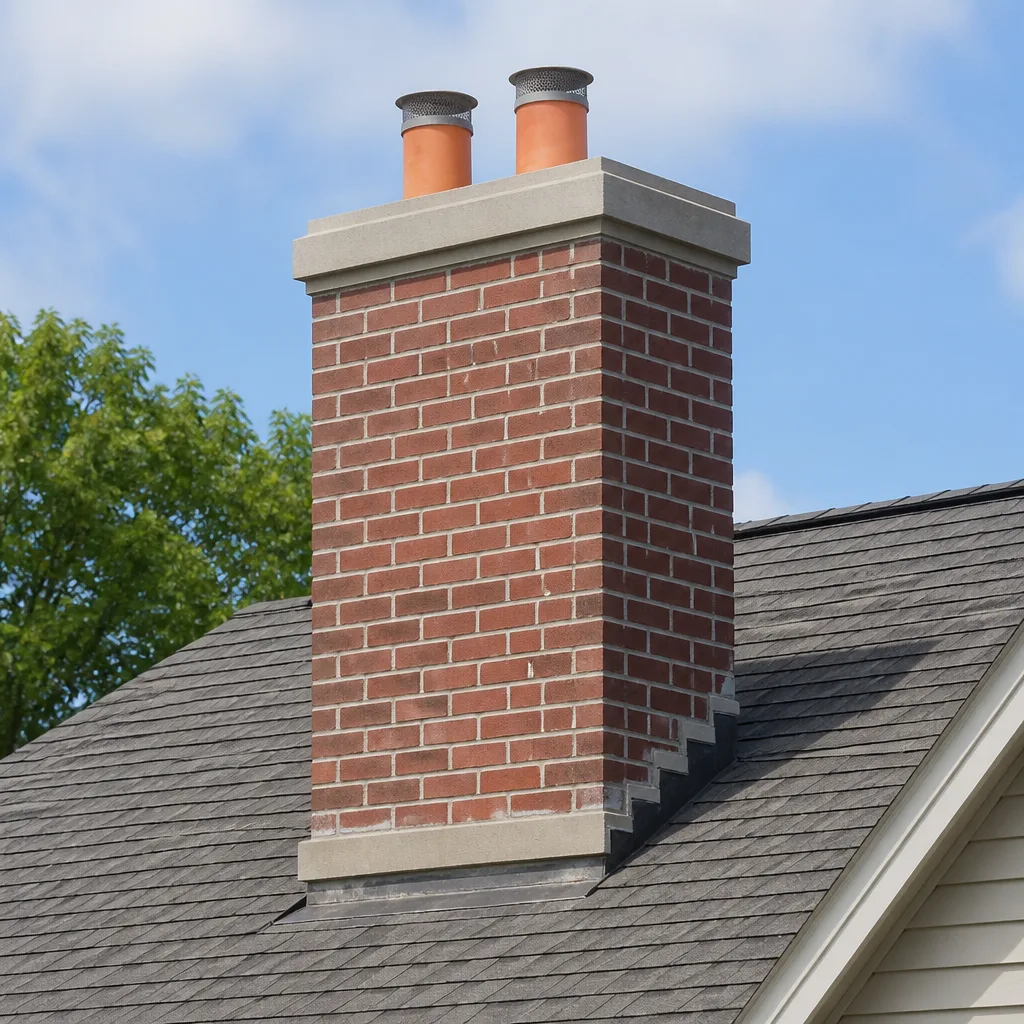
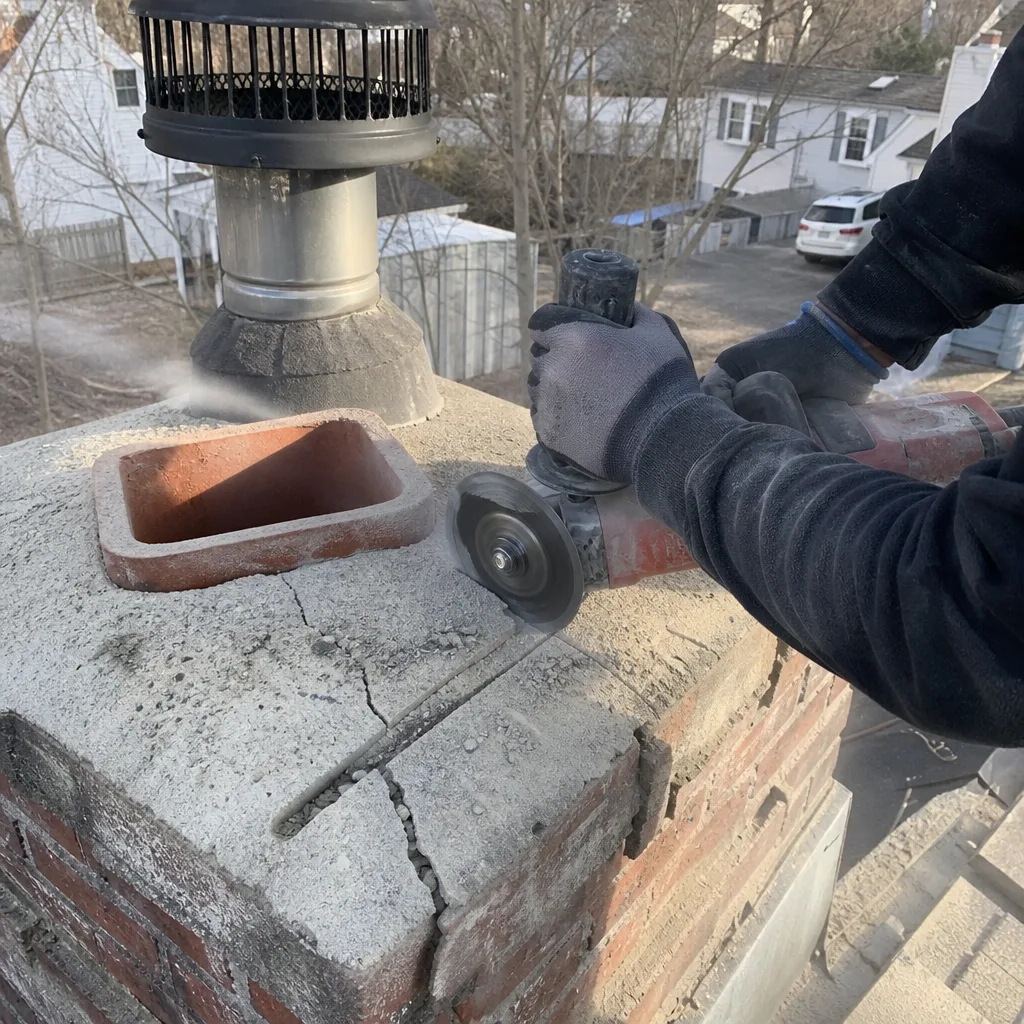
Level 1 sweep and inspection to the NFPA 211 annual standard - flue, crown, cap, and flashing checked and photographed
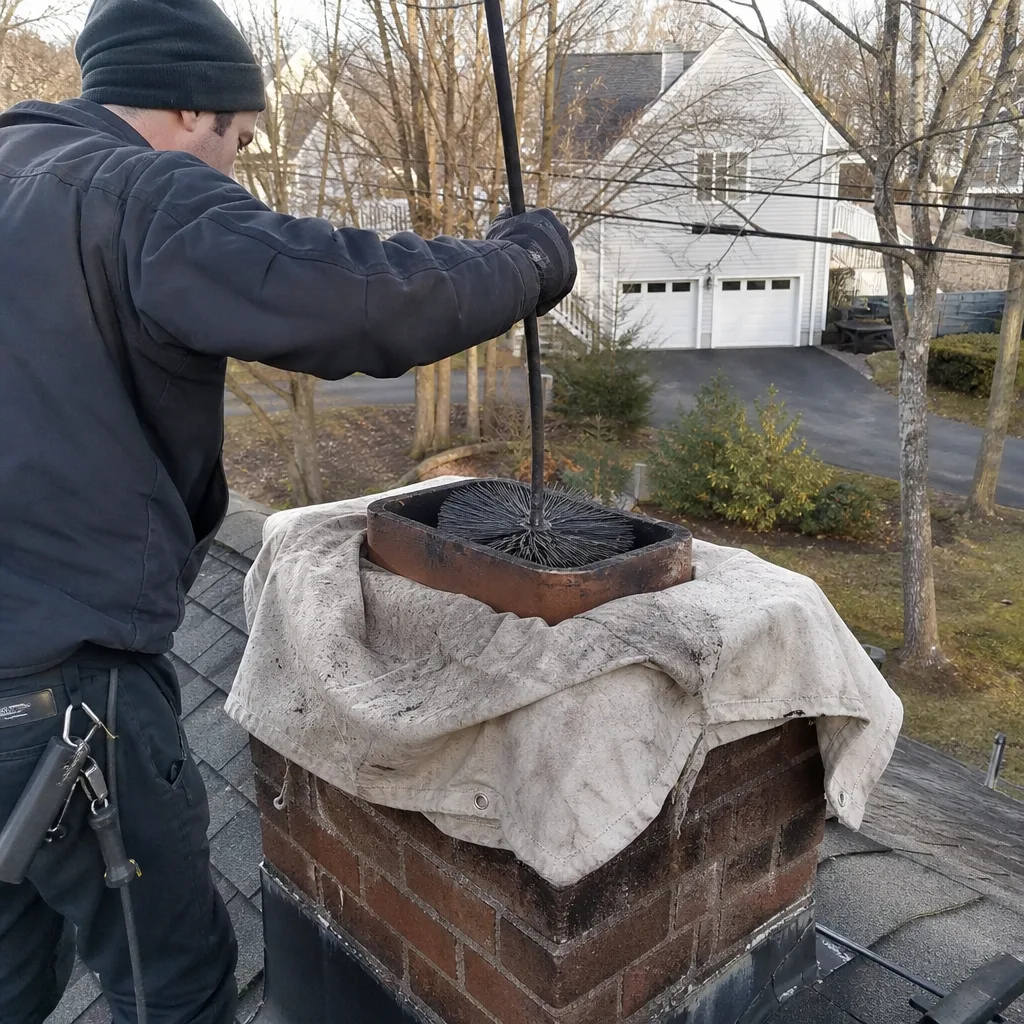
Chimney sweep logs do not sweep chimneys. They loosen some creosote - which then falls where a brush and vacuum still have to collect it.
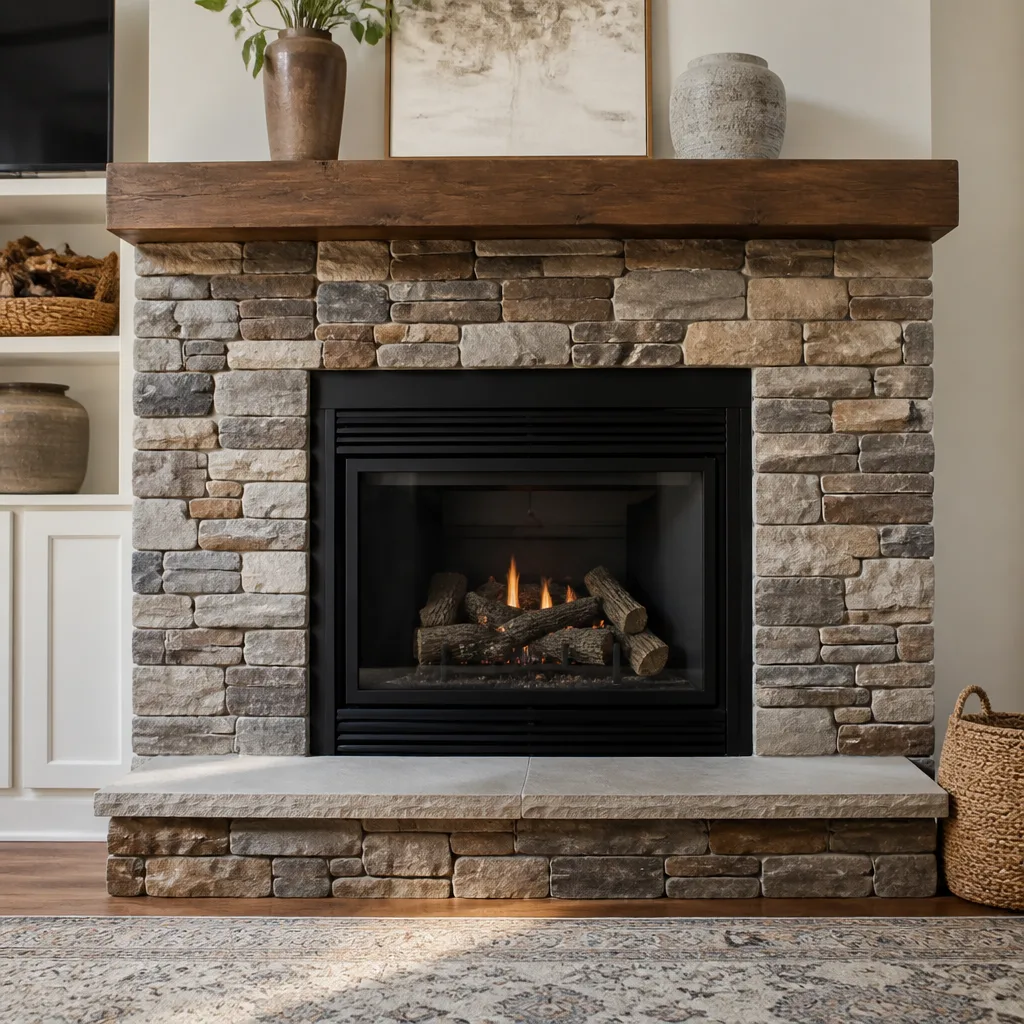
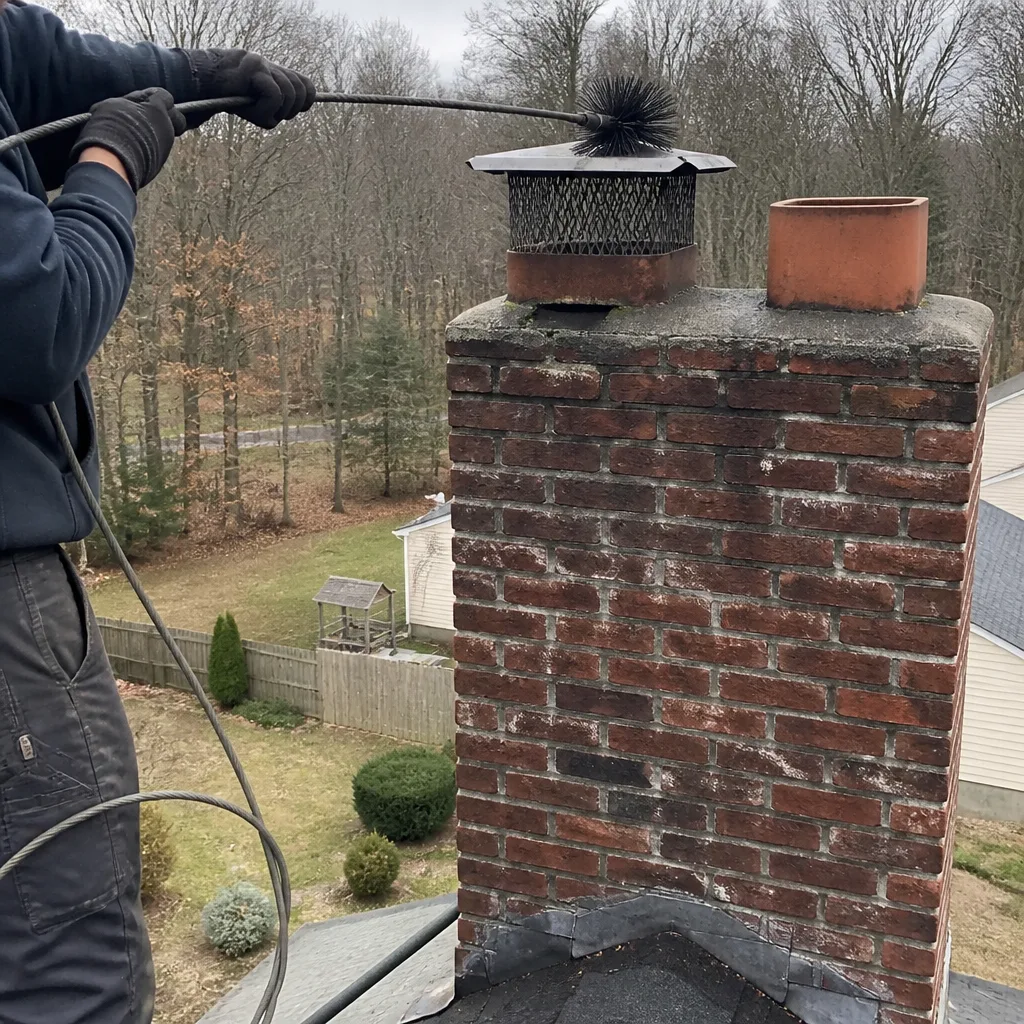 Before
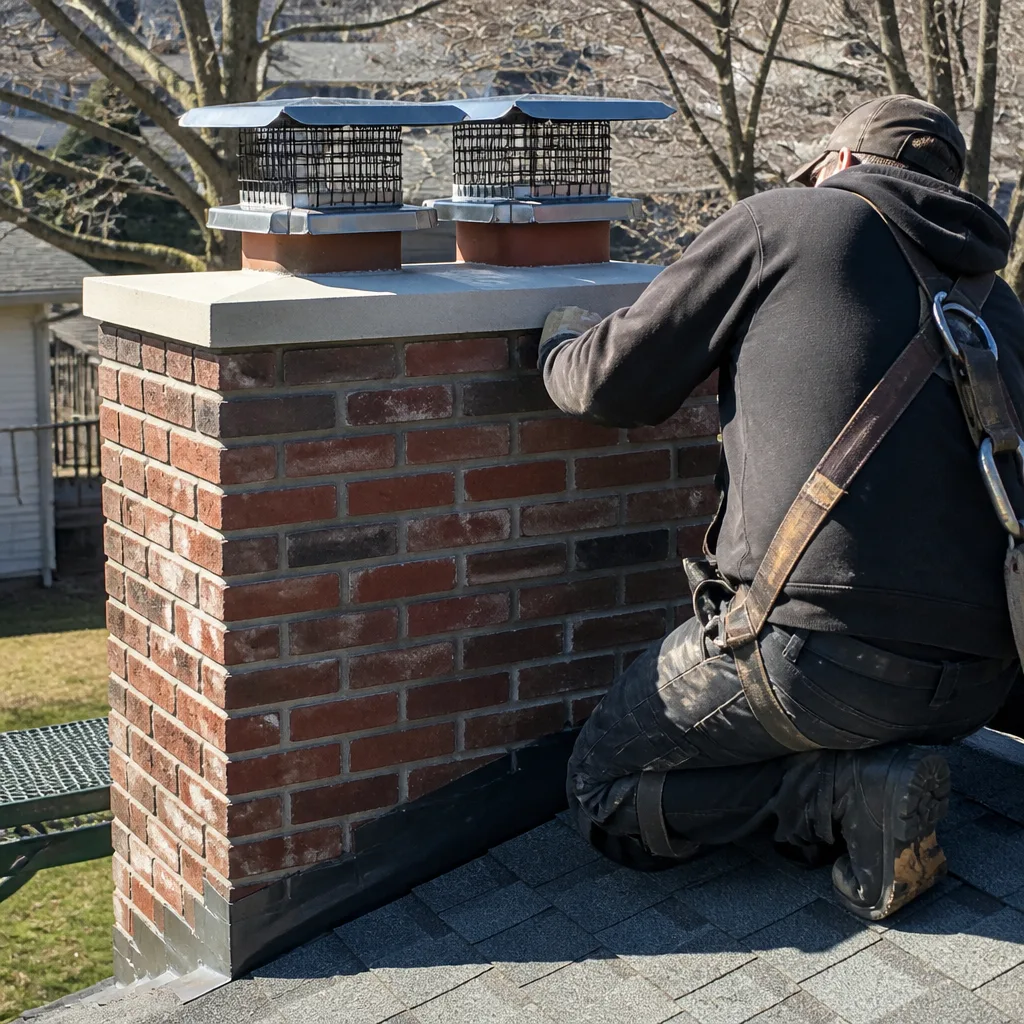 After
After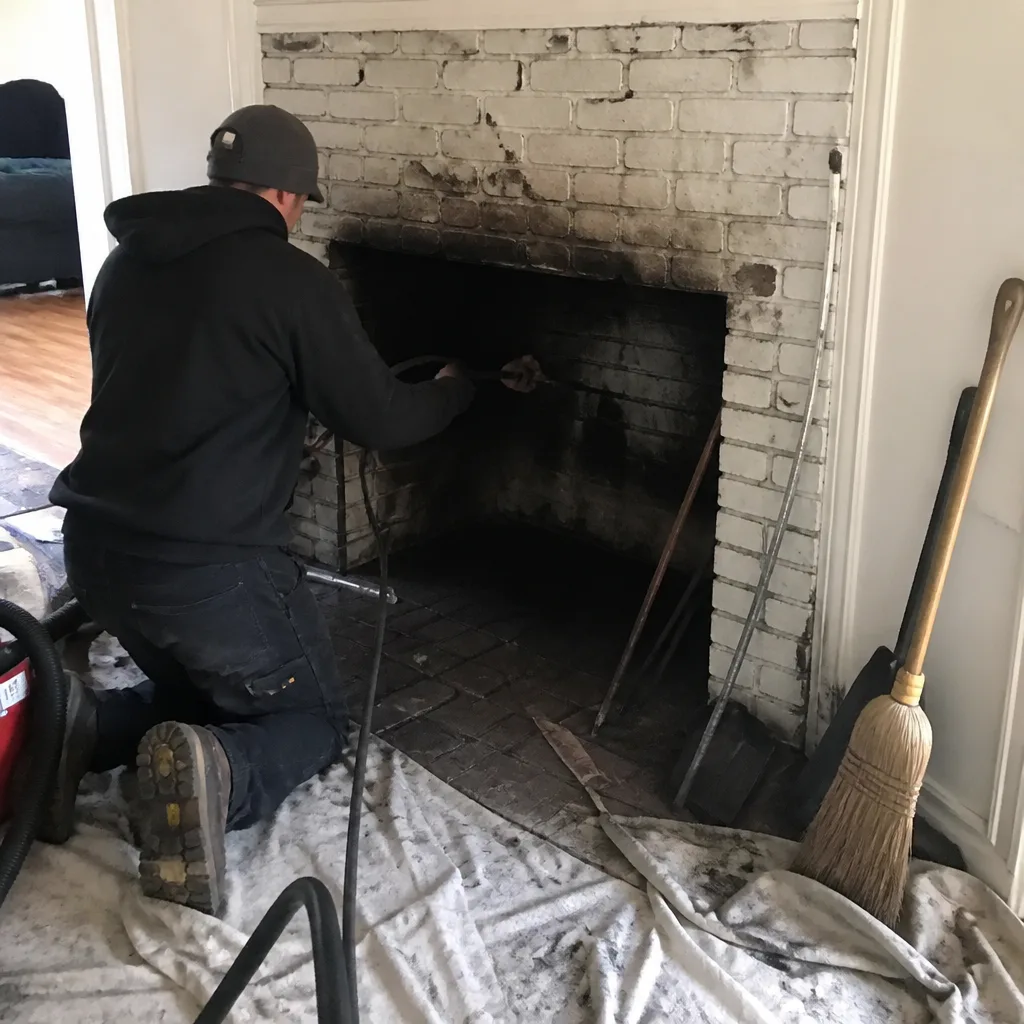 Before
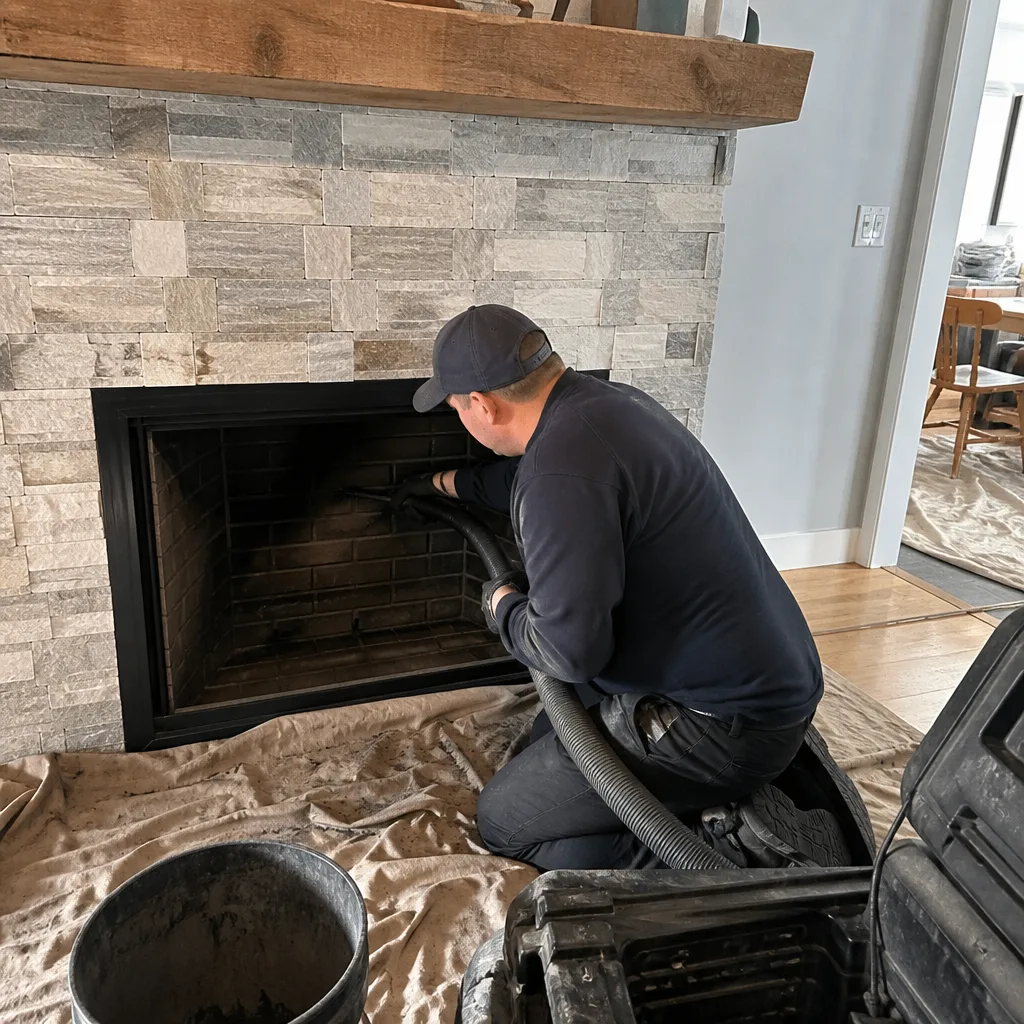 After
After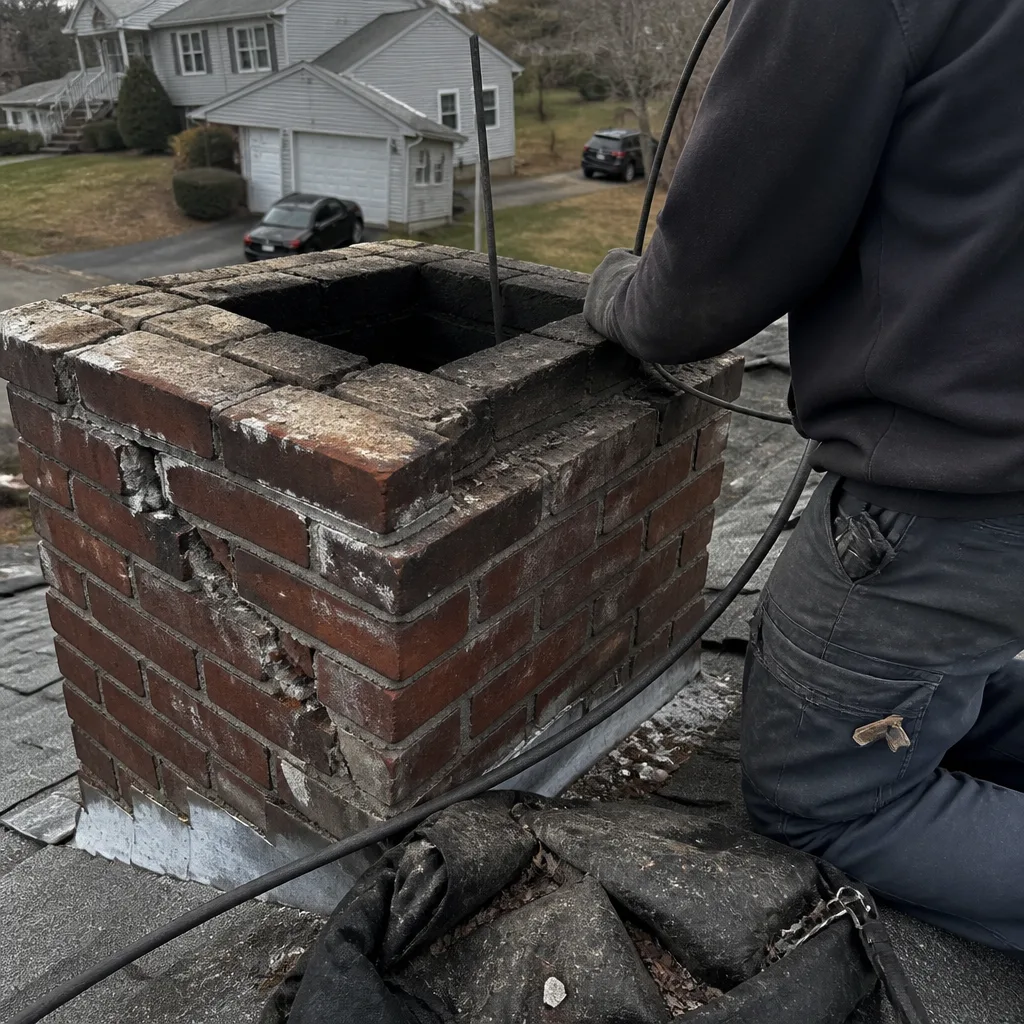 Before
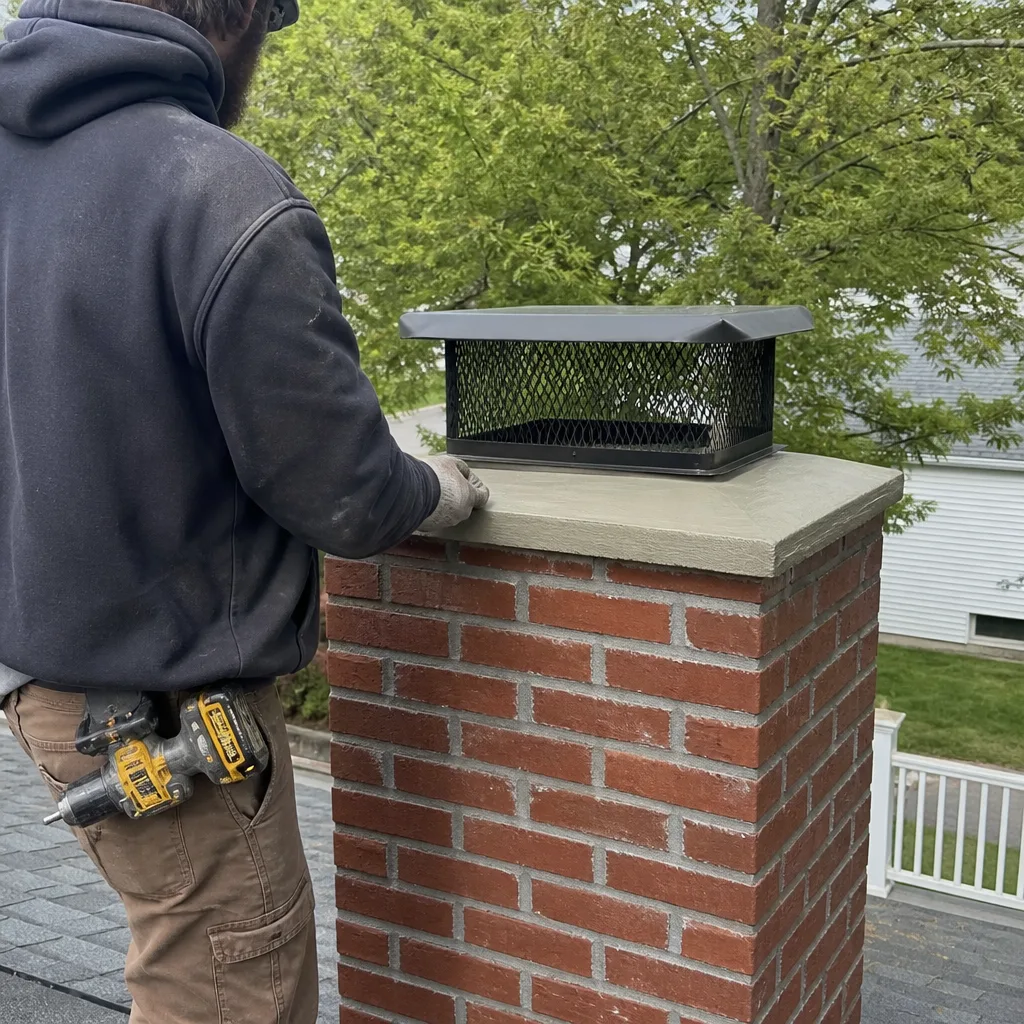 After
AfterHow to Hire a Chimney Cleaning Contractor in Leominster: A Step-by-Step Guide
In Massachusetts, anyone with a vacuum and a brush can legally advertise chimney cleaning. There is no state license for sweeps, no mandatory inspection standard, and no regulator checking whether the person on your roof has ever been on a roof before. That puts every Leominster homeowner in the position of becoming their own credentialing board. This guide walks through the exact vetting process we’ve watched work for thousands of homeowners since 2009, and you can find more guides & resources on our blog. Follow it, and you’ll end up with a short list of one or two companies actually worth calling, not a longer list of unknowns.
Quick Answer
Hiring a chimney cleaning contractor in Leominster means verifying three things before anyone arrives: CSIA certification for the technician who will actually do the work, a liability certificate naming your specific address, and a written price with scope, not a verbal estimate range. The best contractors in the Leominster area perform NFPA 211 Level 2 camera inspections as standard practice and deliver documented photo records with every job.
Table of Contents
- Why Credential Verification Falls to You in Massachusetts
- The Three Documents to Request Before Anyone Arrives
- Better Questions Than “How Long Have You Been in Business?”
- Red Flags Specific to the Leominster Market
- How to Compare Quotes When Line Items Don’t Match
- What Your Written Record at Completion Should Contain
- Common Mistakes to Avoid
- When to Call a Professional
- Frequently Asked Questions
- The Bottom Line
 Before
 After
AfterWhy Credential Verification Falls to You in Massachusetts
Massachusetts does not license chimney sweeps. The state registers home improvement contractors through the Office of Consumer Affairs and Business Regulation, but that registration covers general construction, not chimney-specific work. A contractor can pull a HIC registration, buy brushes, and start advertising “chimney cleaning” the same afternoon. No test. No inspection equipment requirement. No continuing education.
This matters more in Leominster than it might in a warmer climate. Our heating season runs from October through April, with temperatures regularly dropping below 20°F in January and February. That means fireplaces and wood stoves get heavy use, creosote builds faster, and the consequences of a missed defect, a cracked flue liner, or an improperly sealed smoke chamber are more severe. A chimney fire in January doesn’t inconvenience you. It puts your family out of the house.
The credentials that actually protect you are private, voluntary, and unregulated:
- CSIA Certified Chimney Sweep - administered by the Chimney Safety Institute of America, requires passing a written exam and agreeing to a code of ethics. Certification must be renewed every three years with continuing education.
- NFPA 211 Level 2 Inspection - the National Fire Protection Association standard that requires internal inspection of the flue with a camera or other tool when conditions of use have changed or when a property is being sold. This is not a license. It’s a standard that reputable companies adopt voluntarily.
- General liability insurance - protects you if a technician damages your roof, your interior, or themselves. The certificate should name your address, not just show a policy exists somewhere.
Without state oversight, these credentials separate professionals from opportunists. And without you asking to see them, no one checks.
The Three Documents to Request Before Anyone Arrives
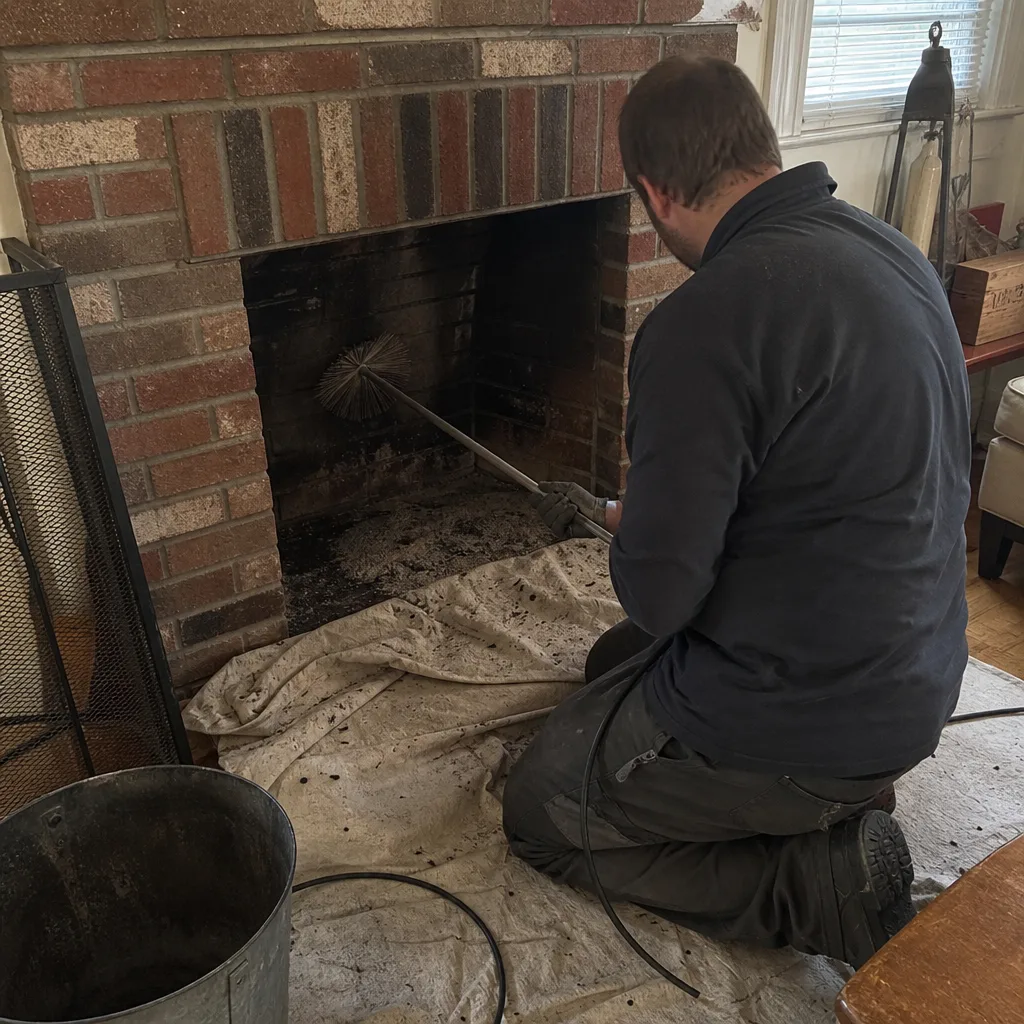
Every homeowner in Leominster should request three documents before booking. Not “will you bring” or “do you have” - request them in writing, by email, with a deadline. The response you get tells you everything about who you’re dealing with.
Document 1: Proof of CSIA Certification for the Assigned Technician
Ask for the certification number and the name of the technician who will actually perform the work. Some companies employ one certified sweep and send uncertified technicians to jobs. The certification belongs to a person, not a company. Verify it at csia.org if you want certainty.
At Level Two Chimney Leominster, every technician assigned to a job is CSIA certified. We provide the certification number and technician name when we confirm the appointment. Clause 3 of the Haven Standard, “Verified crews,” requires it.
Document 2: Certificate of Liability Insurance Naming Your Address
General liability insurance protects you if a technician falls through your roof, damages your interior, or causes water intrusion. A certificate showing “$2 million coverage” means nothing if it doesn’t name your specific property. Request a certificate of insurance with your address listed as the certificate holder. Any legitimate contractor can produce this in 24-48 hours through their insurance agent.
Be specific about what you’re asking for. “Are you insured?” gets you a yes. “Please send a certificate naming 14 Maple Street, Leominster, MA as certificate holder” gets you a document you can verify.
Document 3: A Written Price, Not an Estimate Range
This is where most Leominster homeowners get tripped up. An “estimate” of $150-$400 is not a price. It’s a range that guarantees you’ll pay the top number or more once the technician is in your home and finds “additional problems.”
A written price contains:
- The exact scope of work (what will be cleaned, inspected, or repaired)
- The flat rate or line-item price for each element
- What happens if conditions differ from what was described
- A warranty or guarantee in writing
Clause 1 of the Haven Standard, “Have it in writing,” requires a written price, written scope, and written warranty before any work begins. Not after the technician arrives. Not after the brush goes up. Before. This practice has been standard at Level Two Chimney Co. since 2009, and it became the model for the entire Haven Standard.
If a contractor won’t commit to a written price without seeing the chimney first, that’s reasonable for repair work. For a standard sweep and inspection, it isn’t. The scope is known. The time required is known. The price should be known too.
Better Questions Than “How Long Have You Been in Business?”
Longevity impresses some homeowners. It shouldn’t, at least not by itself. A company can do substandard work for twenty years, outlast competitors through low pricing, and accumulate “experience” that consists of repeating the same mistakes. The questions that reveal competence are specific, technical, and slightly uncomfortable to ask. That’s the point.
Question 1: “Do you carry a camera on every job, and will I receive the footage?”
Camera inspection of the flue liner is the only way to verify the condition of the interior surface. A flashlight look from the top or bottom misses cracks, gaps, and deterioration hidden behind bends or in the smoke chamber. NFPA 211 Level 2 requires camera inspection when conditions of use have changed or when a property is being transferred.
The follow-up matters: “Will I receive a copy of the footage or photos?” Some companies camera-inspect but don’t document. The homeowner sees a screen for thirty seconds and receives nothing. Clause 4 of the Haven Standard requires a documented photo record on every visit, archived and available to the homeowner. We’ve done this since 2009, before regulators or insurers asked for it.
If the answer is “we camera-inspect when we see a problem,” that’s a Level 1 inspection with a conditional upgrade. You want a company that camera-inspects as standard practice, documents what they find, and gives you the record.
Question 2: “What class of creosote did you find, and how did you determine it?”
Creosote comes in three classes. Class I is soot, removable with standard brushing. Class II is tar-like and requires more aggressive methods. Class III is glazed, hardened, and often requires chemical treatment or rotary removal. A technician who can’t classify what they found, or who calls everything “soot,” hasn’t looked carefully.
This question tests whether the company trains technicians to observe and report, or just to brush and invoice.
Question 3: “What materials do you use for liner repair or relining?”
The answer should include specific manufacturer names. We source materials through our Haven buying network from HeatShield, Gelco, Olympia Chimney, and other established suppliers. These aren’t luxury brands. They’re the manufacturers whose products carry warranties that transfer to you. A contractor who says “stainless steel liner” without naming the alloy grade or manufacturer is selling you something they bought at the lowest price.
Question 4: “What does your technician do if the inspection reveals a repair need?”
The honest answer: stops, documents, explains, and provides a separate written quote. The suspicious answer: “We can take care of it while we’re here” or “I can knock $200 off if we do it today.”
No repair should proceed without a second written price, a second scope, and your explicit authorization. Clause 1 applies to every phase of work, not just the initial booking.
Red Flags Specific to the Leominster Market
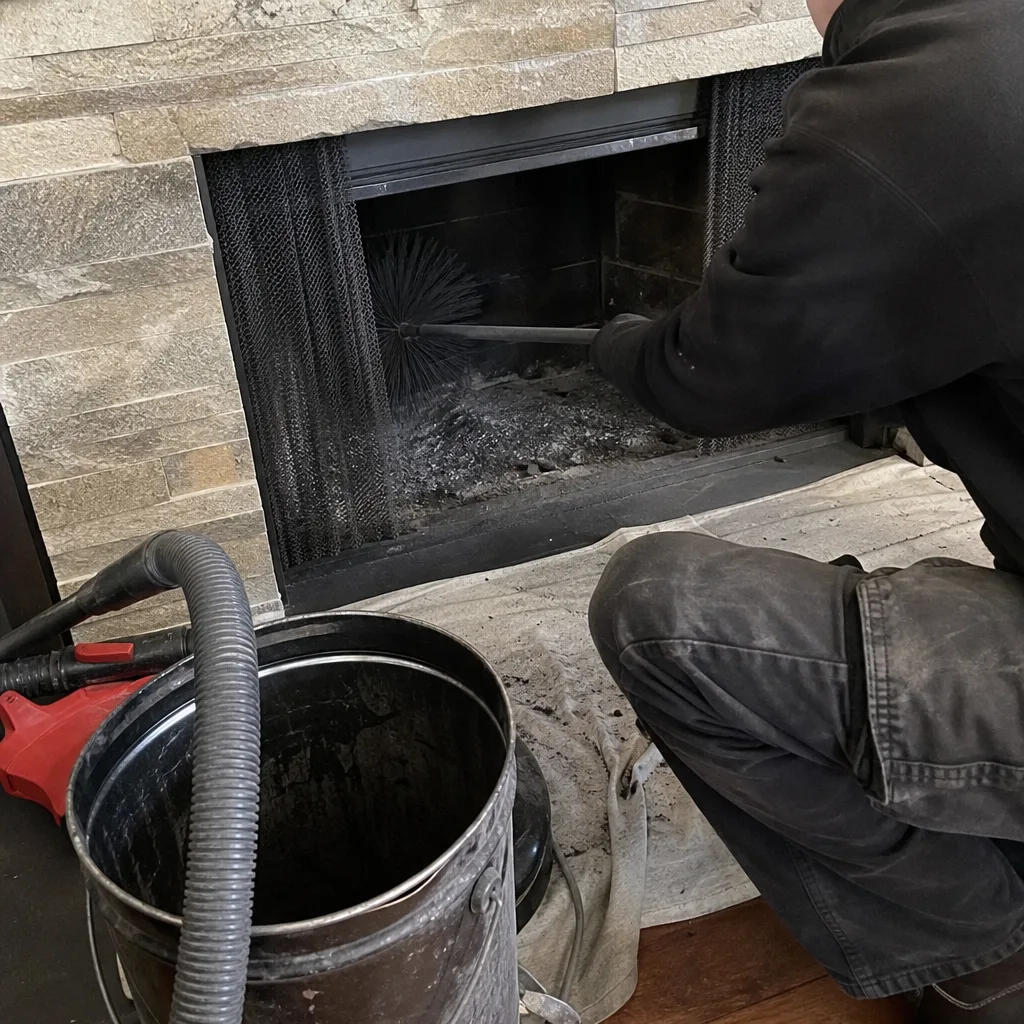
Leominster’s housing stock and climate create specific vulnerabilities that attract low-quality operators. Know what to watch for.
Seasonal-Only Operators
From September through November, companies appear with local phone numbers, generic websites, and aggressive advertising. For Seasonal Chimney Cleaning Care for Leominster: Year-Round Homeowner’s Guide, timing your booking matters. They disappear in December, leaving no warranty support, no callback capability, and no record of what was done. Check how long the company has maintained a physical presence in Worcester County. Ask for a winter appointment date, even if you’re booking in September. If they can’t schedule January, they may not exist in January.
Storm Damage Door-Knockers
After severe weather, particularly ice storms or high-wind events, canvassers appear in Leominster neighborhoods offering “free chimney inspections” and finding “storm damage” that requires immediate repair. Legitimate chimney defects from weather are rare. Water intrusion from a damaged crown or cap develops over seasons, not from a single storm. The urgent sales pitch, the claim that your insurance requires immediate action, and the offer to “handle the claim for you” are standard tactics of traveling repair scams.
Your response: thank them, close the door, and call your insurance company directly if you have actual damage. Then call a company with a verified local presence for an independent inspection.
Verbal-Only Quotes
“It’ll be around two-fifty, maybe three” is not a quote. It’s a verbal range that becomes $475 on the invoice with explanations about “what we found.” Every price, every scope change, every warranty term belongs in writing before work proceeds. This isn’t bureaucratic excess. It’s the only protection you have in an unregulated trade.
Pressure to Decide Immediately
“I can only hold this price until Friday” or “we’ve got one crew in Leominster this week” are urgency tactics, not business necessities. Quality chimney work in Leominster is scheduled, not impulse-purchased. The 365-Day Done Right Promise at Level Two Chimney Co. applies whether you book today or next month. Good work doesn’t expire.
No Physical Address or Local Verification
A Leominster phone number forwards anywhere. A Worcester County address can be a mailbox. Verify the business location through the Massachusetts Secretary of State’s corporation database, the Better Business Bureau, or a simple drive-by. Companies that resist providing a verifiable local address are often operating from another state entirely.
How to Compare Quotes When Line Items Don’t Match
Chimney contractors in Leominster use different terminology, different scope definitions, and different bundling. One company quotes “chimney sweep and Level 2 inspection” as a single line item. Another breaks out “sweep,” “camera inspection,” “photo documentation,” and “written report” separately. A third quotes “sweep” alone and treats everything else as add-on.
Here’s how to translate.
| If They Quote This | Ask Whether It Includes | What It Should Cost in Leominster |
|---|---|---|
| “Chimney sweep” | Brush cleaning of flue only, or full system including smoke chamber and firebox? Camera inspection? Photo record? | $150-$250 for brush-only; $280-$400 with camera inspection and documentation |
| “Level 2 inspection” | Camera scan of full flue length? Written report? Photo documentation? Who interprets findings? | $200-$350 as standalone; often bundled with sweep |
| “Chimney repair” | Specific scope: crown, cap, masonry, liner, or smoke chamber? Materials specified? Warranty terms? | Highly variable; require line-item breakdown |
| “Liner installation” | Stainless steel alloy grade? Manufacturer? Insulation required? Connection method? Warranty length? | $2,500-$5,500 depending on height, diameter, and access |
The rule: if two quotes differ by more than 30%, they are not quoting the same work. Find the discrepancy. It usually hides in documentation, warranty terms, or material quality.
At Chimney Cleaning & Sweep in Leominster, we provide line-item written quotes that specify manufacturer, material grade, and warranty for every repair. For sweeps, the price includes camera inspection and photo documentation as standard, not as add-ons. This eliminates the translation problem entirely.
What Your Written Record at Completion Should Contain
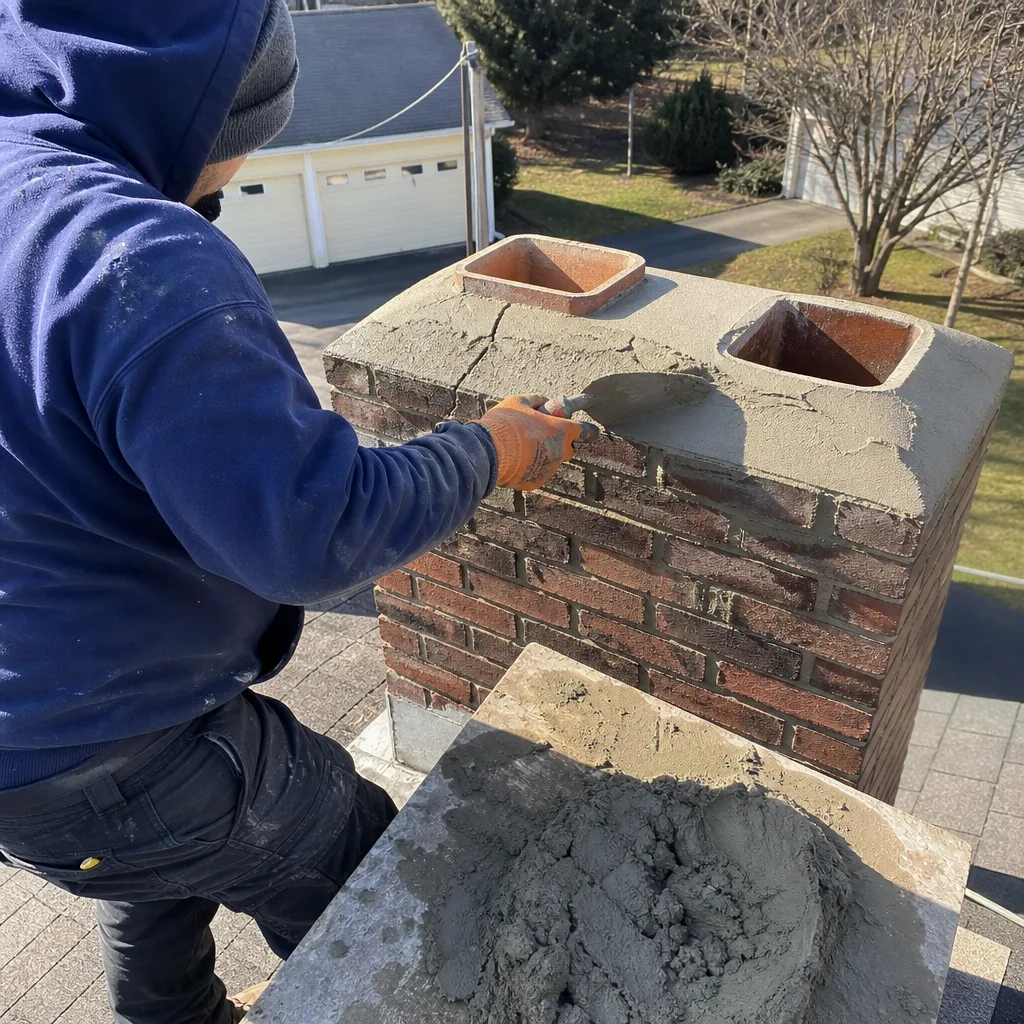
The job isn’t done when the truck leaves. The job is done when you hold documentation that proves what was found, what was done, and what was promised. This document matters when you sell your house, when you file an insurance claim, and when you need warranty service two years later.
Your written record should include:
- Pre-work photos and camera footage showing the condition of the flue liner, smoke chamber, firebox, damper, and exterior crown or cap. These establish baseline condition and prove that inspection occurred.
- Written scope of work performed, signed or stamped by the technician, with date and time. Not a carbon-copy invoice with a single line. A description of what was cleaned, inspected, tested, or repaired.
- Post-work photos showing completed condition, particularly for repairs, liner installations, or crown rebuilds.
- Written warranty with terms, duration, and conditions. The 365-Day Done Right Promise at Level Two Chimney Co. is printed on every job record. It states simply: if it’s not done right, we make it right.
- Technician identification: name, certification number, and company license information. This creates accountability and proves who was in your home.
Clause 4 of the Haven Standard requires this documentation on every visit. We’ve maintained this archive practice since 2009, producing over 38,000 documented records. When a Leominster homeowner calls back three years later with a question, we pull the file. When they sell their house and the buyer’s inspector asks for service history, we provide it. When an insurance claim requires proof of maintenance, the documentation exists.
Companies that deliver only a payment receipt are asking you to trust their memory. Don’t.
Common Mistakes to Avoid
- Booking based on lowest price alone. A $129 “chimney special” in Leominster typically excludes camera inspection, excludes documentation, and funds itself through upsell pressure once the technician arrives. The real cost usually exceeds the properly quoted price from a reputable contractor.
- Assuming all “inspections” are equal. A flashlight look from the fireplace opening is not a Level 2 inspection. A camera scan without documentation is not a Level 2 inspection. Ask specifically what standard is being followed and what tools will be used.
- Neglecting the smoke chamber. The smoke chamber, the area above the firebox and below the flue, is where many chimney fires start. It’s also the area least likely to be properly cleaned by low-cost operators because access is awkward and time-consuming. Confirm it’s included in the scope.
- Accepting verbal warranty promises. “We’re here if you need us” is not a warranty. A printed warranty with terms, duration, and claim procedure is. The 365-Day Done Right Promise appears on every Level Two Chimney Co. job record in writing.
- Waiting until burning season to book. Leominster’s best contractors schedule heavily from September through November. Booking in spring or summer secures better appointment availability and often better pricing. It also allows time for any needed repairs before the first fire.
- Failing to verify insurance annually. A contractor insured last year may have lapsed coverage this year. Request a current certificate for each significant job, not just the first booking.
- Ignoring neighborhood-specific risks. Homes in Leominster’s older neighborhoods, particularly those built before 1950 with original masonry, often have unlined flues or deteriorated parging in the smoke chamber. These conditions require more thorough inspection, not less. A contractor who treats every chimney the same hasn’t looked carefully.
When to Call a Professional
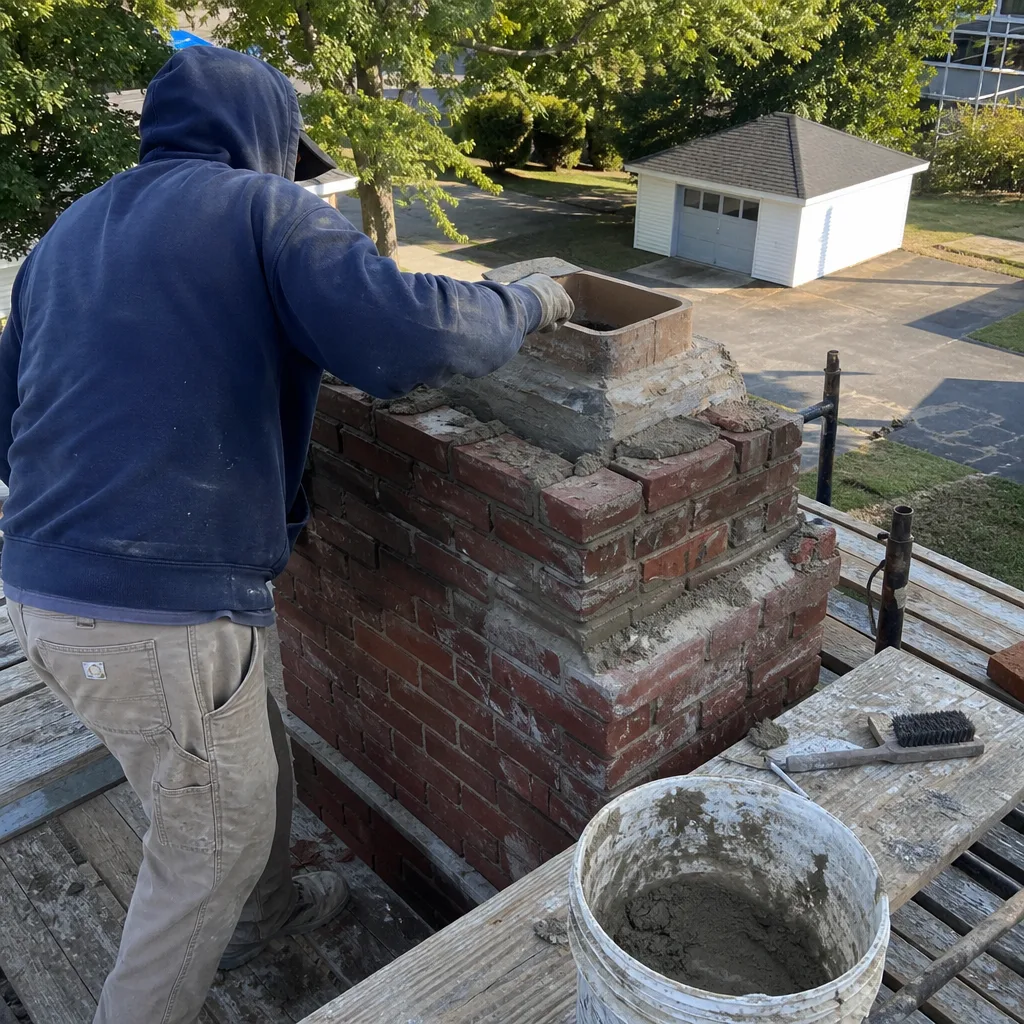
Some conditions require immediate professional inspection, regardless of your regular maintenance schedule. Call a certified chimney contractor if you notice any of the following:
- Smoke entering the room during fireplace use, indicating drafting problems or blockage
- Visible cracks in the exterior masonry, crown, or chimney cap, allowing water intrusion
- A strong, unusual odor from the fireplace, particularly in humid weather, suggesting creosote accumulation or animal intrusion
- White staining (efflorescence) on exterior brick, indicating moisture migration through the masonry
- Debris or animal nesting material visible from the fireplace or cleanout
- Any chimney fire event, however brief, characterized by loud cracking, dense smoke, or a rumbling sound
Carbon monoxide risk is real and specific to improperly vented systems. If your CO detector alarms, evacuate and call emergency services before calling a chimney contractor. After clearance, schedule inspection before resuming use.
Chimney Repair in Leominster and sweep services from Level Two Chimney Leominster include NFPA 211 Level 2 camera inspection, documented photo records, and written pricing before any work begins. We offer free estimates in Leominster. Call (978) 481-2900 to schedule.
Frequently Asked Questions
A proper chimney sweep with NFPA 211 Level 2 camera inspection and documented photo record typically costs $280-$400 in the Leominster market. See our Chimney Cleaning Cost Breakdown: The Leominster Homeowner’s Reference for 2026 for detailed pricing factors. Brush-only cleaning without inspection or documentation runs $150-$250 but leaves you without verified knowledge of your chimney’s condition. Call (978) 481-2900 for an exact quote - estimates are free, and our written price includes camera inspection and documentation as standard.
You need a new flue liner if camera inspection reveals cracks, gaps, or deterioration that compromise the liner’s ability to contain heat and combustion byproducts. In Leominster’s older housing stock, particularly pre-1950 homes, unlined or deteriorated clay flues are common. We never recommend liner replacement without camera evidence you can see for yourself, and we’ll tell you plainly when conditions allow safe continued use with monitoring. Our Free Second Opinion on any written estimate applies to liner recommendations too.
The National Fire Protection Association recommends annual inspection for all chimneys, and cleaning as needed based on creosote accumulation. In Leominster’s climate, with heavy heating-season use from October through April, most wood-burning chimneys need sweeping annually. Gas fireplaces and inserts typically need less frequent cleaning but still require annual inspection of the venting system. The specific interval depends on fuel type, burning habits, and what the camera shows.
Skipped maintenance leads to creosote accumulation, which increases chimney fire risk, and undetected liner deterioration, which increases carbon monoxide intrusion risk. In Leominster’s cold climate, where heating systems run continuously for months, these risks compound. A chimney fire can reach 2,000°F and damage the chimney structure, adjacent framing, or roof. Carbon monoxide is odorless and potentially fatal. Neither risk is theoretical - both are documented outcomes of neglected maintenance in Massachusetts homes. Call (978) 481-2900 to schedule before burning season.
A chimney sweep removes combustible deposits from the flue and firebox. A chimney inspection evaluates the system’s condition, including structural integrity, liner condition, and clearances to combustibles. NFPA 211 defines three inspection levels. Level 1 is visual, without tools. Level 2 requires camera inspection of the flue interior. Level 3 involves dismantling components when hidden hazards are suspected. At Level Two Chimney Co., every sweep includes Level 2 inspection and photo documentation as standard practice, not as an upgrade.
Homeowners can brush accessible soot from the firebox and lower flue, but complete flue cleaning, smoke chamber access, and camera inspection require equipment and training most homeowners don’t have. More importantly, you cannot evaluate what you cannot see. The critical defects - cracked liners, deteriorated mortar joints, hidden blockages - occur in areas only a camera reaches. For safety and for documentation that protects your insurance coverage and property value, professional inspection is the sound choice. We’re happy to explain exactly what we found and what it means, with the photos to show you.
The Bottom Line
Hiring a chimney contractor in Leominster means becoming your own regulator in an unregulated trade. The three documents - CSIA certification, liability insurance naming your address, and a written price with scope - separate professionals from operators. The right questions about camera equipment, creosote classification, and materials reveal who trains technicians and who hires brush-holders. The written record at completion protects your investment, your safety, and your property value for years.
Quality chimney work is specific, documented, and accountable. It doesn’t hide behind verbal promises or urgency pressure. It names what was found, what it costs, and what happens if something goes wrong. That’s the standard we’ve worked to since 2009, and it’s the standard every Leominster homeowner should demand.
Ready to schedule? Fireplace Services in Leominster from Level Two Chimney Leominster include NFPA 211 Level 2 camera inspection, documented photo records, and our written price before any work begins. Call (978) 481-2900 for a free estimate. Live phone support is available 24 hours a day, 7 days a week.
Written by Corrine Halstead, Owner at Level Two Chimney Leominster, serving Leominster since 2009.