
Last updated September 22, 2026
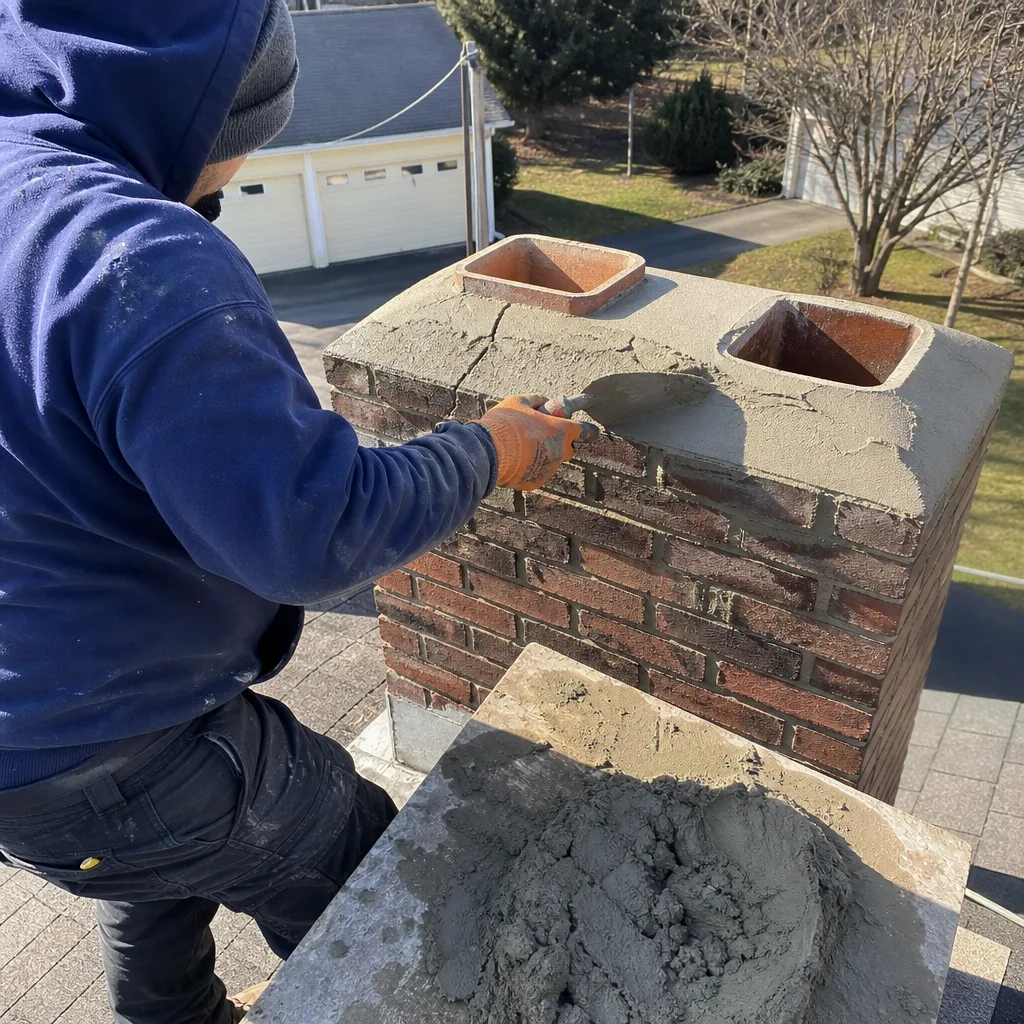
Level 1 sweep and inspection to the NFPA 211 annual standard - flue, crown, cap, and flashing checked and photographed
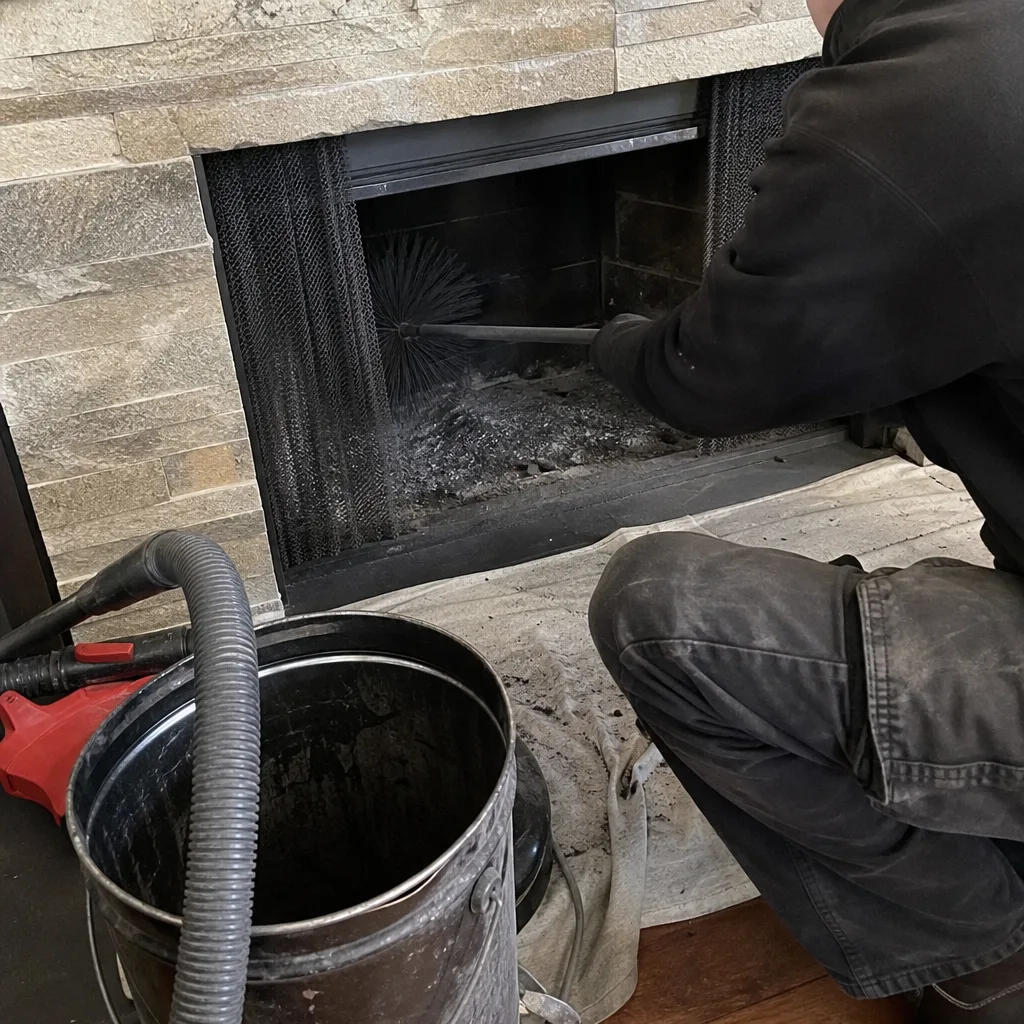
Chimney sweep logs do not sweep chimneys. They loosen some creosote - which then falls where a brush and vacuum still have to collect it.
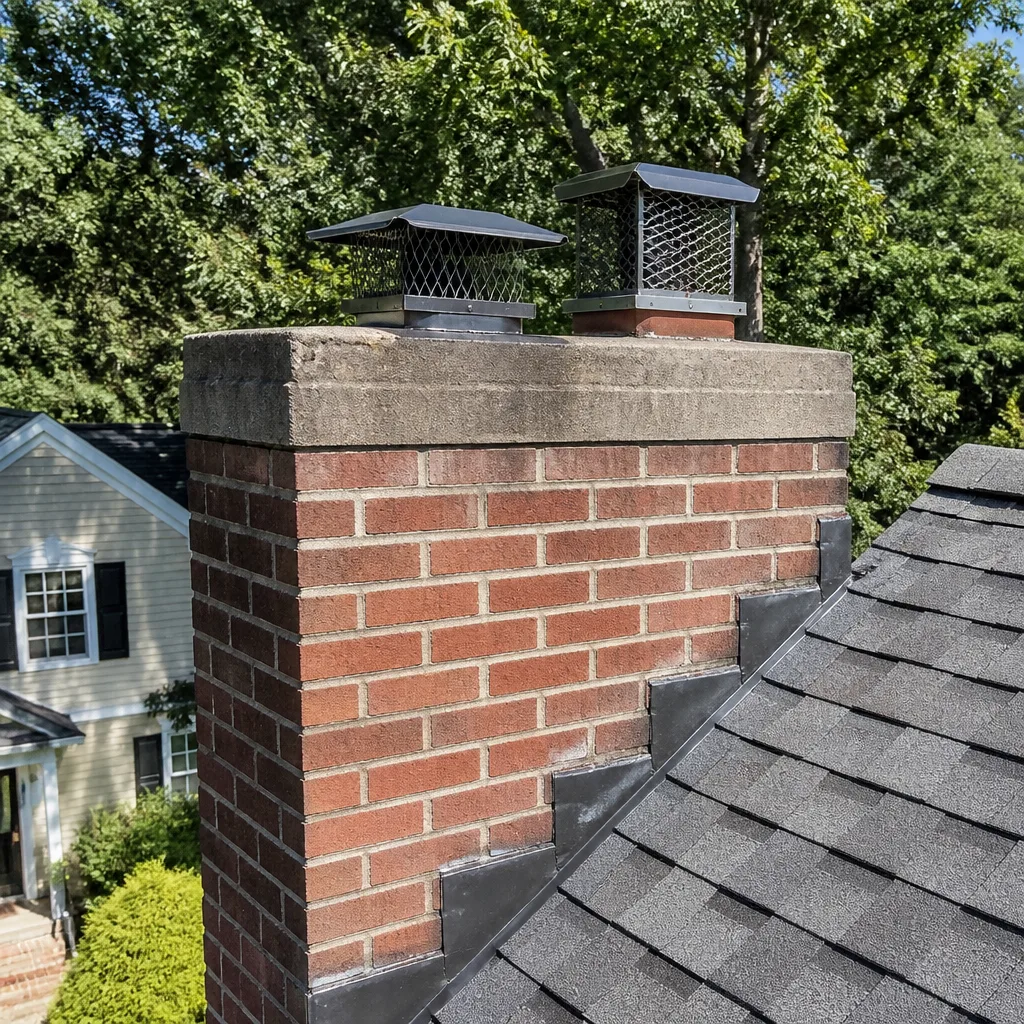
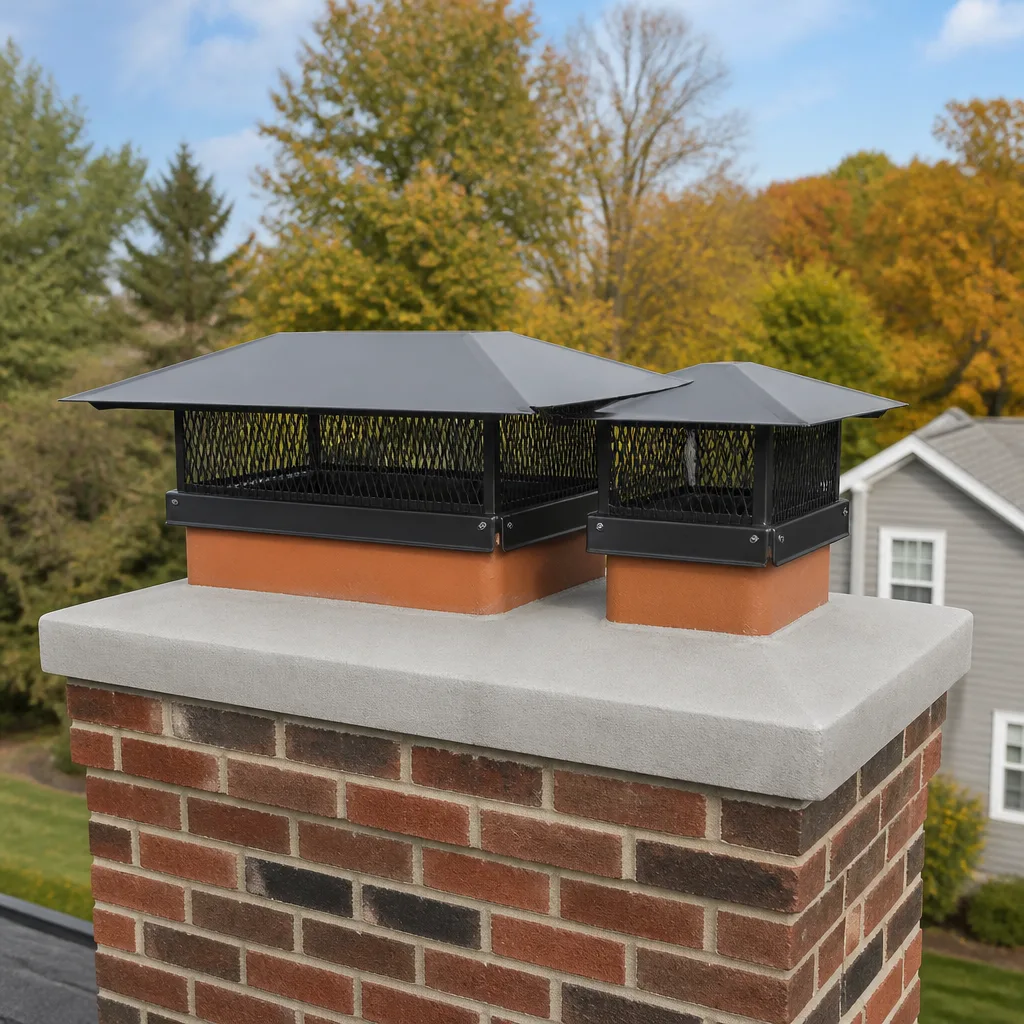
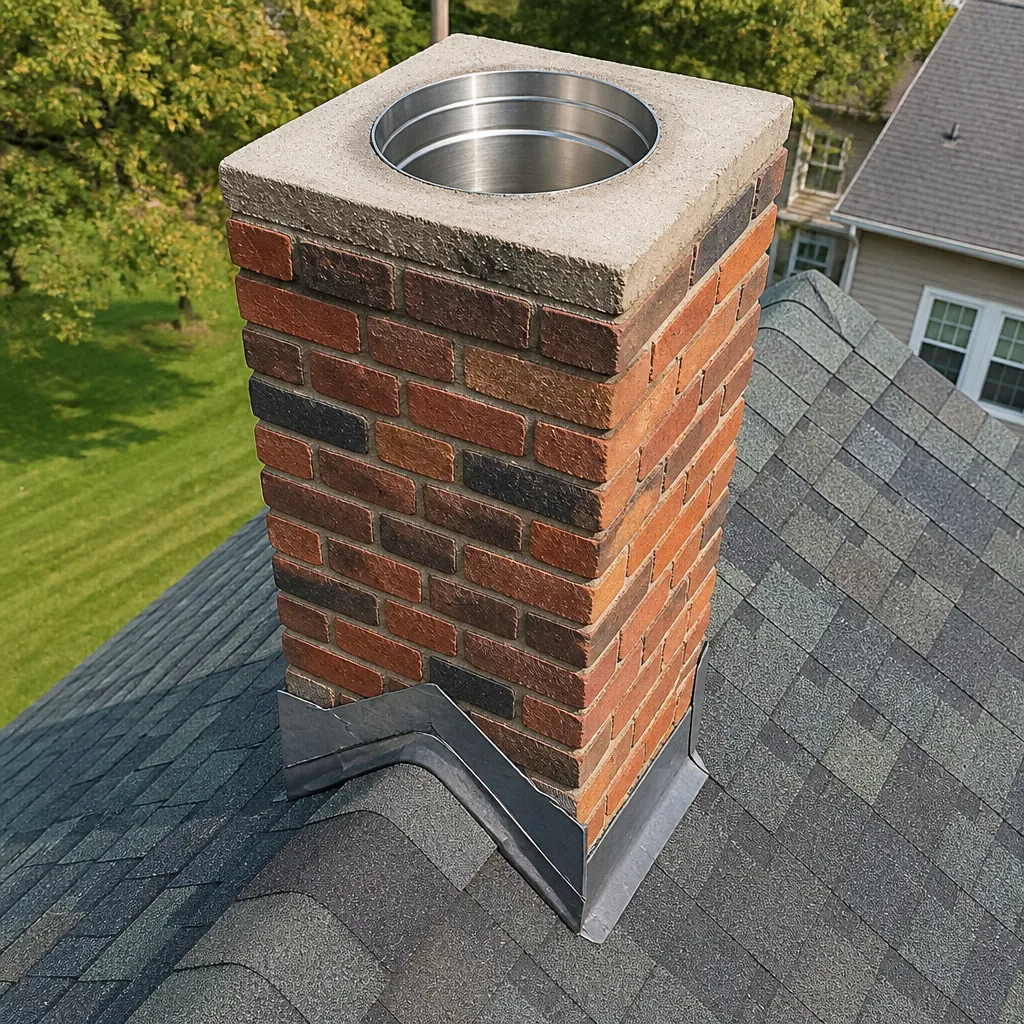
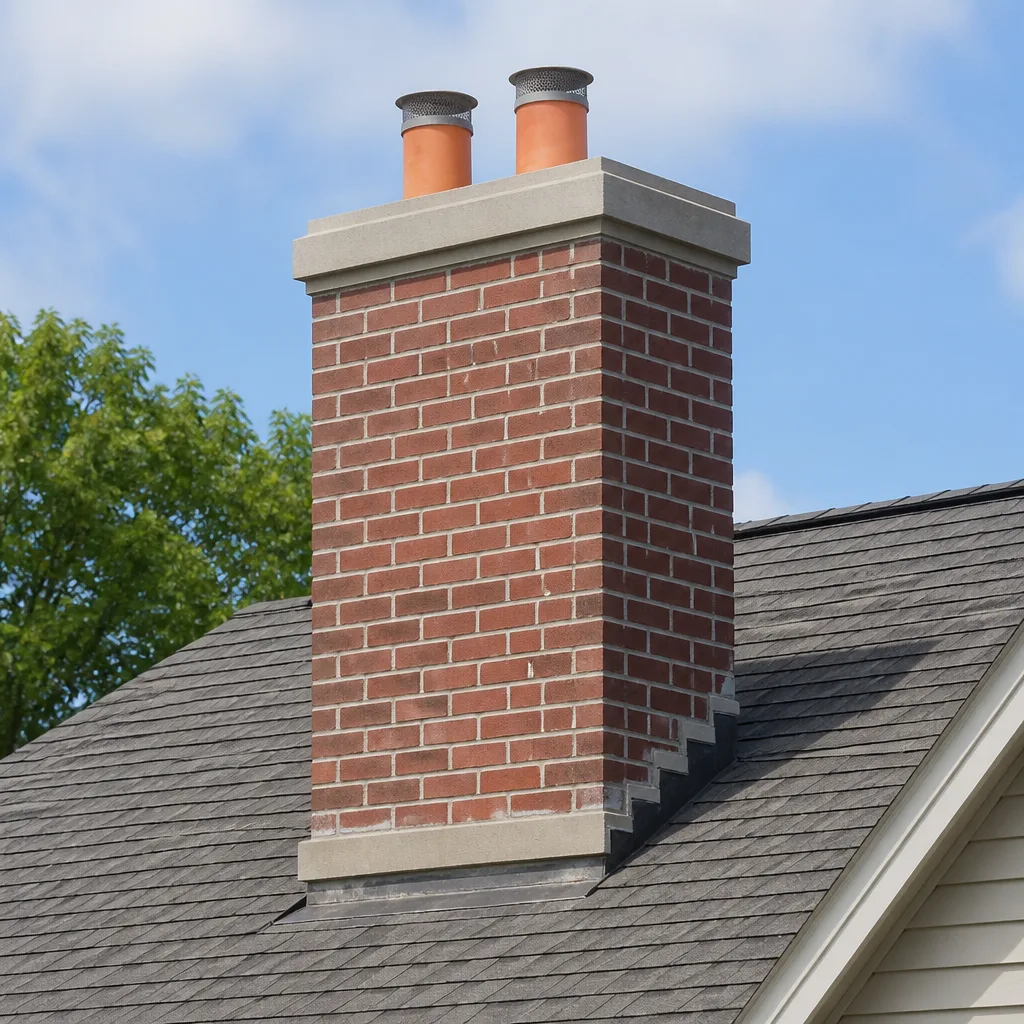
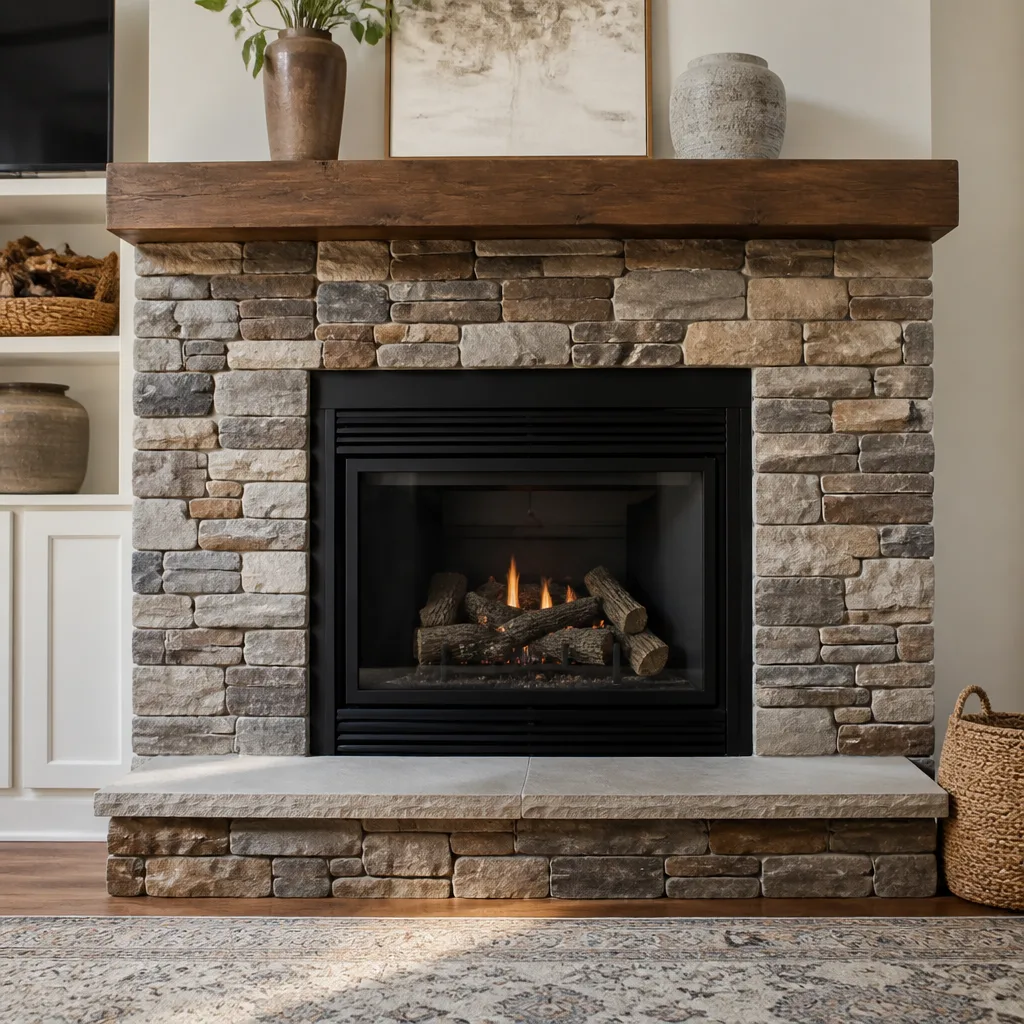
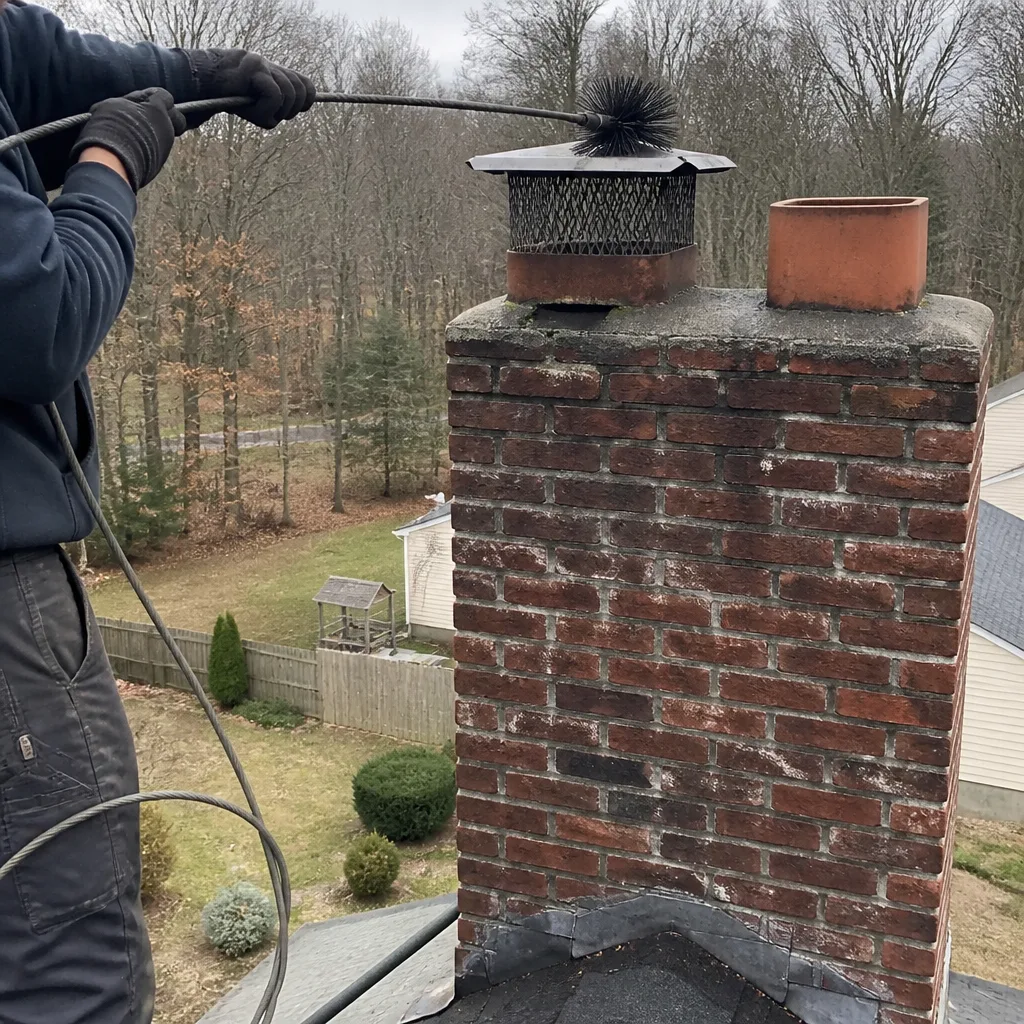 Before
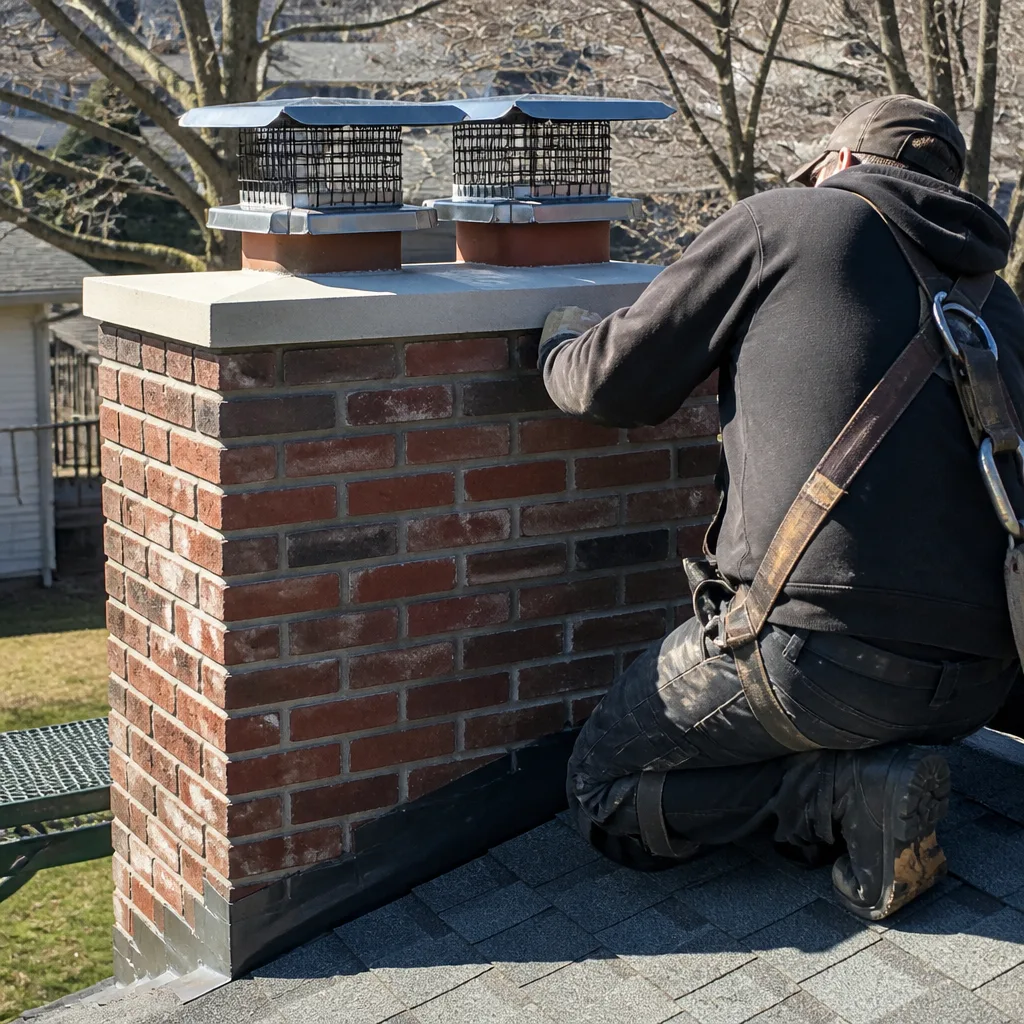 After
After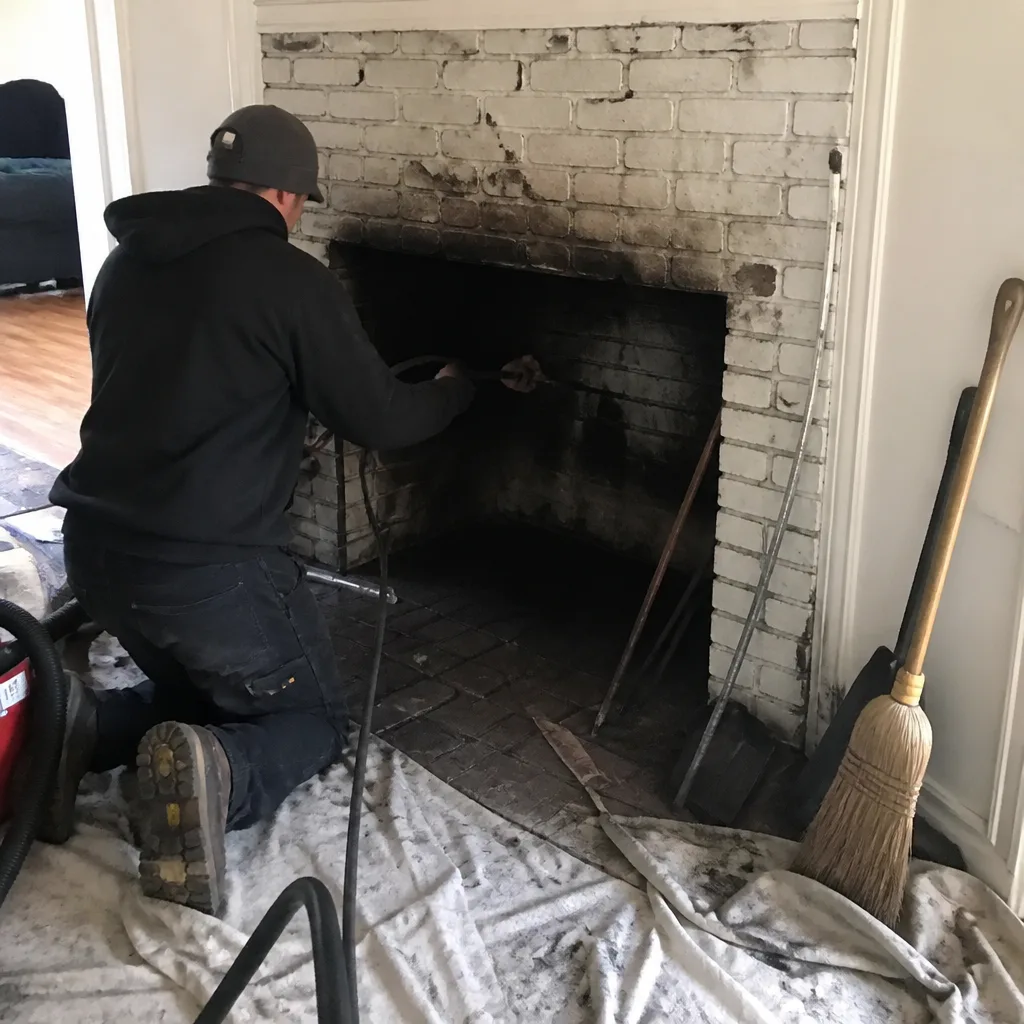 Before
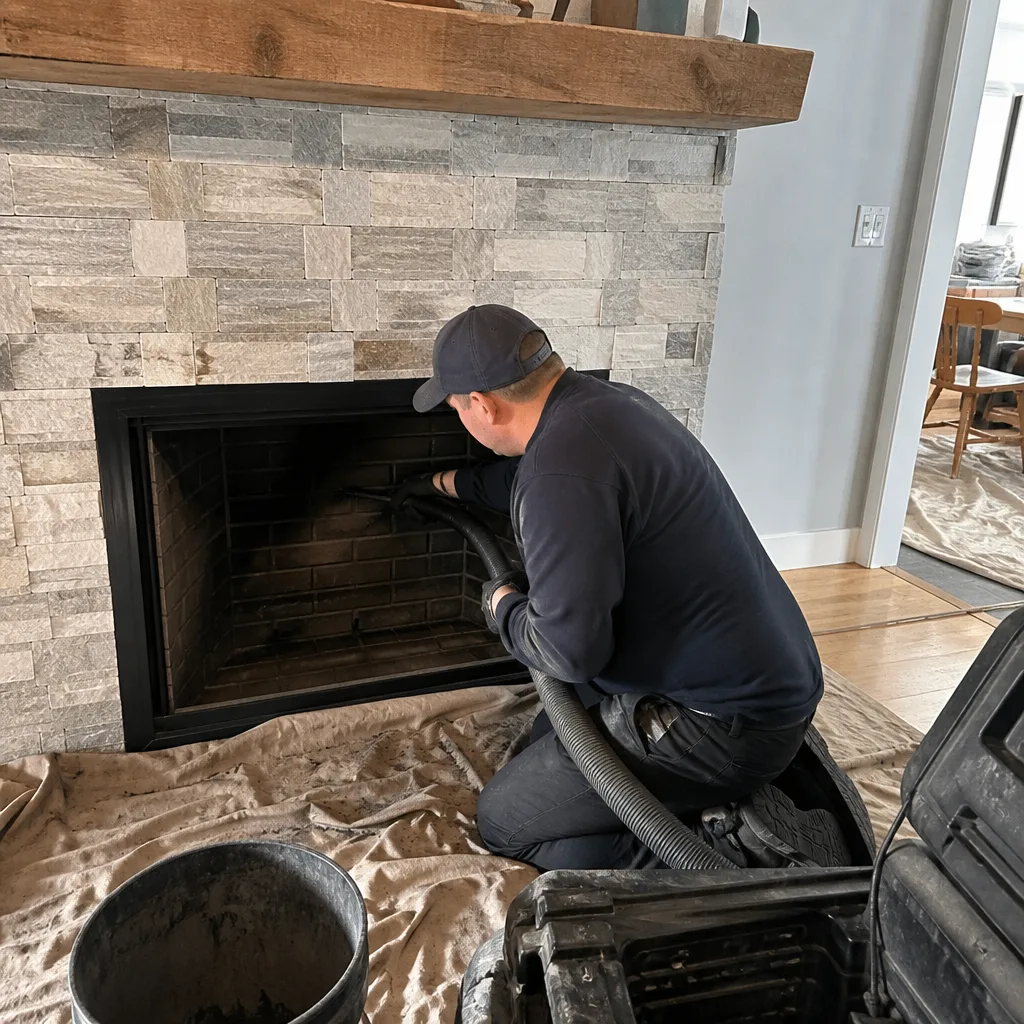 After
After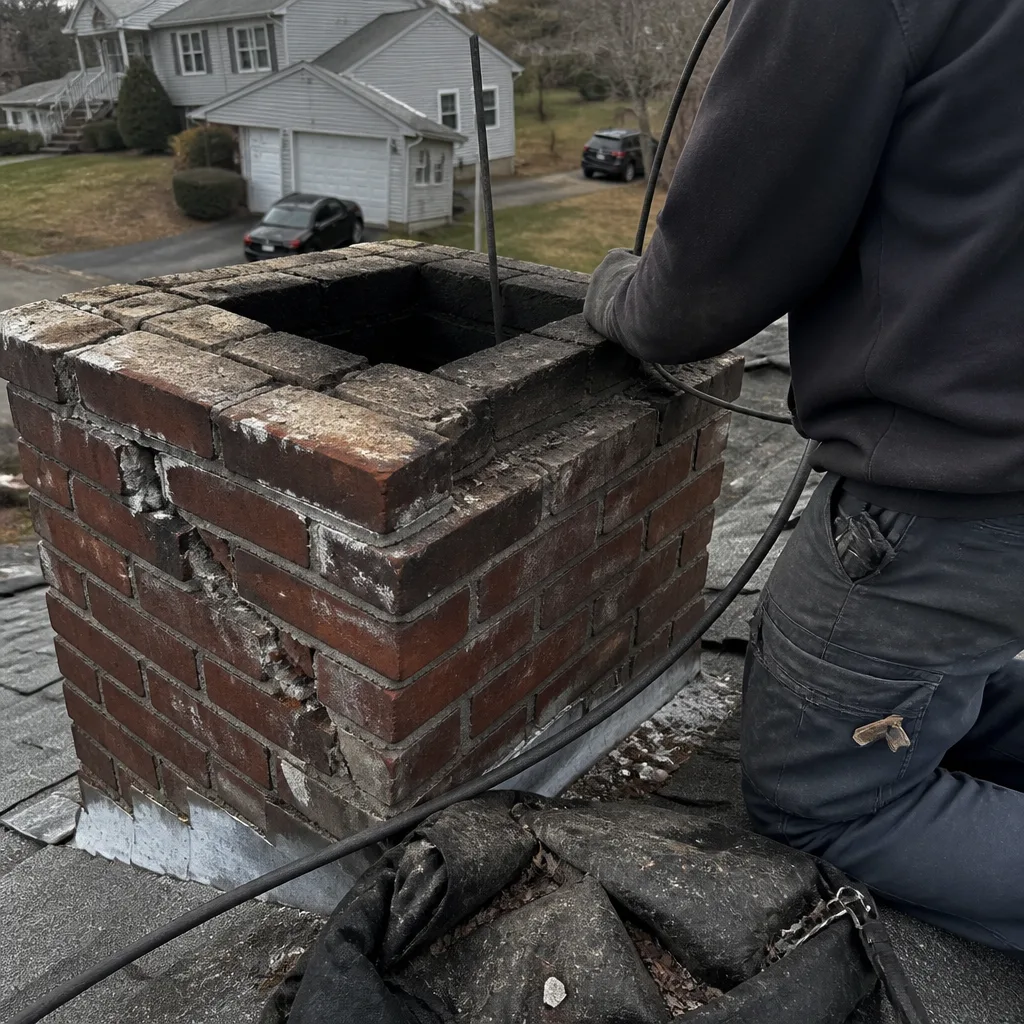 Before
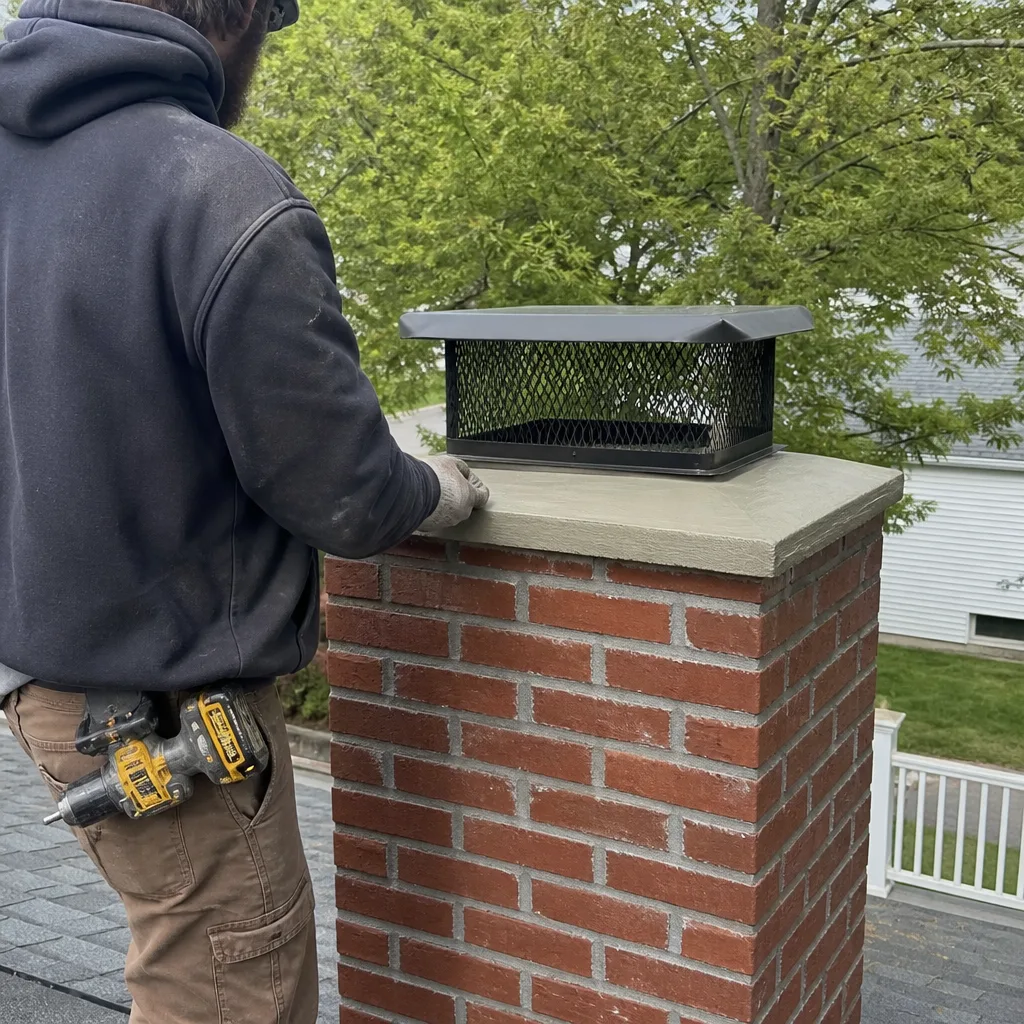 After
AfterDIY vs Professional Chimney Cleaning: The Leominster Homeowner’s Decision Guide
Here’s a number that reframes the whole debate: a homeowner with a $60 brush kit can remove first-degree creosote effectively, and can do nothing about the cracked tile liner hiding behind it. Those are two different jobs. Only one of them requires a professional, but only one of them determines whether your fireplace is actually safe to use. In this guide and our more guides & resources, we’ll walk Leominster homeowners through what DIY sweeping technically accomplishes, what it structurally cannot accomplish, and how to decide which path fits your situation based on your appliance type, usage pattern, and last professional inspection date.
Quick Answer
DIY chimney cleaning removes loose, first-degree creosote from accessible flue sections but cannot assess liner integrity, crown condition, or hidden structural damage. For Leominster homes with active fireplaces, professional cleaning with a camera-scan inspection is the only way to verify the system is safe to operate. If you had a Level 2 inspection within 12 months, use your fireplace lightly, and only see powdery soot, DIY maintenance between professional visits is reasonable.
Table of Contents
- What DIY Chimney Cleaning Actually Accomplishes
- What DIY Cleaning Cannot Do: The Structural Blind Spot
- The Equipment Gap: Brush Kit vs. Camera Rig
- How Leominster’s Climate and Building Stock Affect the Decision
- The One Scenario Where DIY Makes Sense
- Insurance and Liability in Massachusetts
- Decision Tree: DIY, Call, or Call First
- Cost Comparison: Real Numbers for Leominster
 Before
 After
AfterWhat DIY Chimney Cleaning Actually Accomplishes
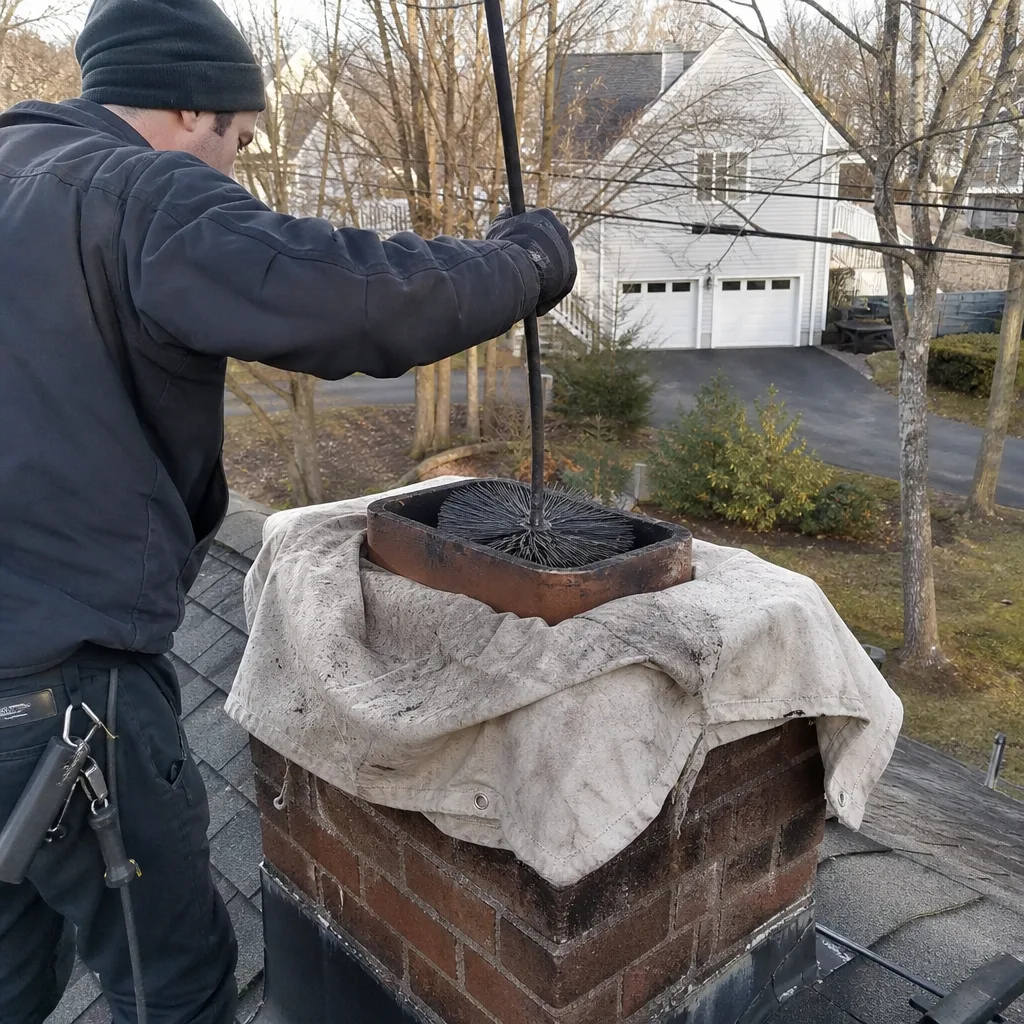
DIY chimney sweeping, done with a basic brush-and-rod kit and a shop vacuum, removes Stage 1 creosote from the flue liner’s accessible surfaces. Stage 1 creosote is the powdery or flaky deposit that forms when wood burns efficiently with adequate airflow. It’s the easiest to remove and the least hazardous. A homeowner with reasonable mechanical aptitude, proper ladder safety, and a few hours can push a poly or wire brush through a straight or moderately offset flue and collect the debris.
What this technically achieves:
- Removes loose particulate matter from the flue walls, reducing fuel load for potential chimney fires
- Improves draft efficiency by clearing obstructed airflow paths
- Extends time between professional cleanings for light-use fireplaces in good structural condition
- Provides visual access to the firebox and smoke chamber (the area directly above the firebox), where some debris accumulates
The limitation is immediate and structural. The brush contacts only surfaces it can physically reach. In many Leominster homes built between 1950 and 1990, flue liners have offsets, corbels, or narrowing sections where brushes bind or skip. The brush also tells you nothing about what it just touched. A brush moving through a cracked liner feels identical to one moving through intact tile. The homeowner finishes the job believing the system is clean. Clean and sound are not the same condition.
We’ve inspected chimneys in Leominster’s Lunenburg Street corridor where homeowners swept annually for years, never knowing their terracotta liner had shifted during the 2008 ice storm freeze-thaw cycle. The flue was clean. It was also structurally compromised. That distinction matters because a clean, cracked liner vents combustion gases into wall cavities just as effectively as a dirty one.
What DIY Cleaning Cannot Do: The Structural Blind Spot
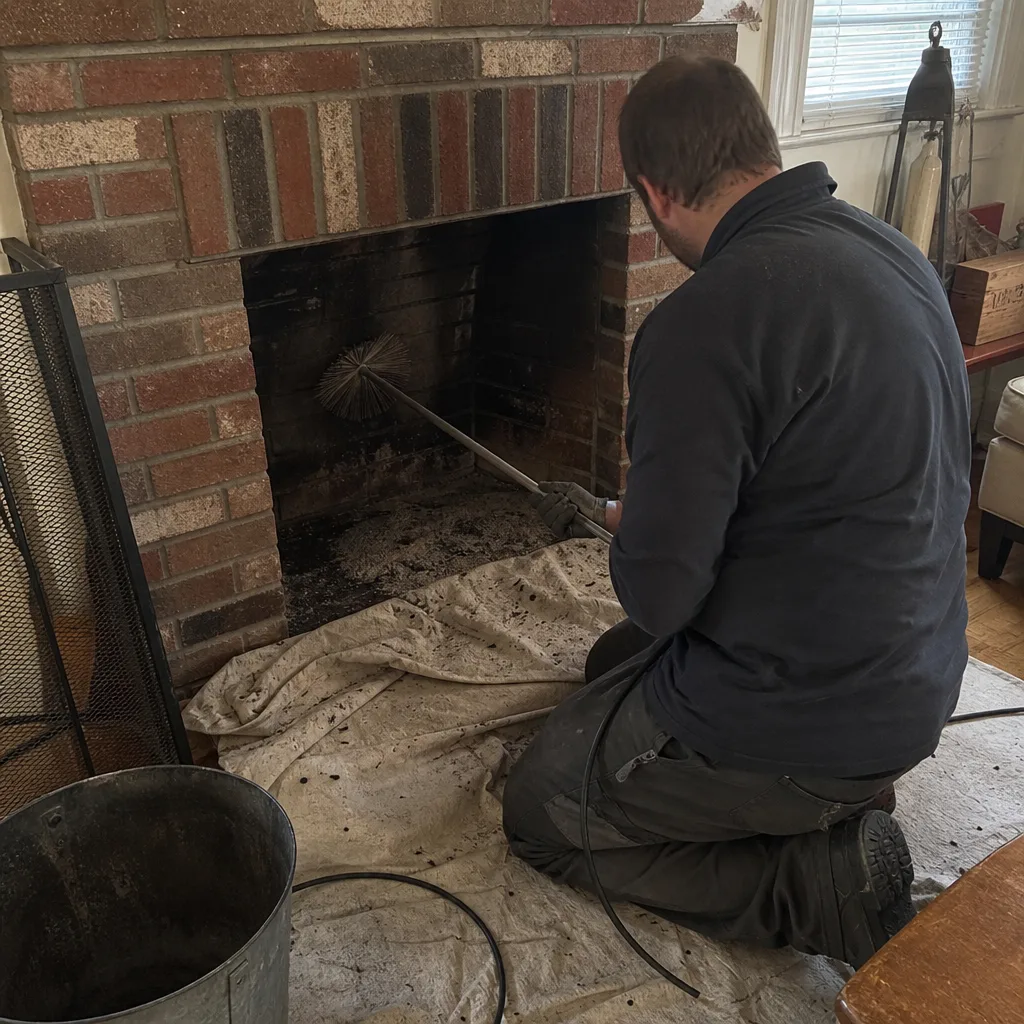
The safety-relevant output of chimney maintenance is not cleanliness. It’s structural integrity. A dirty but sound chimney is safer than a clean but compromised one. DIY sweeping creates a dangerous confidence: the homeowner sees soot removed, smells fresh air, and assumes the system is ready for burning season. The assumption is unwarranted.
Here is what no brush kit can evaluate:
- Flue liner condition: cracked tiles, missing mortar joints, spalling surfaces, or complete liner failure. These defects allow heat and combustion gases to penetrate masonry and reach combustible framing. In Leominster’s older housing stock, particularly the Victorian and Craftsman homes near downtown and along Main Street, original terracotta liners are often 80 to 120 years old.
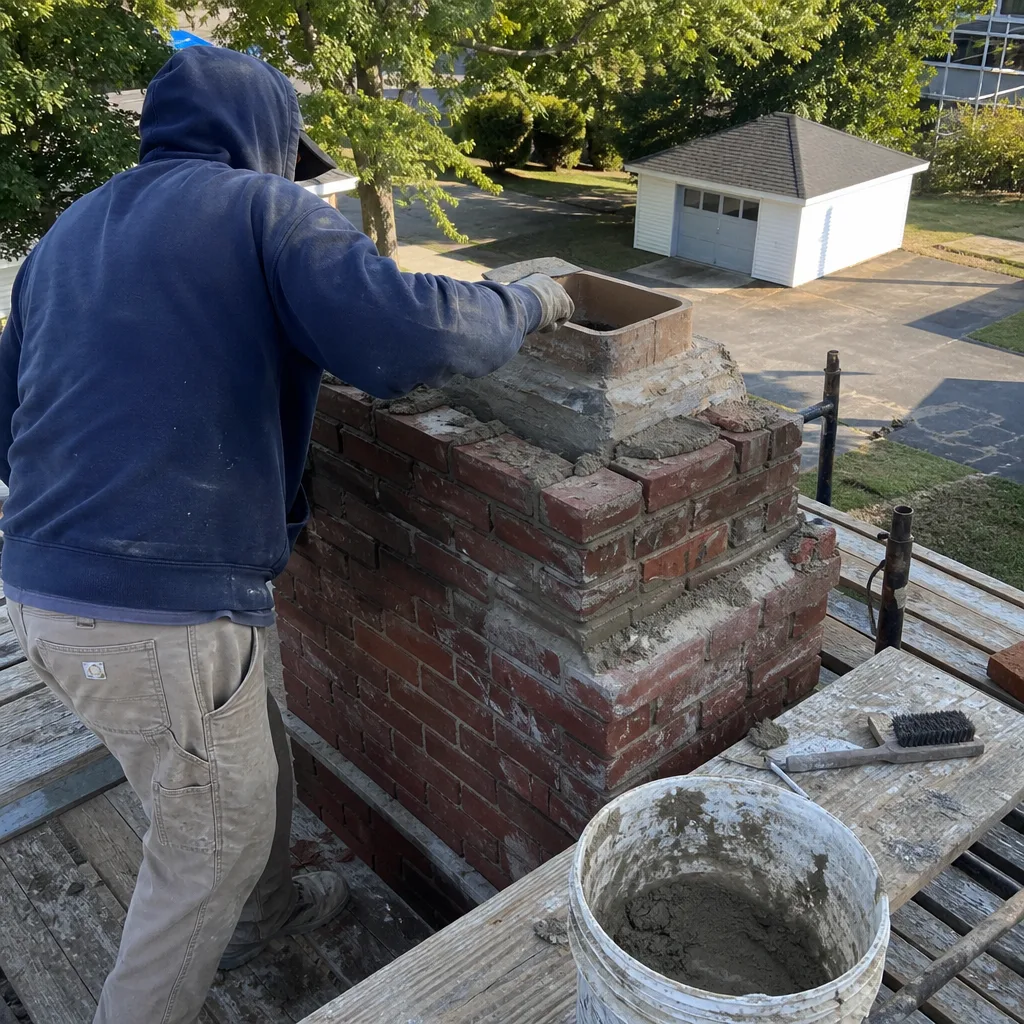
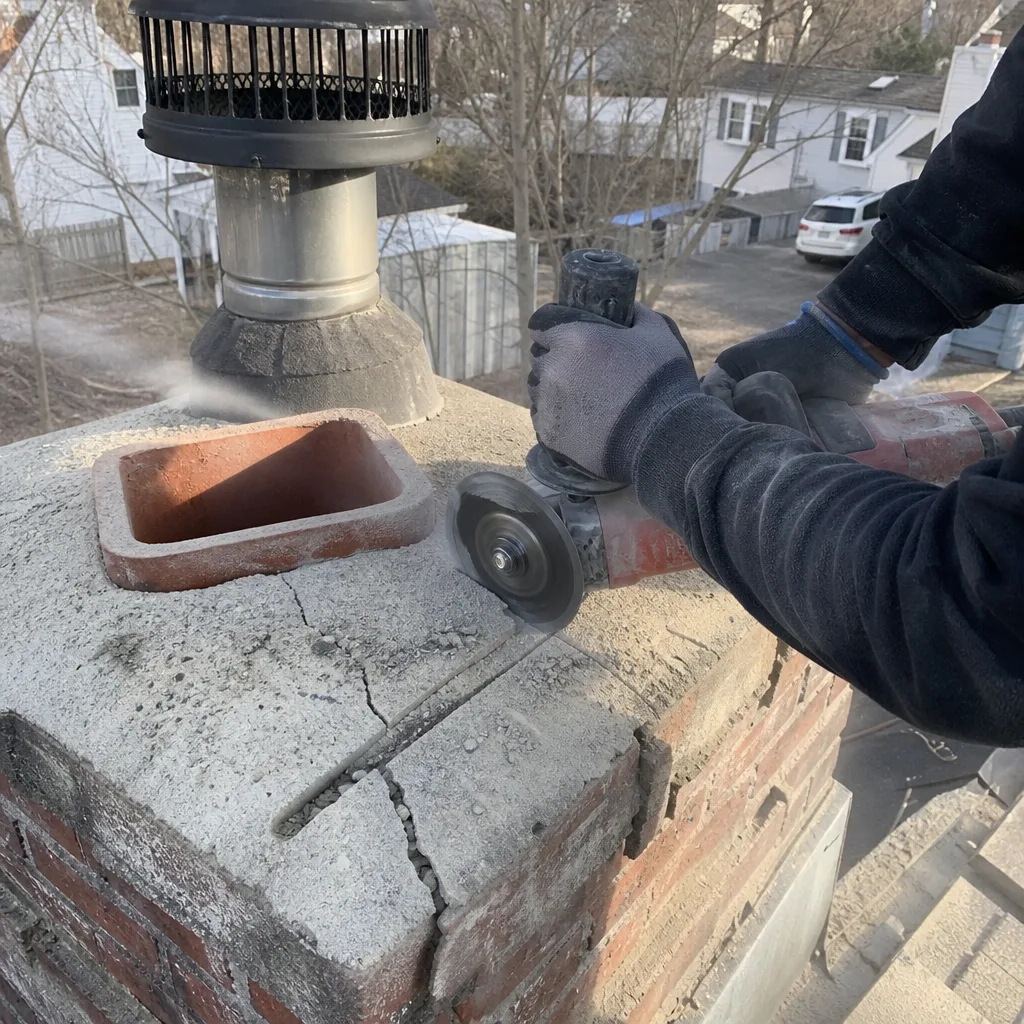
- Crown integrity: the concrete cap at the chimney top. Cracks here admit water that accelerates liner deterioration through freeze-thaw cycling. Leominster averages 48 inches of annual precipitation and temperature swings from below zero to summer highs above 90 degrees. Water intrusion through a compromised crown is the primary driver of liner failure in our market.
- Smoke chamber condition: the area above the damper that funnels smoke into the flue. Parged (smoothed) surfaces can crack or deteriorate, creating turbulence that reduces draft and allows creosote accumulation in hidden pockets. No brush kit inspects this space adequately.
- Cap and spark arrestor function: missing or damaged caps admit animals, debris, and water. We’ve removed squirrel nests from Leominster chimneys in October that completely blocked the flue. The homeowner had swept in September. The brush never reached the obstruction.
- Stage 2 and Stage 3 creosote: as creosote ages and compacts, it becomes tar-like (Stage 2) or hardened and glazed (Stage 3). Standard brushes will not remove it. Chemical treatments or mechanical removal with specialized chains and whips are required. Stage 3 creosote is the most combustible form and the most likely to fuel a chimney fire.
- Clearance to combustibles: the hidden spatial relationship between the chimney structure and surrounding wood framing. Only a camera inspection and, in some cases, interior wall examination can verify adequate clearance.
The critical point: DIY sweeping addresses only the symptom (creosote accumulation) and only the most accessible form of that symptom. It does not address the underlying structural condition that determines whether the chimney can safely contain and vent combustion products. For Chimney Cleaning & Sweep in Leominster, the camera finding, not the brush pass, is the safety-relevant output.
The Equipment Gap: Brush Kit vs. Camera Rig
Understanding the equipment difference clarifies why DIY and professional sweeping are not comparable services. They are different tasks with different outputs.
A standard DIY kit runs $50 to $120 and includes:
- Polypropylene or wire chimney brush (diameter selected to match flue)
- Flexible fiberglass or steel rods, typically 6 to 12 feet
- Basic drop cloth and ash vacuum adapter
A professional NFPA 211 Level 2 inspection and cleaning outfit, which Level Two Chimney Leominster has deployed since 2009, includes:
- High-torque rotary cleaning system with interchangeable heads (chains, whips, poly brushes) for all creosote stages
- HEPA-rated industrial vacuum with secondary filtration
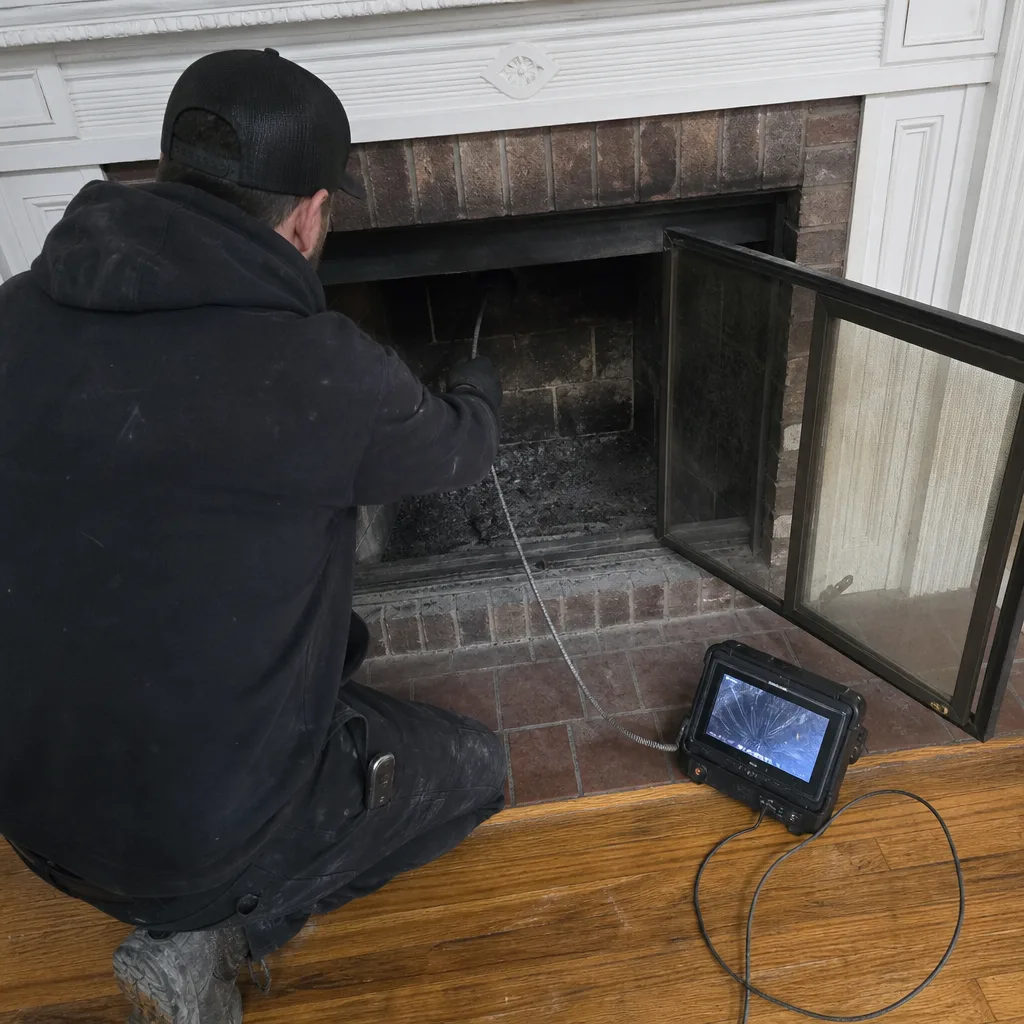
- Video scanning system: push camera or pan-tilt unit with 120-foot cable, LED lighting, and digital recording capability
- Combustion analyzer for draft and spillage testing
- Masonry inspection tools: moisture meters, probing instruments, crown-sealing compounds
- Personal protective and ladder safety equipment exceeding OSHA standards
The camera rig alone represents a capital investment of $8,000 to $15,000. More importantly, it produces the documented photo record that Clause 4 of the Haven Standard requires on every job. The homeowner sees what the technician sees: liner condition, creosote stage, obstruction location, water damage patterns. This documentation becomes part of the home’s maintenance record and, if needed, evidence for insurance or real estate transactions.
The equipment gap is not about professionalism for its own sake. It’s about information. A brush kit provides no information about structural condition. A camera rig provides definitive visual evidence. In our experience across 38,000 inspections, the camera finding changes the homeowner’s understanding of their system in approximately 40% of cases. The brush pass, by contrast, changes nothing about what the homeowner knows.
How Leominster’s Climate and Building Stock Affect the Decision
Leominster’s specific conditions make the DIY vs. professional question more consequential than in milder or newer markets.
Freeze-thaw cycling: Our winters produce repeated freeze-thaw events, particularly in March and November. Water enters crown cracks or deteriorated mortar joints, expands when frozen, and widens defects progressively. A chimney that was sound in October may be compromised by April. Annual professional inspection catches this cycle in progress. DIY sweeping in spring misses it entirely.
Housing age and type: Leominster’s residential stock includes significant pre-1950 construction, particularly in the neighborhoods north of downtown and along Route 12. These homes often have unlined brick chimneys or early terracotta liners that do not meet current standards. We’ve inspected homes in the Whalom Park area where original construction used parged brick flues with no liner at all. DIY sweeping of such a system is cosmetic at best and potentially hazardous if it encourages use of a deteriorated structure.
Wood species and burning patterns: Leominster homeowners burn predominantly hardwood (oak, maple, beech) with occasional softwood for kindling. Properly seasoned hardwood produces less creosote than unseasoned softwood, but our cold snaps encourage overnight burning with restricted airflow, a pattern that generates Stage 2 creosote even with good fuel. The homeowner who sweeps annually, sees powdery residue, and assumes the flue is clean may be missing glazed deposits higher in the system where temperatures drop and condensation occurs.
Local code and permit context: Leominster follows the Massachusetts State Building Code with amendments. Wood-burning appliance installations and chimney modifications require permits and inspection. While routine cleaning does not require permitting, any repair work triggered by inspection findings (liner replacement, crown rebuild, smoke chamber parging) must comply with current code. A professional inspection identifies code-deficient conditions that DIY sweeping cannot detect.
The One Scenario Where DIY Makes Sense
There is a narrow, well-defined circumstance where DIY sweeping is a reasonable choice: the homeowner who meets all of the following conditions.
- Had a professional NFPA 211 Level 2 inspection within the past 12 months with documented photo record showing sound liner, intact crown, functional cap, and no Stage 2 or 3 creosote
- Uses the fireplace lightly - fewer than 40 fires per season, primarily for ambiance rather than primary heating
- Burns only properly seasoned hardwood (moisture content below 20%, typically 12 months split and stacked)
- Observes only powdery, first-degree creosote during routine firebox cleaning
- Is comfortable with ladder safety and roof access, or can sweep from below with adequate debris containment
- Plans to schedule professional inspection and cleaning before the next burning season if usage increases or any change in performance occurs
In this scenario, DIY sweeping functions as interim maintenance, not as a substitute for professional evaluation. The structural condition is known and documented. The creosote form is manageable. The homeowner is maintaining a known-good system, not assessing an unknown one.
Even here, limitations apply. The DIY sweep does not reset the inspection clock. The 12-month professional interval continues from the last camera inspection date, not from the DIY sweep. And if anything changes - smoke spillage into the room, draft reduction, unusual odors, visible exterior staining - the DIY maintenance assumption is void and professional evaluation is required immediately.
Insurance and Liability in Massachusetts
Massachusetts homeowners should understand the insurance implications of self-certified chimney maintenance, particularly after a fire loss.
Standard homeowner policies cover chimney fires as sudden and accidental losses, subject to policy terms. However, insurers may investigate whether the loss resulted from maintenance neglect or defective conditions that the homeowner knew or should have known about. A documented professional inspection with photo record provides clear evidence of due diligence. A self-reported “I swept it myself” provides no such documentation.
More critically, if a chimney fire spreads to the structure and investigation reveals pre-existing liner failure or other defects that a professional inspection would have identified, the insurer may dispute coverage based on failure to maintain the property. Massachusetts courts have upheld such denials where homeowners could not produce maintenance records.
The Massachusetts Office of Consumer Affairs and Business Regulation advises homeowners to maintain records of all professional service work. For chimney systems, this means inspection reports, cleaning receipts, and repair documentation. Clause 4 of the Haven Standard, requiring a photo record on every visit, was designed precisely to produce this documentation as a standard output, not an optional extra.
From a liability perspective, if a guest or tenant is injured due to carbon monoxide exposure or fire originating from a chimney the homeowner maintained themselves, the absence of professional inspection records weakens the homeowner’s position in any subsequent claim. The $200 to $350 cost of professional inspection and cleaning is minor compared to potential uncovered losses or liability exposure.
Decision Tree: DIY, Call, or Call First
Use this framework based on your specific situation. Be honest about your conditions; the categories are designed to protect you from the most common errors we see in Leominster.
DIY is Reasonable
- Level 2 inspection with photo record within 12 months, all systems sound
- Light use (under 40 fires/season), seasoned hardwood only
- Only powdery, first-degree creosote observed
- Confident in ladder and roof safety, or sweeping from below
- Commitment to professional inspection before next season if anything changes
Call a Professional Before Doing Anything
- No professional inspection in past 12 months, or unknown inspection history
- Purchased home within past 2 years and no chimney documentation from seller
- Any use of the fireplace as primary or significant supplemental heat
- Observed tar-like or glazed creosote (shiny, hard, difficult to scrape)
- Any smoke spillage, draft problems, or unusual odors
- Visible exterior damage: missing mortar, crown cracks, leaning, or staining
- Planning to sell the home within 24 months (buyer inspection will require documentation)
Call Immediately - Do Not Use Fireplace
- Known or suspected chimney fire (loud roaring, dense smoke, hot exterior masonry)
- Carbon monoxide detector activation with fireplace in use
- Visible cracks in firebox or smoke chamber
- Water leaking into fireplace or adjacent wall
- Animal entry or nesting sounds in flue
- Any structural movement or separation of chimney from building
For any scenario in the “Call” categories, Level Two Chimney Leominster home provides free estimates with written price before work starts. Call (978) 481-2900.
Cost Comparison: Real Numbers for Leominster
Homeowners deserve specific pricing context to evaluate the DIY vs. professional decision. These ranges reflect Leominster market conditions as of 2024-2025 and include the documentation standards that affect long-term value.
| Service or Item | Typical Cost Range | What’s Included |
|---|---|---|
| DIY brush-and-rod kit | $50 - $120 | Basic brush, rods, minimal accessories; no inspection capability |
| DIY rotary cleaning system (consumer grade) | $200 - $400 | Power drill attachment, limited heads; still no inspection |
| Professional chimney sweep and Level 1 inspection | $150 - $250 | Cleaning, basic visual inspection from accessible areas; no camera |
| Professional chimney sweep and NFPA 211 Level 2 inspection | $275 - $425 | Rotary cleaning, video scan of full flue, photo record, written condition report |
| Stage 3 creosote removal (chemical + mechanical) | $400 - $700 | Specialized treatment and removal, Level 2 inspection included |
| Chimney cap replacement (standard stainless) | $250 - $450 installed | Cap, spark arrestor, installation; materials from Famco or Olympia Chimney supply |
| Crown repair/sealing | $350 - $800 | Crown assessment, crack repair, sealant application or partial rebuild |
The relevant comparison is not DIY kit ($80) vs. professional sweep ($350). The relevant comparison is DIY kit with zero information ($80) vs. professional sweep with documented structural assessment ($350). The $270 difference purchases the inspection data that determines whether the fireplace is safe to use. For most Leominster homeowners, that information has value far exceeding the price differential.
Level Two Chimney Leominster offers a Free Second Opinion on any written estimate from another company. Bring us a competitor’s written quote and we’ll review it against what our inspection actually finds. Written price before work starts, every time, under Haven Standard Clause 1.
Common Mistakes to Avoid
- Sweeping without inspecting first. In Leominster’s North Leominster and Whalom neighborhoods, we’ve found bird nests, deteriorated liners, and even active bee colonies that a brush would push further into the system or disturb dangerously. Always know what’s in the flue before inserting tools.
- Using the wrong brush material. Wire brushes on stainless steel liners cause scoring that accelerates corrosion. Poly brushes on heavy creosote glaze simply polish the surface without removing it. Match the tool to the liner material and creosote stage.
- Ignoring the smoke chamber. The area above the damper accumulates creosote and is inaccessible to standard brush kits. In Leominster’s tighter 1920s bungalows, smoke chamber defects are common and particularly hazardous due to proximity to combustible framing.
- Sweeping from the top without proper ladder safety. Chimney work from roofs is a leading cause of homeowner injury. Steep pitches, ice, and deteriorated flashing create fall hazards that professional crews manage with specialized equipment and training.
- Assuming clean means safe. This is the fundamental error. A flue can be visually clean and structurally failed. Only camera inspection verifies the condition that matters for safety.
- Missing the crown and cap. DIY sweeping focuses downward on the flue interior. Water entry from above destroys liners regardless of cleaning quality. The crown and cap condition is as important as the flue condition and requires rooftop evaluation.
- Not documenting anything. If you do sweep yourself, photograph everything: firebox, smoke chamber opening, brush condition after use, exterior crown and cap. This minimal documentation is better than none if questions arise later.
When to Call a Professional
Call a professional when your situation doesn’t match the narrow DIY-reasonable criteria, when anything has changed since your last inspection, or when you need documentation for insurance, real estate, or peace of mind. Specifically: if you haven’t had a Level 2 inspection in 12 months, if you use your fireplace regularly, if you see anything other than powdery soot, if you’ve noticed performance changes, or if you’re preparing to sell your home.
The inspection itself is non-destructive and informative. You’ll receive a written condition report, photo documentation of what we found, and a written price for any recommended work before anything begins. No surprises, no pressure, no work without your explicit authorization.
Level Two Chimney Leominster offers free estimates in Leominster - call (978) 481-2900. Live phone support, 24 hours a day, 7 days a week. Background-checked, uniformed technicians. License information displayed on every page. The 365-Day Done Right Promise applies to every job.
Frequently Asked Questions
A professional chimney sweep with NFPA 211 Level 2 camera inspection in Leominster typically costs $275 to $425, depending on appliance type, accessibility, and creosote condition. This includes rotary cleaning, full video scan of the flue, documented photo record, and written condition report. Basic sweep-only services without camera inspection run $150 to $250 but do not provide structural assessment. Call (978) 481-2900 for a free estimate with exact pricing for your system.
You need a new liner when inspection reveals cracks, gaps, spalling, or deterioration that compromises the flue’s ability to contain combustion gases and heat. Sweeping does not repair or assess liner condition. In Leominster’s older homes, particularly those with original terracotta liners, we’ve documented cases where liners appeared functional but had hidden failures that only camera inspection revealed. No liner replacement is recommended without photo evidence you can see for yourself, and we’ll tell you plainly when a condition can be monitored rather than repaired immediately.
The National Fire Protection Association recommends annual inspection for all chimney systems, with cleaning frequency determined by inspection findings. In Leominster’s climate, with freeze-thaw cycling and predominantly hardwood burning, most active fireplaces need annual cleaning. Light-use fireplaces (under 40 fires per season) may extend to every two years if inspection confirms minimal creosote accumulation and sound structural condition. Heavy use, unseasoned wood, or performance changes require more frequent attention.
Skipped maintenance leads to creosote accumulation, which increases chimney fire risk, and undetected structural deterioration, which increases carbon monoxide intrusion and fire spread risk. In Leominster, we’ve responded to chimney fires in homes where maintenance had lapsed three to five years. The fires were preventable; the liner failures that allowed them to spread were detectable. The cost of prevention is minor compared to the cost of remediation, which can include structural repair, smoke damage restoration, and potential injury.
A standard shop vacuum can collect loose debris after brushing but lacks the HEPA filtration needed for fine particulate and cannot remove adhered creosote. More importantly, vacuuming does not inspect anything. If you use a shop vacuum as part of DIY maintenance, treat it as debris collection only, not as cleaning or assessment. The vacuum hose also will not reach most flue obstructions or evaluate liner condition.
Massachusetts does not mandate professional cleaning by statute, but building codes require chimney systems to be maintained in safe operating condition. Insurance policies typically include maintenance requirements that affect coverage. For rental properties, Massachusetts sanitary code requires heating systems to be safe and functional, which includes chimney-vented appliances. Documentation of professional maintenance protects homeowners in insurance and liability contexts in ways that self-certification cannot.
The Bottom Line
DIY chimney cleaning removes accessible, first-degree creosote but provides no information about the structural condition that determines safety. Professional service with camera inspection provides that information as a documented, verifiable record. For most Leominster homeowners, the decision is not cost versus convenience but information versus absence of information. The narrow scenario where DIY is reasonable requires a recent professional baseline, light use, and commitment to professional re-evaluation. Outside that scenario, professional inspection and cleaning is the only path to verified safe operation. The Chimney Repair in Leominster and Fireplace Services in Leominster pages detail additional services when inspection reveals needed work.
Level Two Chimney Leominster has completed more than 38,000 chimney inspections and cleanings since 2009, every one with a written price before work started and a documented record when done. Materials sourced through our Haven buying network from DuraFlex, HeatShield, Gelco, Olympia Chimney, Famco, and Copperfield keep customer prices honest. The 365-Day Done Right Promise applies to every job.
Call (978) 481-2900 for a free estimate. Written price before work starts. Photo record included. No exceptions.
Written by Corrine Halstead, Owner at Level Two Chimney Leominster, serving Leominster since 2009.