
Last updated September 22, 2026
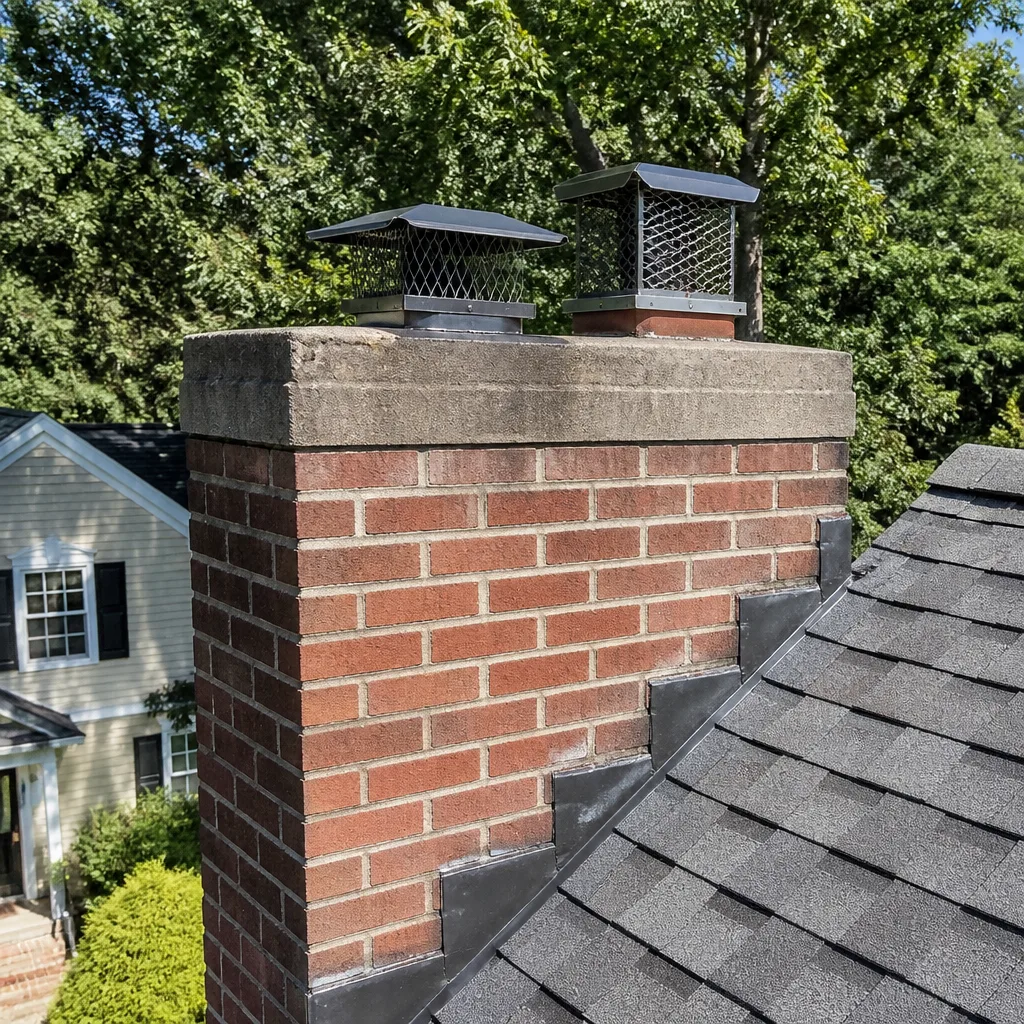
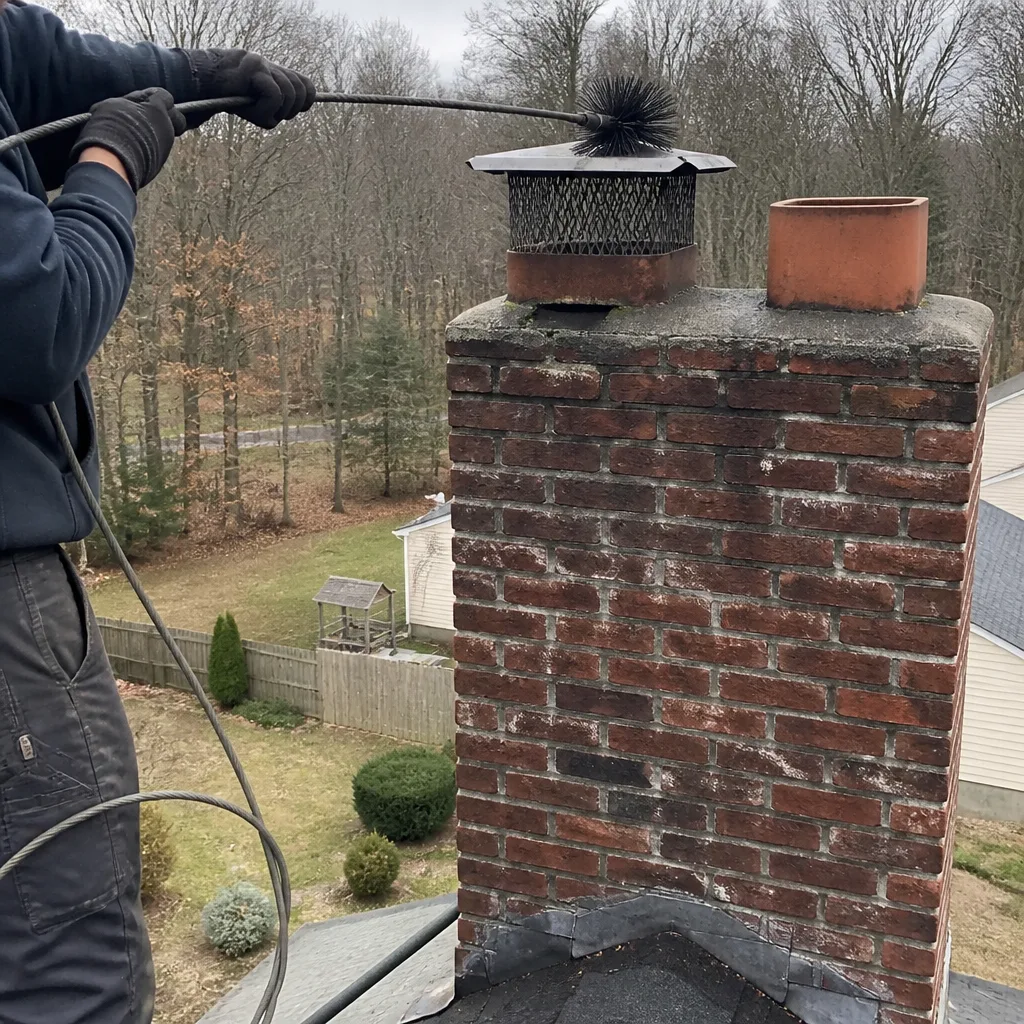
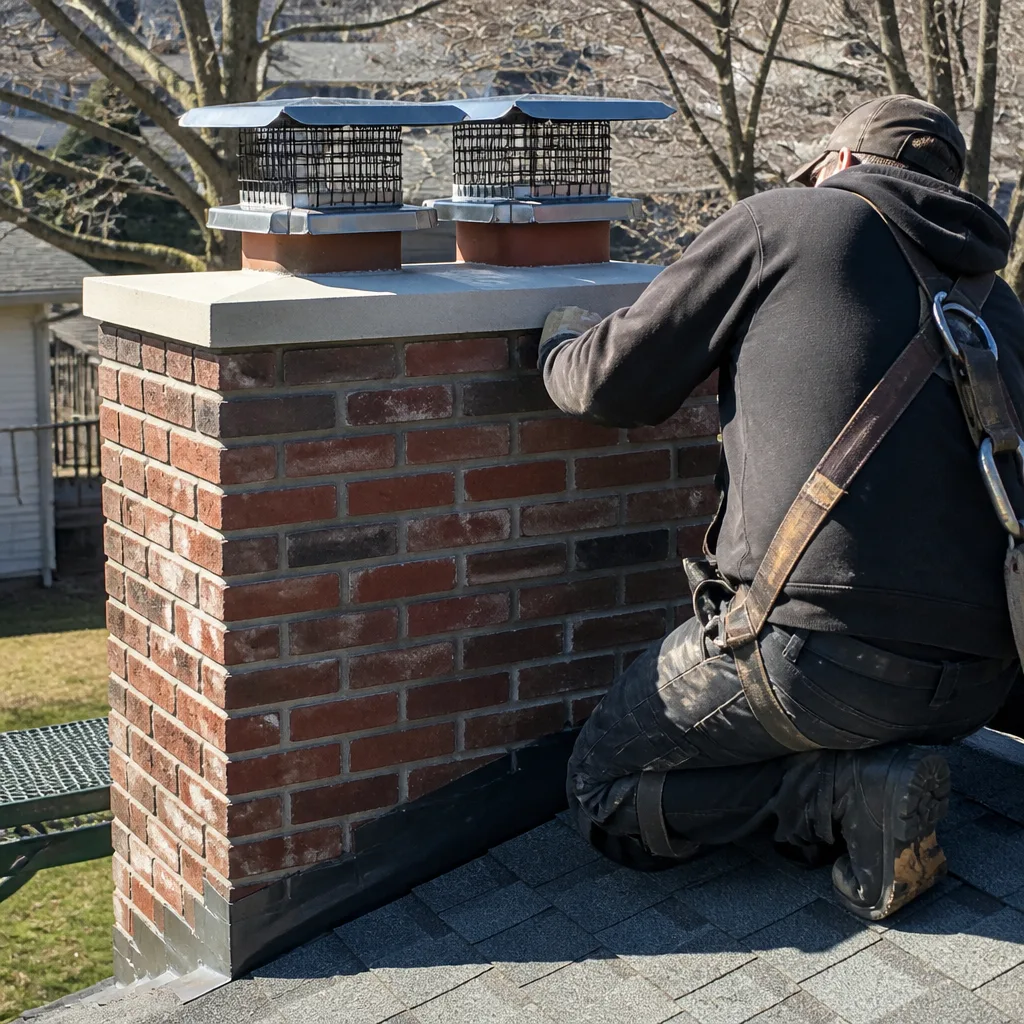
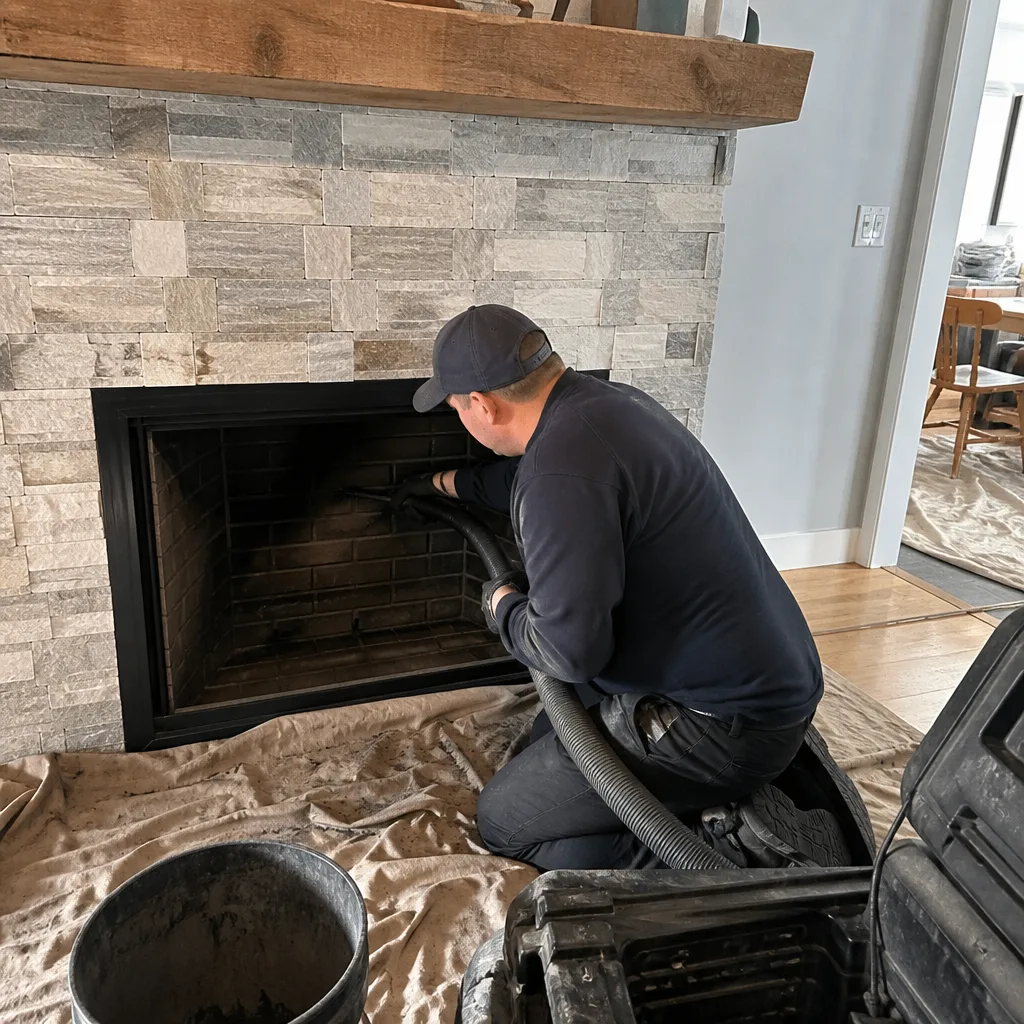
Level 1 sweep and inspection to the NFPA 211 annual standard - flue, crown, cap, and flashing checked and photographed
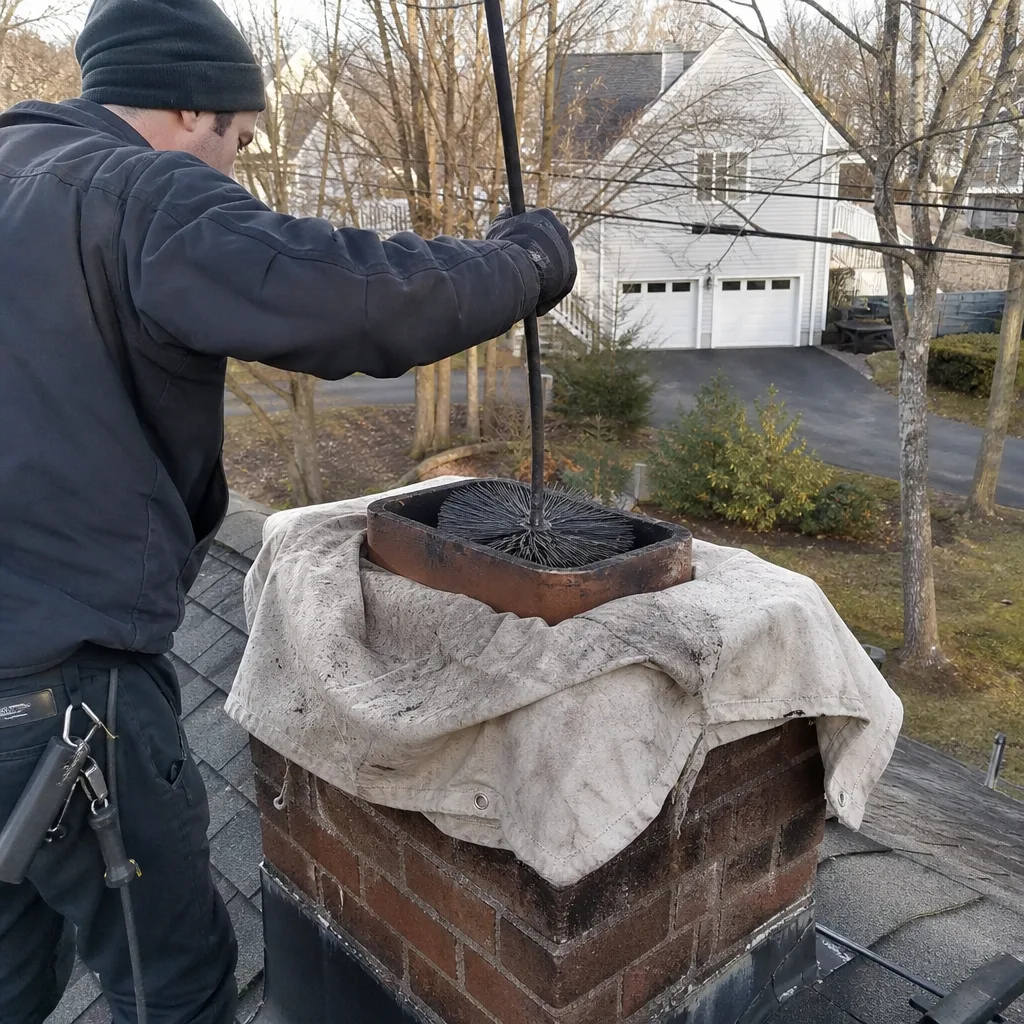
Chimney sweep logs do not sweep chimneys. They loosen some creosote - which then falls where a brush and vacuum still have to collect it.
 Before
 After
After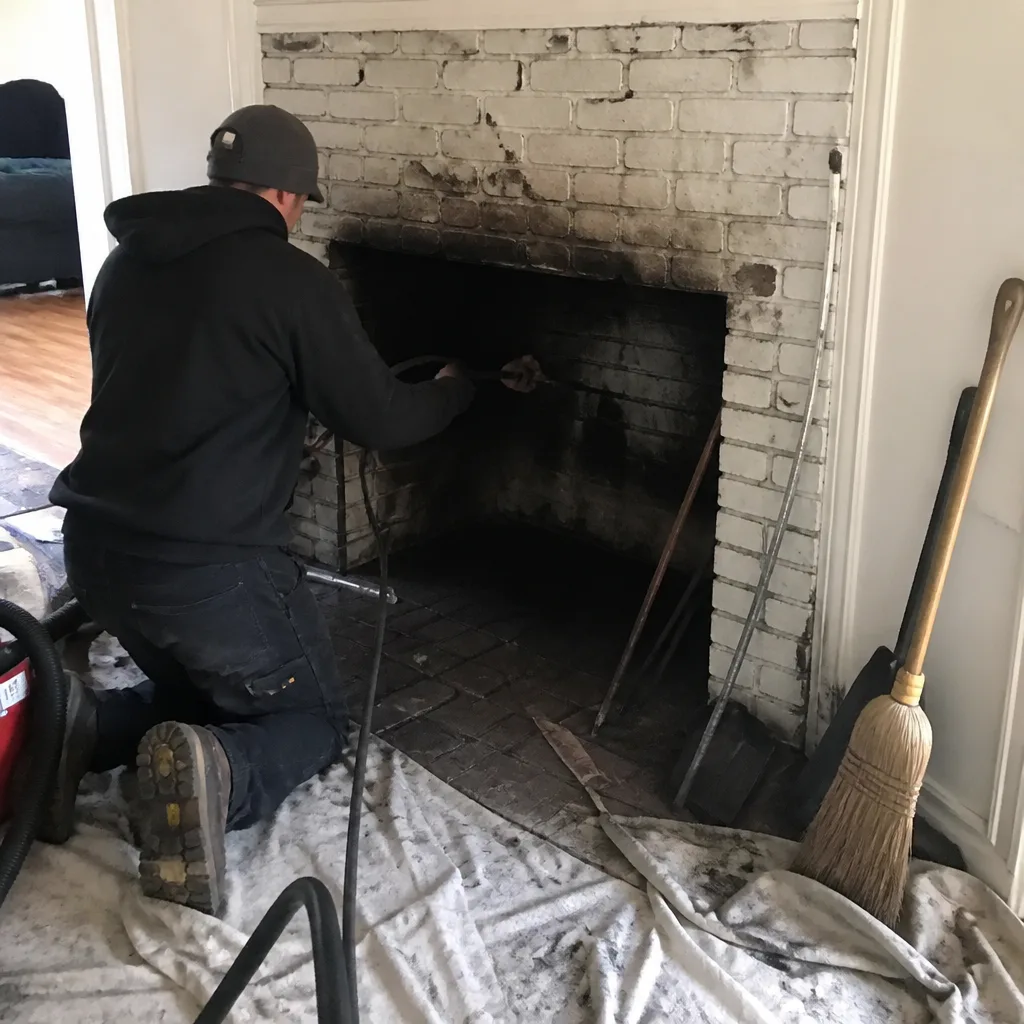 Before
 After
After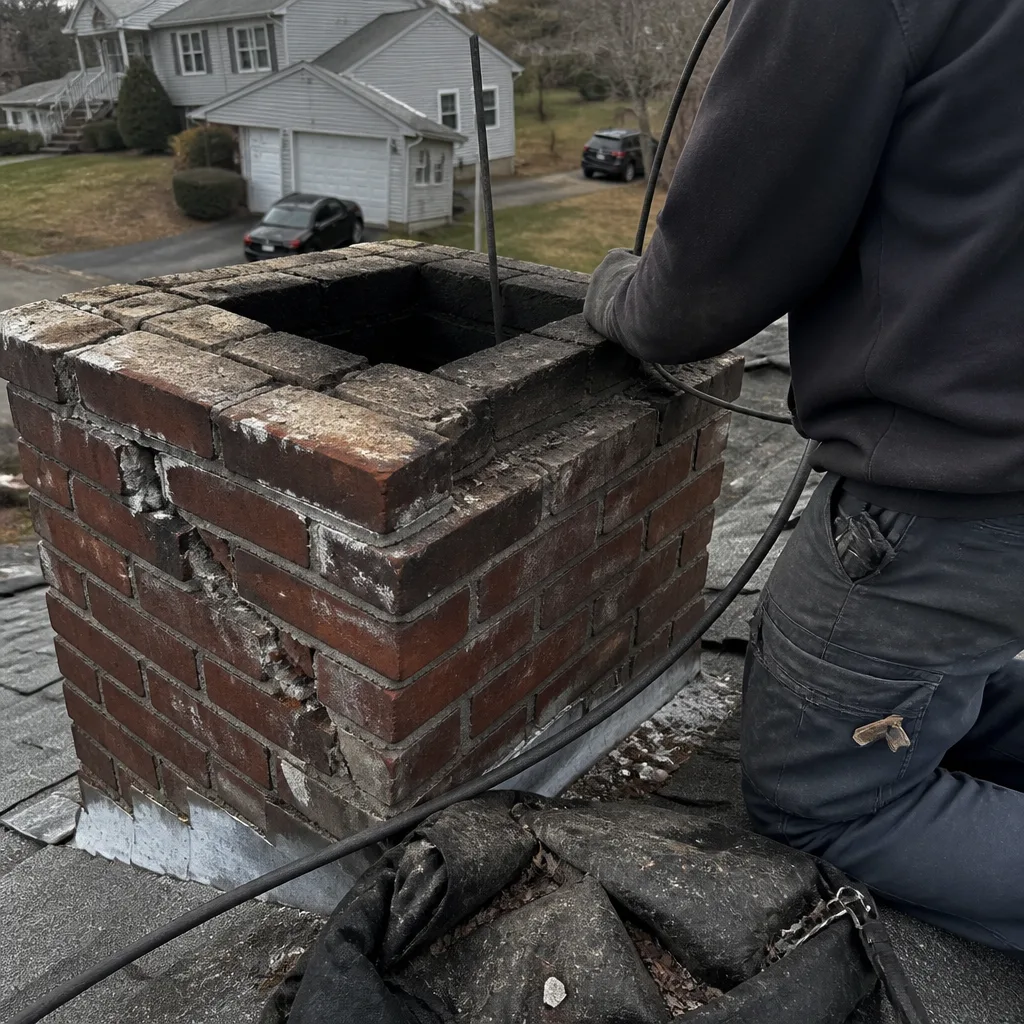 Before
 After
AfterSeasonal Chimney Cleaning Care for Leominster: Year-Round Homeowner’s Guide
Spring is when Leominster chimneys fail structurally, but it’s also when most homeowners stop thinking about them entirely. Between January and April, freeze-thaw cycles crack mortar joints, spall brick faces, and open gaps in crown wash that weren’t there in October. By May, the damage is hidden under pollen and new growth, and the homeowner who waited for “sweep season” in September now has a full season of water intrusion behind them. In this guide and our Chimney Cleaning & Sweep Maintenance Checklist for Leominster Homeowners, we’ll map the four distinct chimney stress events that Leominster’s climate creates, explain why each season demands a different kind of attention, and show you how to time service to the actual hazard rather than a marketing calendar.
Quick Answer
Leominster homeowners should treat chimney maintenance as four seasonal tasks, not one annual appointment: winter monitoring for creosote buildup under cold-draft conditions, spring camera inspection for freeze-thaw masonry damage, summer moisture and cap checks on idle flues, and fall pre-season verification of liner, damper, and combustion air before the first fire. Each season creates a distinct failure mode that a single October sweep cannot catch.
Table of Contents
- Winter in Leominster: When Cold Drafts Turn Smoke Into Fuel
- Spring in Leominster: The Hidden Masonry Damage Season
- Summer in Leominster: Why an Unused Chimney Still Needs Attention
- Fall in Leominster: The Real Pre-Season Checklist
- When Your Home Has Multiple Heating Appliances
- What Chimney Service Costs in Leominster, Season by Season
- Common Mistakes to Avoid
- When to Call a Professional
- Frequently Asked Questions
 Before
 After
AfterWinter in Leominster: When Cold Drafts Turn Smoke Into Fuel
Most Leominster homeowners assume creosote accumulates at a steady rate through the burning season. It doesn’t. The rate spikes when the flue temperature drops below 250°F for extended periods, which happens regularly in January and February when outside temperatures in Leominster sit in the single digits for days at a time.
Here’s the mechanism: incomplete combustion produces smoke laden with unburned hydrocarbons. In a hot flue, these gases exit before they condense. In a cold flue, they hit the liner wall, cool, and stick. The result is Class III creosote, a hard, glazed deposit that builds in layers and cannot be removed with a standard brush. We’ve pulled samples from Leominster flues in February that went from clean to hazardous in six weeks of normal use.
The risk isn’t theoretical. Chimney fires peak in January nationally, and in our records, Leominster follows that pattern with a secondary spike in late February after the coldest stretches. A chimney fire doesn’t always announce itself with flames and sirens. Many burn slowly, cracking flue liners and opening paths for combustion gases into wall cavities. The homeowner smells something odd, opens the damper, and assumes the problem went away.
What to do in winter:
- Monitor burn quality. If your fire smolders, if glass doors stay black, or if you smell smoke in the house, the flue is too cold or the wood is too wet. Both accelerate creosote.
- Check the cleanout door monthly if you have one. A buildup of flaky black material there means the main flue is loading faster than you think.
- Schedule a mid-winter inspection if you’ve burned more than two cords by January 15. This is especially important for homes near Leominster’s downtown core, where tighter construction and smaller flues compound drafting problems.
- Never burn treated lumber, painted wood, or Christmas tree remnants. The chemicals alter combustion chemistry and deposit corrosive residues that standard sweeping won’t remove.
Wood moisture matters more than most homeowners realize. In Leominster, firewood cut in spring and stored outside through summer typically reaches 20-25% moisture by October, which is acceptable. Wood stored against the house, under a tarp, or in a basement often stays above 30% all winter. We use a moisture meter on every service call, and we show the reading to the homeowner. Wet wood is the single most controllable factor in creosote formation.
The Chimney Cleaning & Sweep in Leominster page details our full sweeping protocol, including rotary cleaning for glazed deposits.
Spring in Leominster: The Hidden Masonry Damage Season
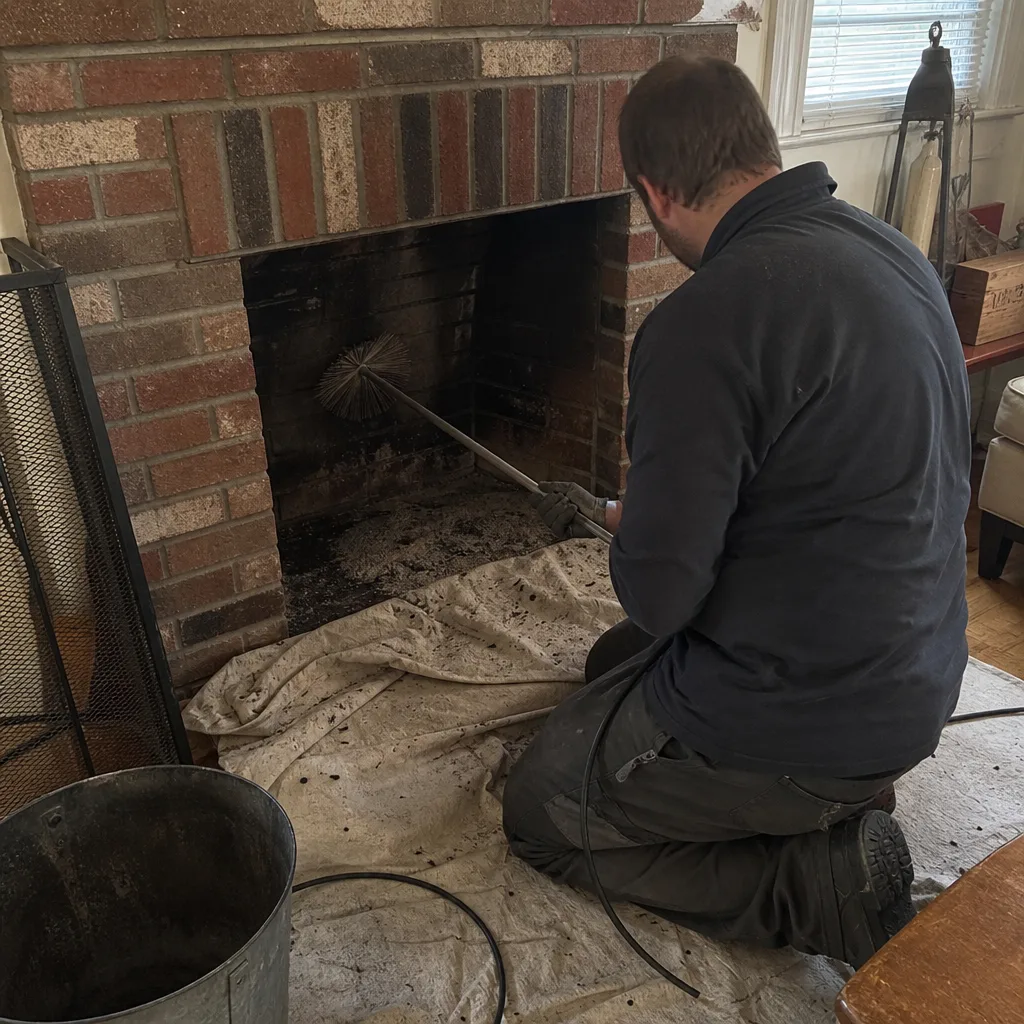
Freeze-thaw damage is Leominster’s most underdiagnosed chimney problem, and spring is when it reveals itself, if you know where to look.
Here’s the cycle: water enters mortar joints through hairline cracks or porous brick. Temperature drops below 32°F, water expands by 9%, and the crack widens. Temperature rises, ice melts, more water enters the larger opening. Repeat thirty or forty times between January and March. By April, a joint that was sound in October has lost 30% of its bond strength. By June, the face of the brick begins to spall, flaking off in curved sheets.
The damage is structural, not cosmetic. A chimney with compromised mortar joints leans, settles, and eventually separates from the house. In Leominster, where many homes built between 1950 and 1980 have chimneys on exterior gable ends with no cricket to divert water, this progression is common. We’ve rebuilt crowns on Whalon Street homes where the freeze-thaw cycle opened gaps wide enough to slide a pencil into the mortar.
The critical point: exterior walk-around inspections miss most of this damage. Spalling on the face of brick is visible, but the joint degradation behind it isn’t. A camera scan down the flue, performed under NFPA 211 Level 2 standards, reveals mortar loss between flue tiles, gaps in the smoke chamber, and water staining that indicates where the shell is breached. Clause 4 of the Haven Standard requires this photo documentation on every job, and we’ve maintained that archive since 2009.
Spring inspection priorities for Leominster homeowners:
- Schedule a Level 2 camera inspection in April or May, after the last hard freeze but before vegetation obscures the chimney exterior.
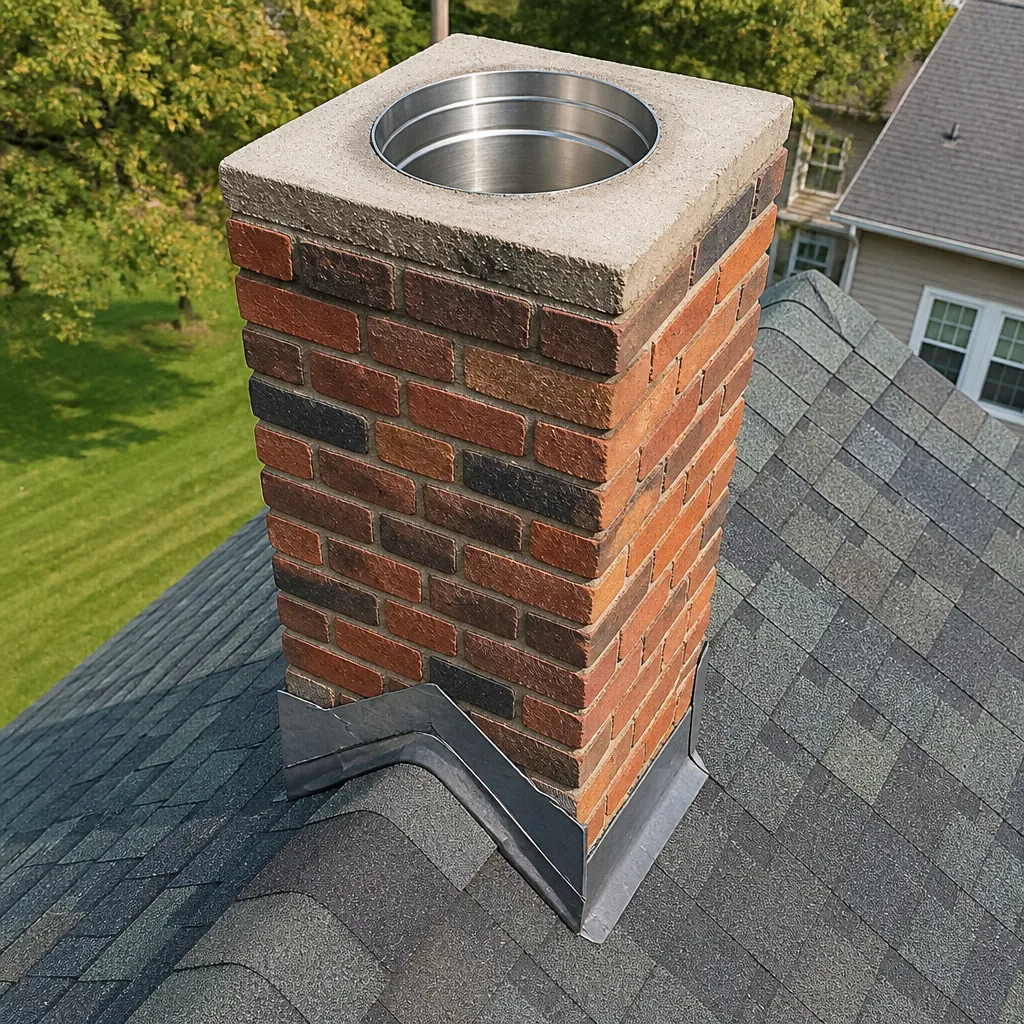
- Request specific attention to the crown wash. A proper crown slopes away from the flue and overhangs the brick by at least 2 inches. If it’s flat or cracked, water is entering the core.
- Check for efflorescence, the white powder that appears on brick faces. It’s mineral salts left by evaporating water, and it means moisture is moving through the masonry.
- Look for plant growth in joints. Moss and small weeds need sustained moisture to establish, which means the joint is acting as a reservoir.
Homes in Leominster’s hilly neighborhoods, like those off Route 12 toward Fitchburg, experience more severe wind-driven rain and faster freeze-thaw cycling than valley locations. If your chimney is on the northwest exposure, increase inspection frequency.
Spring repairs completed by June dry and cure properly before the next heating season. Masonry work attempted in October is often rushed, and the materials don’t achieve full strength before freeze-up.
Summer in Leominster: Why an Unused Chimney Still Needs Attention
The conventional wisdom says a chimney that’s not in use doesn’t need attention. The opposite is true. Summer is when moisture does its worst work on an idle flue, and the damage goes completely unnoticed because no one is looking.
Leominster’s summer humidity averages 70% in July and August. Warm, moist air enters the flue from the top, condenses on the cooler interior surfaces, and creates a wet environment that corrodes metal liners, degrades mortar between clay flue tiles, and supports mold growth in the smoke chamber. Without regular fires to dry the system, the moisture persists for months.
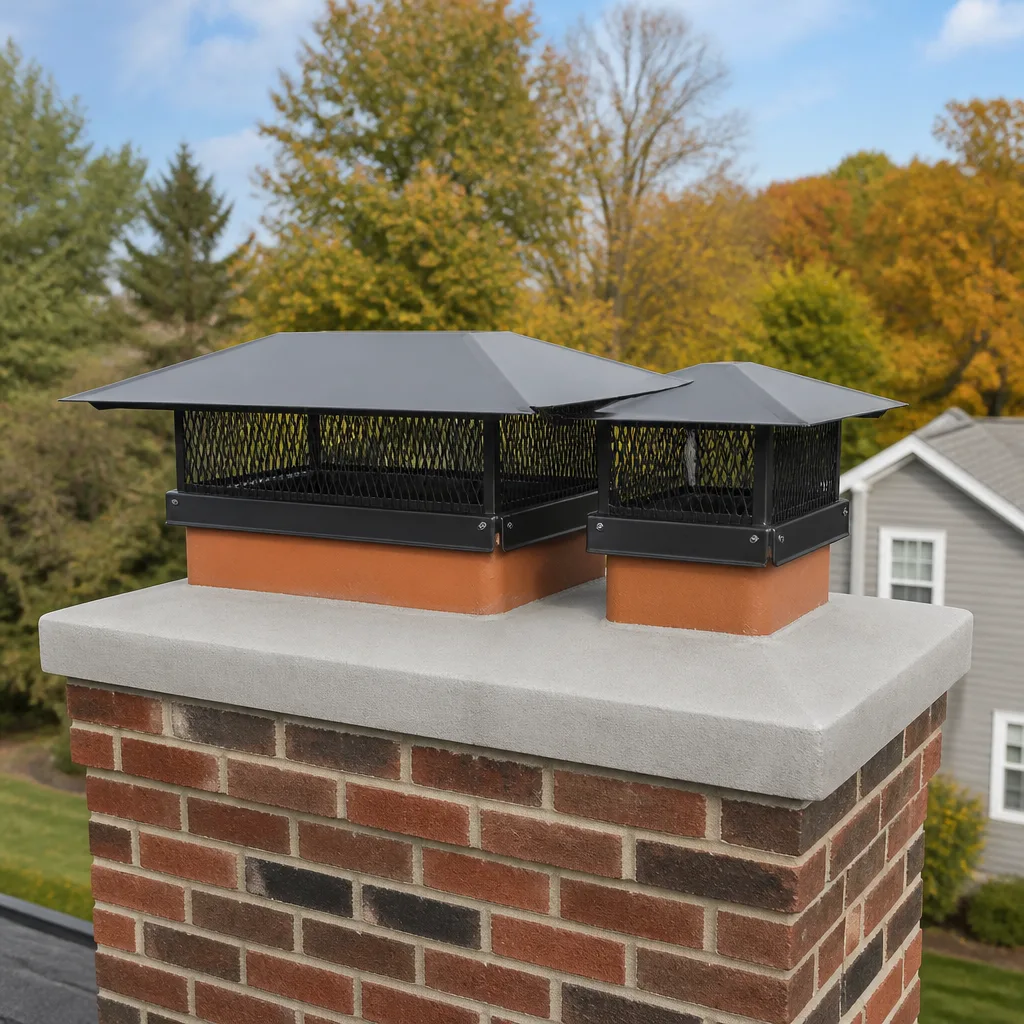
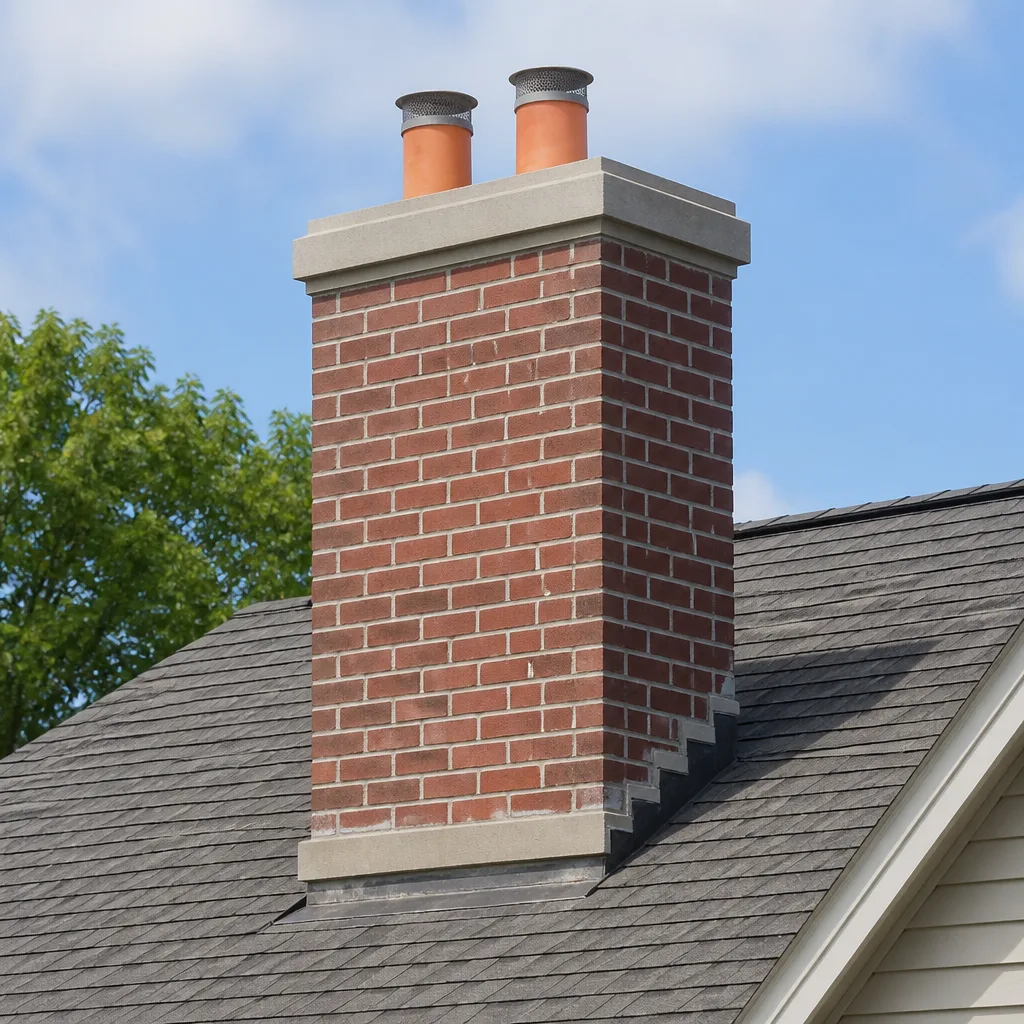
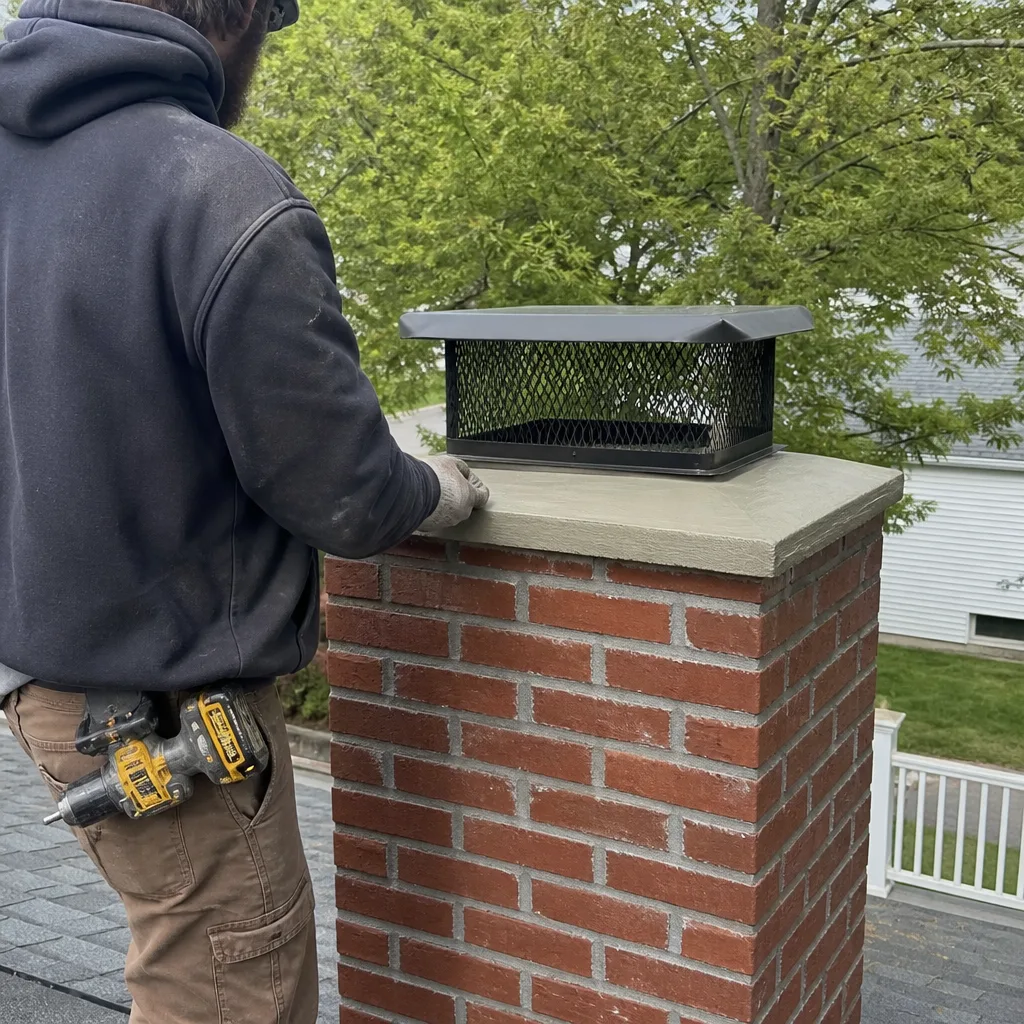
The cap is the first defense, and it’s where summer inspection should focus. A proper chimney cap, fabricated from stainless steel or copper, covers the flue opening with a mesh screen that keeps animals out while allowing ventilation. The cap we install from Gelco and Famco include welded seams and a minimum 5/8-inch mesh that meets Massachusetts code for spark arresting.
Caps fail in predictable ways: mesh corrodes at the weld points, the lid detaches in wind, or the mounting flange pulls away from the crown. A missing or damaged cap in June means three months of unimpeded rain and humidity entering the flue. By September, we’ve found rusted damper frames, deteriorated firebrick, and in metal chimneys, pinhole corrosion that wasn’t there in May.
Summer maintenance tasks:
- Visually inspect the cap from ground level with binoculars. Look for tilted lids, missing mesh sections, or gaps between the cap base and the crown.
- Check the firebox for odor. A musty smell indicates moisture accumulation and possible mold. This is common in Leominster homes with exterior chimneys on the north side.
- Verify that the damper closes fully. A warped or rusted damper that doesn’t seal allows humid house air to enter the flue and condense.
- Consider a top-sealing damper if you have persistent moisture problems. Unlike throat dampers, these mount at the flue top and seal with a silicone gasket, providing a much better moisture barrier.
Summer is also the ideal time for liner evaluation. If a camera inspection in spring revealed deterioration, summer scheduling means no pressure to complete work before the first cold night. We source liner materials from DuraFlex and Olympia Chimney through our Haven buying network, and we can show you the exact product specification before quoting.
The Chimney Repair in Leominster page covers crown rebuild, tuckpointing, and cap installation in detail.
Fall in Leominster: The Real Pre-Season Checklist
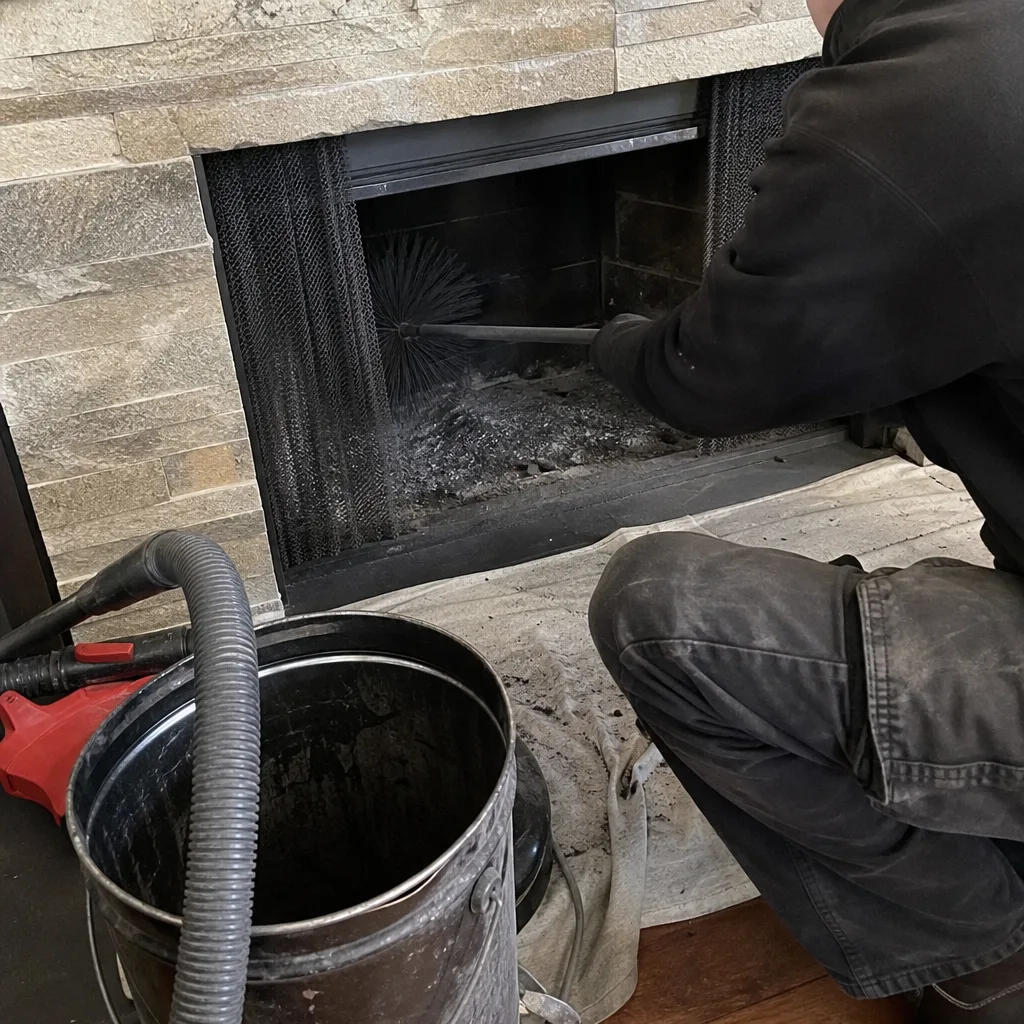
“Schedule your sweep” is the only advice most homeowners hear in August and September. It’s incomplete. A proper pre-season verification follows a sequence that checks combustion safety before cosmetic cleaning, and it should happen early enough to allow repair scheduling if problems are found.
We begin every fall service with the same protocol, developed from 38,000 inspections and formalized in the Haven Standard. Here’s the actual order of operations:
- Exterior assessment. Crown condition, cap security, flashing integrity, and visible masonry damage. We photograph everything before touching the interior.
- Combustion zone evaluation. Firebox brick condition, damper operation, and hearth extension dimensions. The hearth must extend 16 inches in front of the opening and 8 inches to each side for open fireplaces. Many Leominster homes built before 1980 don’t meet current clearances.
- Flue liner camera scan. NFPA 211 Level 2 standard: visual inspection of the entire flue length, smoke chamber, and accessible portions of the firebox. We document with photos and video, archived under Clause 4.
- Creosote measurement and classification. Stage 1 (sooty, brush-removable), Stage 2 (crunchy flakes, requires rotary chain), or Stage 3 (glazed, requires chemical treatment or replacement). We show the homeowner the classification and explain what it means for burn practices.
- Smoke test or draft measurement. Verifying that the chimney draws properly under operating conditions. Negative pressure from kitchen exhaust fans, tight construction, or competing appliances can reverse draft and spill combustion gases into the house.
- Written scope, written price, written warranty. Clause 1 of the Haven Standard. No work begins until the homeowner has all three documents.
The timing matters. In Leominster, competent sweep companies book solid by mid-September. Homeowners who wait for the first cold night to call often face November appointments, which leaves no margin if repairs are needed. We recommend scheduling in August for September service, which allows October repair completion before the heating season peaks; see our Chimney Cleaning Permits, Codes & Inspections in MA: What You Need to Know for regulatory context.
Fall is also when to verify that your homeowner’s insurance and any wood-burning appliance warranty remain valid. Many insurers now require documented annual inspection. Our photo records, stamped with date and technician identification, satisfy these requirements directly.
The Fireplace Services in Leominster page covers insert installation, gas conversion, and hearth modification.
When Your Home Has Multiple Heating Appliances
Leominster’s housing stock includes many homes with primary and backup heating systems: a wood stove in the living room, a gas furnace in the basement, a pellet stove in the addition, or a fireplace with an insert. Each appliance connects to a flue, and each flue has its own maintenance timeline. Treating them as a single system is a common error that creates both safety gaps and unnecessary expense.
Wood-burning appliances: Require annual sweeping if used as primary heat, every two years if supplemental. The cordwood burned matters. Oak, maple, and beech, properly seasoned, produce moderate creosote. Softwoods like pine burn hotter and cleaner than reputation suggests if dry, but they burn faster and require more frequent loading, which tempts owners to damp the stove and create smoldering conditions.
Gas appliances: Don’t produce creosote, but they do produce water vapor and corrosive condensation, especially in high-efficiency units with cool exhaust. The liners for gas appliances degrade differently than those for wood, and a liner suitable for wood may be wrong for gas. We inspect gas flues with the same camera protocol, looking for condensate damage and proper liner pairing.
Pellet stoves: Burn very cleanly but require specific venting. Pellet vent is not chimney flue, and retrofitting pellet exhaust into an existing masonry chimney often requires a listed liner system. The ash accumulation in pellet appliances is fine and corrosive; the burn pot and exhaust path need cleaning every ton of pellets burned, typically mid-season.
Overlapping schedules create complexity: A home with a wood stove and gas furnace sharing a chimney needs separate flues, each inspected on its own cycle. A home with a fireplace and a basement oil furnace may have the furnace venting into the fireplace flue, a configuration that was common in Leominster’s 1960s ranch construction and is now recognized as hazardous. The oil furnace’s sulfur-laden exhaust condenses on the cooler upper flue, producing sulfuric acid that destroys mortar.
We map these configurations during our initial inspection and provide a written maintenance calendar for each appliance. The goal is no surprises: you know what’s due when, and you know what it costs before we start.
What Chimney Service Costs in Leominster, Season by Season
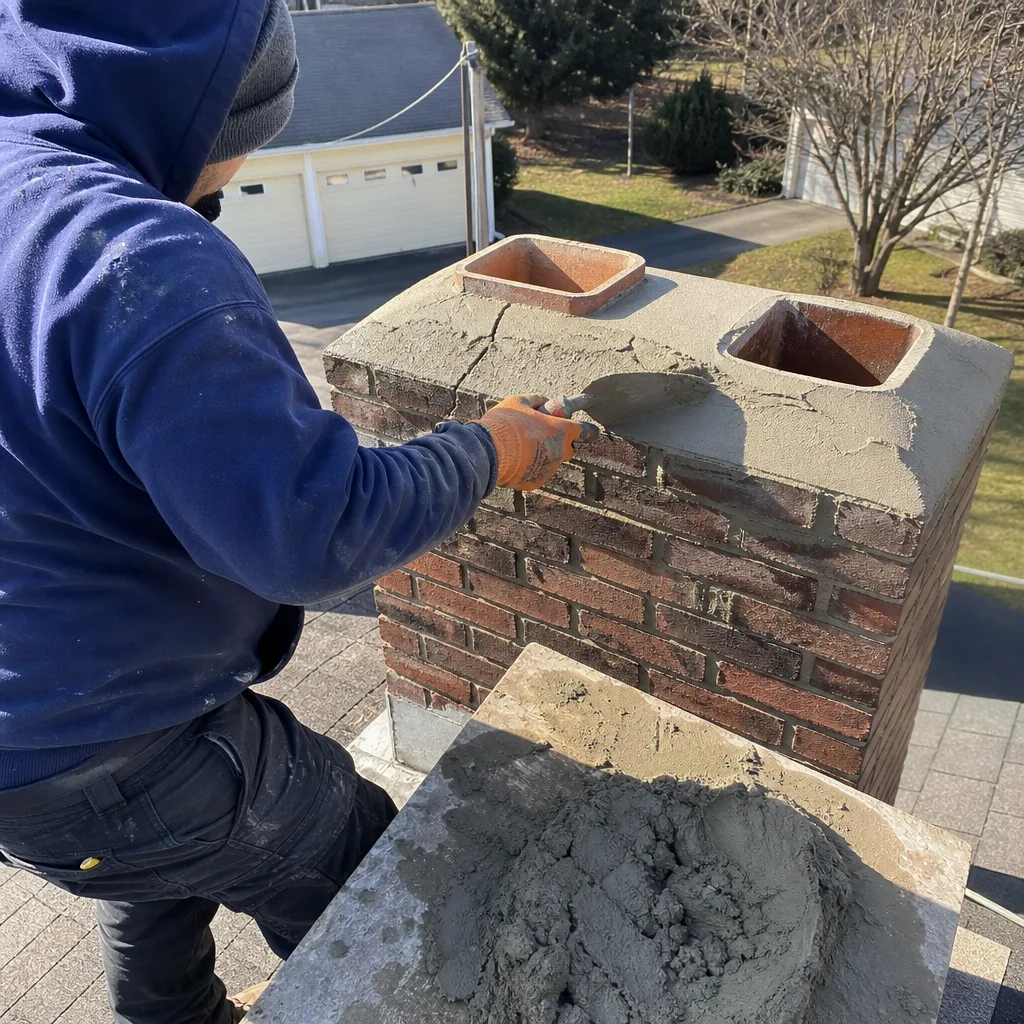
Price transparency is Clause 1 of the Haven Standard. For a detailed breakdown, see our Chimney Cleaning Cost Breakdown: The Leominster Homeowner’s Reference for 2026. Below are the service ranges we see in the Leominster market for 2024-2025. Every job is quoted in writing before work begins, with no exceptions.
| Service | Typical Range in Leominster | Best Season to Schedule |
|---|---|---|
| NFPA 211 Level 2 inspection with camera scan | $249 - $349 | Spring or summer (availability, full documentation time) |
| Standard chimney sweep (Stage 1 creosote) | $189 - $259 | Fall (pre-season) or mid-winter (if heavy use) |
| Rotary chain cleaning (Stage 2 creosote) | $289 - $419 | Spring (allows cure time for any chemical treatment) |
| Glaze removal / chemical treatment (Stage 3) | $450 - $750 | Summer (multiple applications with drying time) |
| Crown wash repair | $350 - $650 | Spring or early summer (cure before freeze) |
| Stainless steel chimney cap (installed) | $225 - $425 | Summer (no weather delay) |
| Partial tuckpointing (up to 20 sq ft) | $650 - $1,200 | Spring or summer (mortar cure time) |
| Flue liner repair with HeatShield | $1,800 - $3,500 | Summer (full cure before use) |
| Stainless steel liner installation (straight flue) | $2,800 - $4,500 | Summer or early fall |
These ranges reflect actual Leominster market conditions, including material costs from our Haven buying network and labor rates for background-checked, uniformed technicians. We provide a Free Second Opinion on any competitor’s written estimate, no obligation.
Factors that increase cost: multiple flues, steep roof pitch requiring ladder work beyond standard 8/12, historic masonry requiring matching mortar analysis, and concealed damage found during camera inspection. We show you the photos, explain what we found, and give you a written price for options before any additional work proceeds.
Common Mistakes to Avoid
- Waiting for “sweep season” in October. By then, every reputable company in Leominster is booked three weeks out, and any repairs push into November cold. Spring and summer scheduling gives you time, attention, and often better pricing.
- Hiring based on the lowest phone quote. A “$99 sweep” special typically excludes the camera inspection, omits the written report, and finds “urgent” repairs once the technician is in your home. Our price is our price, in writing, before we start.
- Assuming gas means no maintenance. Gas flues degrade from condensate, not creosote, and the damage is invisible without a camera. We’ve replaced gas liners in Leominster homes where the homeowner assumed “clean burning” meant “no inspection needed.”
- Ignoring the cap after installation. Caps are not permanent. Wind, ice, and animal impact damage them. A cap installed in 2015 may be failing now; we inspect it as part of every service.
- Burning unseasoned wood “because it’s cheaper.” Wet wood costs more in the long run: accelerated creosote, more frequent sweeping, shorter appliance life, and higher risk of chimney fire. In Leominster, buy wood in spring and store it elevated, covered, with sides open to airflow.
- Using the fireplace as a furnace substitute. Open fireplaces are inefficient heaters. They draw heated house air up the flue, creating negative pressure that pulls cold air in elsewhere. A fireplace insert or stove, properly lined, converts that same fuel to useful heat without the waste.
- Skipping inspection after a chimney fire. Even a “small” chimney fire cracks flue liners, damages mortar, and opens paths for carbon monoxide. If you’ve had a fire, you need a Level 2 inspection before the next use, period.
When to Call a Professional
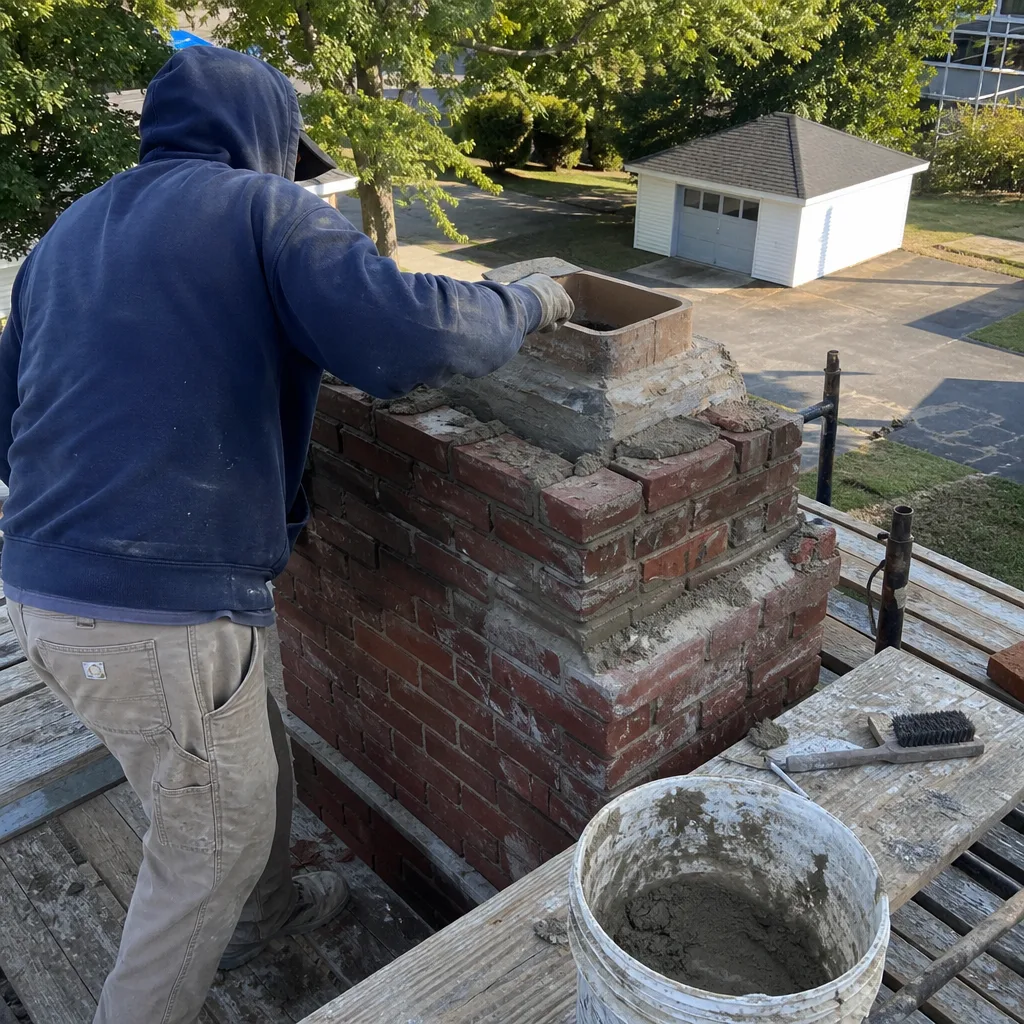
Call for immediate inspection if you notice smoke entering the room during a fire, a strong hot smell from walls near the chimney, visible cracks in the firebox, or debris falling into the fireplace. These indicate active hazards that require professional evaluation before the next burn.
Schedule proactive service if it’s been more than 12 months since your last camera-inspected sweep, if you’ve purchased a home with an unknown chimney history, or if you’re changing fuel types (wood to gas, or adding a pellet appliance). In Leominster, where many homes have changed hands in the 2015-2025 period, unknown chimney condition is common and risky.
Level Two Chimney Leominster offers free estimates in Leominster. Every estimate includes a written scope, written price, and written warranty under the Haven Standard. Call (978) 481-2900 to schedule, or reach us through our Level Two Chimney Leominster home page. Live phone support runs 24 hours a day, 7 days a week.
Frequently Asked Questions
A standard chimney sweep in Leominster typically costs between $189 and $259 for Stage 1 (sooty) creosote, with a full NFPA 211 Level 2 camera inspection adding $249 to $349. We provide a written price before any work begins, and our Free Second Opinion policy applies to any competitor’s written quote. Call (978) 481-2900 for an exact quote - estimates are free.
You need a new liner when the existing one is cracked, corroded, or improperly sized for your appliance, and we don’t recommend replacement without camera evidence you can see for yourself. In our experience, about 30% of Leominster chimneys inspected show liner damage that requires repair or replacement; the other 70% do not. If your liner is sound, we’ll document that and show you the photos. Call (978) 481-2900 to schedule a camera inspection.
NFPA 211 recommends annual inspection for all chimneys, with sweeping frequency determined by use and creosote accumulation. In Leominster, homes burning two or more cords of wood per season as primary heat need annual sweeping; supplemental use may extend to every two years if inspection confirms low buildup. Gas and pellet appliances need annual inspection but typically less frequent cleaning. The only way to know your specific interval is camera measurement, not calendar guessing.
Skipped maintenance leads to three predictable outcomes: creosote accumulation that fuels chimney fires, moisture intrusion that destroys masonry from inside, and liner degradation that allows carbon monoxide or combustion gases into living spaces. In Leominster’s freeze-thaw climate, the masonry damage accelerates dramatically once water entry begins. The cost of deferred maintenance typically exceeds preventive care by three to five times when failure finally forces action.
Homeowners can remove light Stage 1 soot from a straight flue with proper brushes and rods, but they cannot safely evaluate liner condition, measure creosote classification, or identify combustion zone hazards without training and camera equipment. The NFPA 211 Level 2 inspection that we perform requires specialized tools and documented training. For the cost of purchasing adequate equipment, you could have three professional inspections with full documentation. More critically, DIY cleaning misses the problems that actually kill people: cracked liners, blocked flues, and improper clearances.
Summer chimney odor comes from moisture-activated deposits in the flue: creosote that becomes pungent when humid, animal nesting material that decays, or mold growing on damp masonry. The solution is identifying the moisture source, typically a missing or damaged cap, and removing the deposits through proper sweeping. A top-sealing damper, which we can install, eliminates the odor by sealing the flue at the top rather than the throat.
A Level 1 inspection is a visual examination of accessible portions of the chimney exterior and interior, appropriate for chimneys with unchanged conditions and continued use. A Level 2 inspection adds camera scanning of the entire flue interior, accessible attics and crawl spaces, and evaluation of clearance to combustibles, required for home sales, new appliance installation, or after chimney fires or seismic events. Level Two Chimney Leominster performs Level 2 as our default on every visit, a practice we established in 2009 that became Clause 4 of the Haven Standard.
The Bottom Line
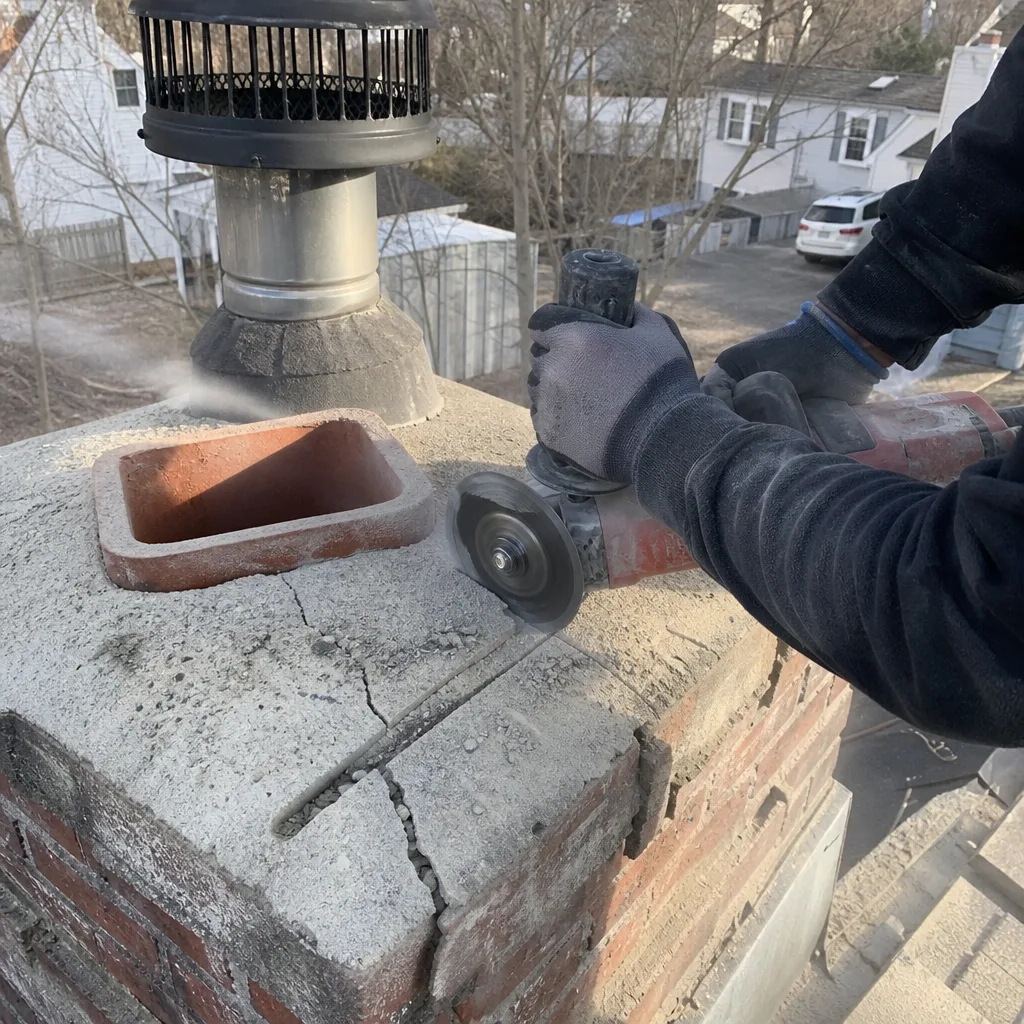
Leominster’s four-season climate creates four distinct chimney hazards, and each demands specific attention at the right time. Winter’s cold drafts accelerate creosote. Spring’s freeze-thaw cycle destroys masonry. Summer’s humidity corrodes idle flues. Fall’s rush tempts shortcuts. The homeowners who avoid costly surprises treat chimney care as year-round maintenance, not a single October appointment, and can find more guides & resources on our blog. Document what you have, address what’s failing, and schedule with margin for repair. The camera doesn’t lie, and the written price protects you both.
Written by Corrine Halstead, Owner at Level Two Chimney Leominster, serving Leominster since 2009.