
Last updated September 22, 2026
Level 1 sweep and inspection to the NFPA 211 annual standard - flue, crown, cap, and flashing checked and photographed
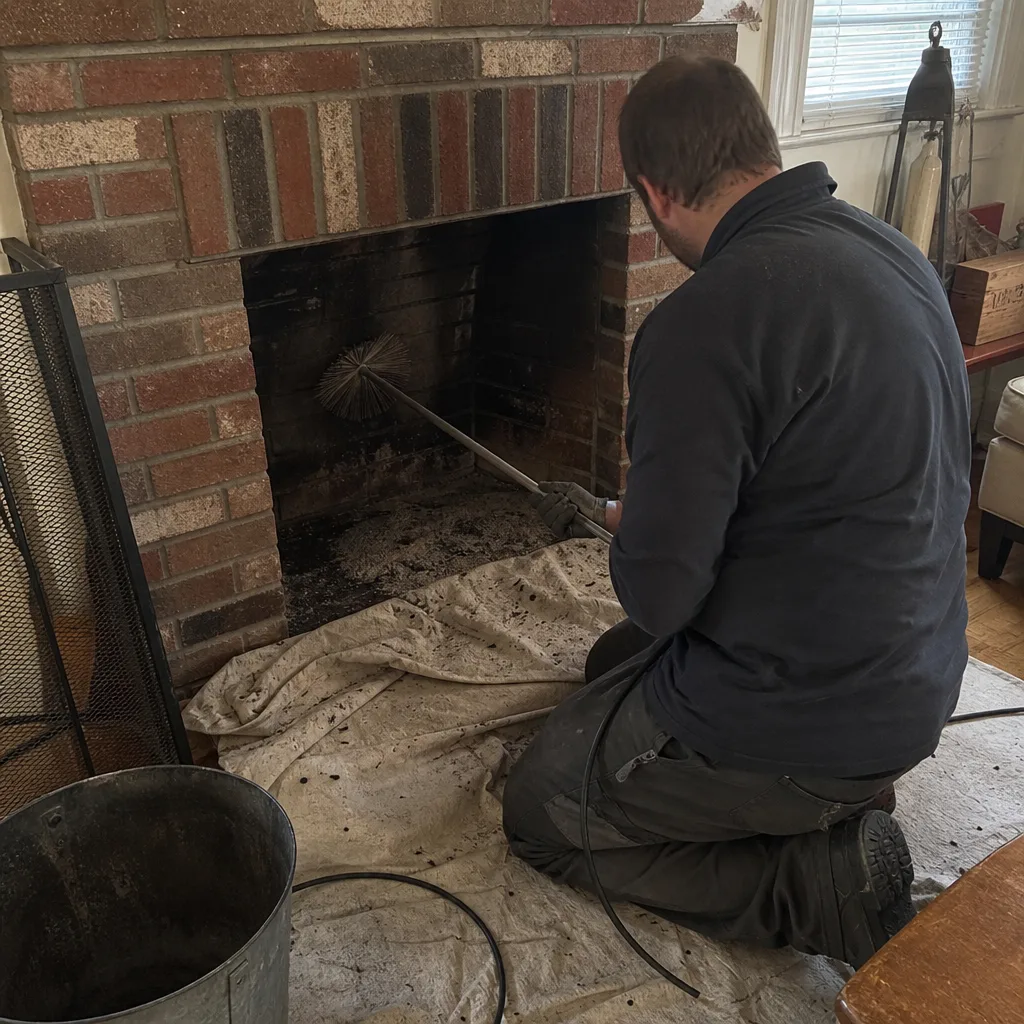
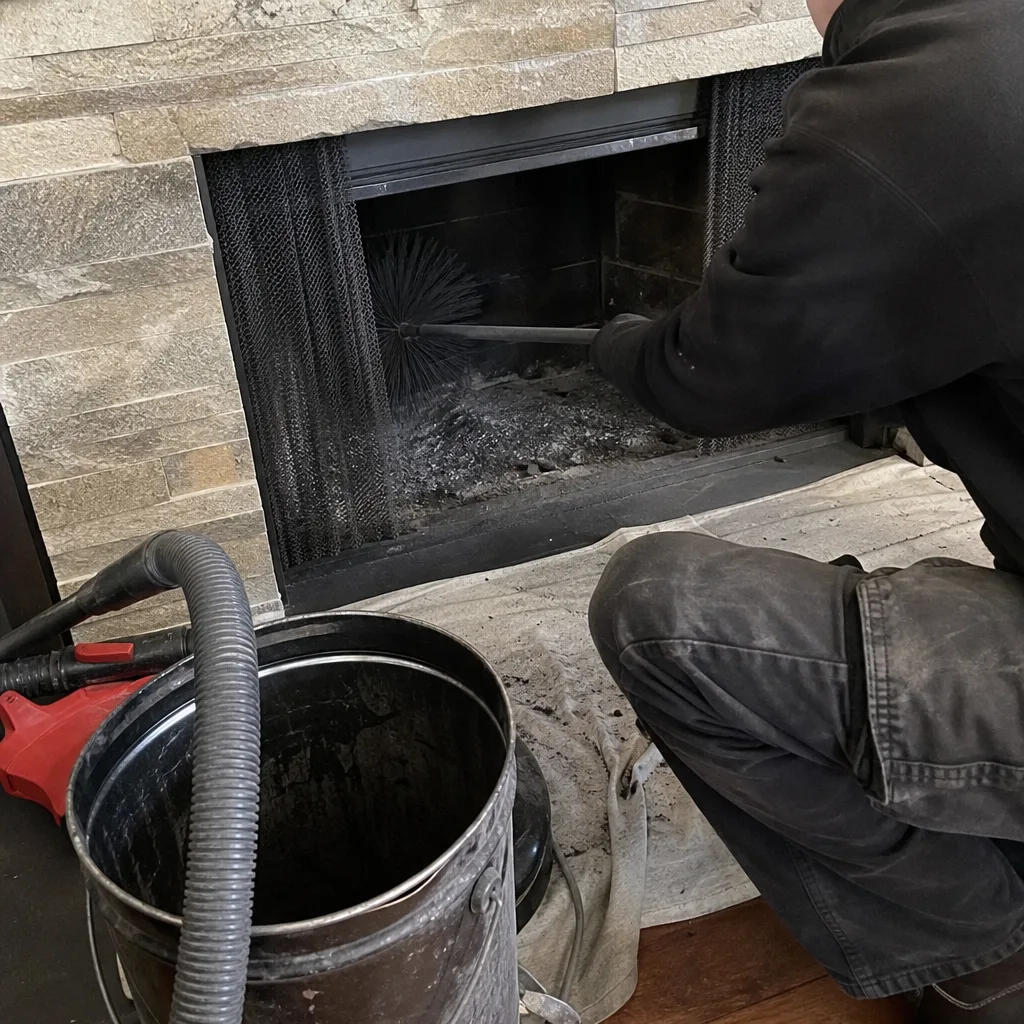
Chimney sweep logs do not sweep chimneys. They loosen some creosote - which then falls where a brush and vacuum still have to collect it.
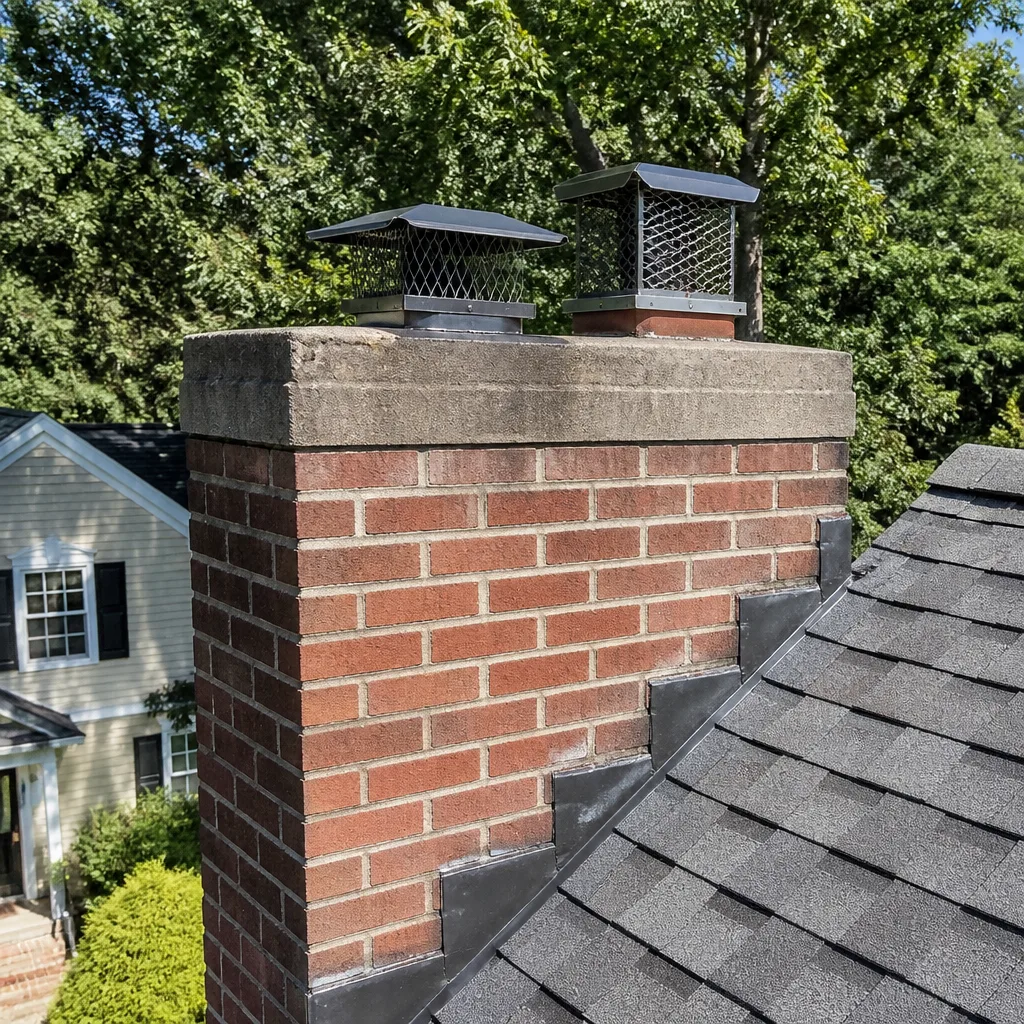
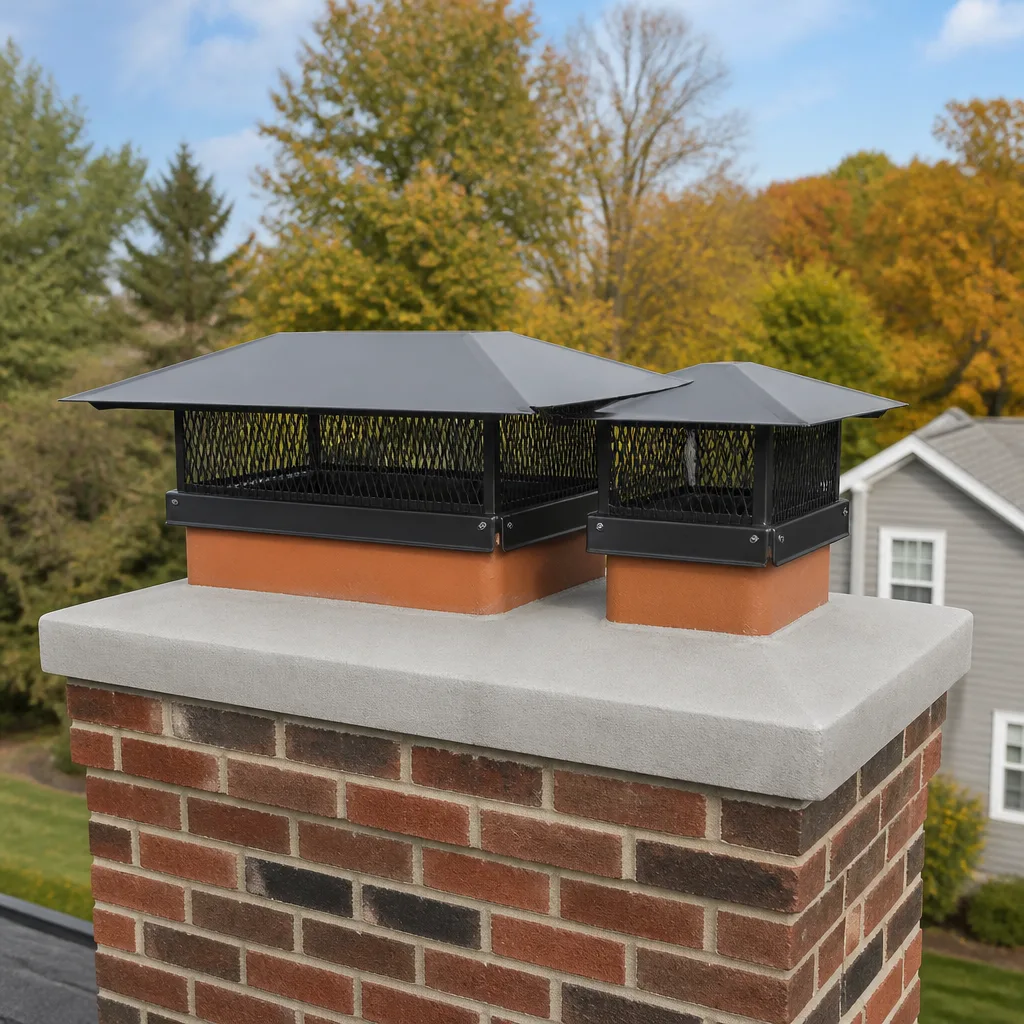
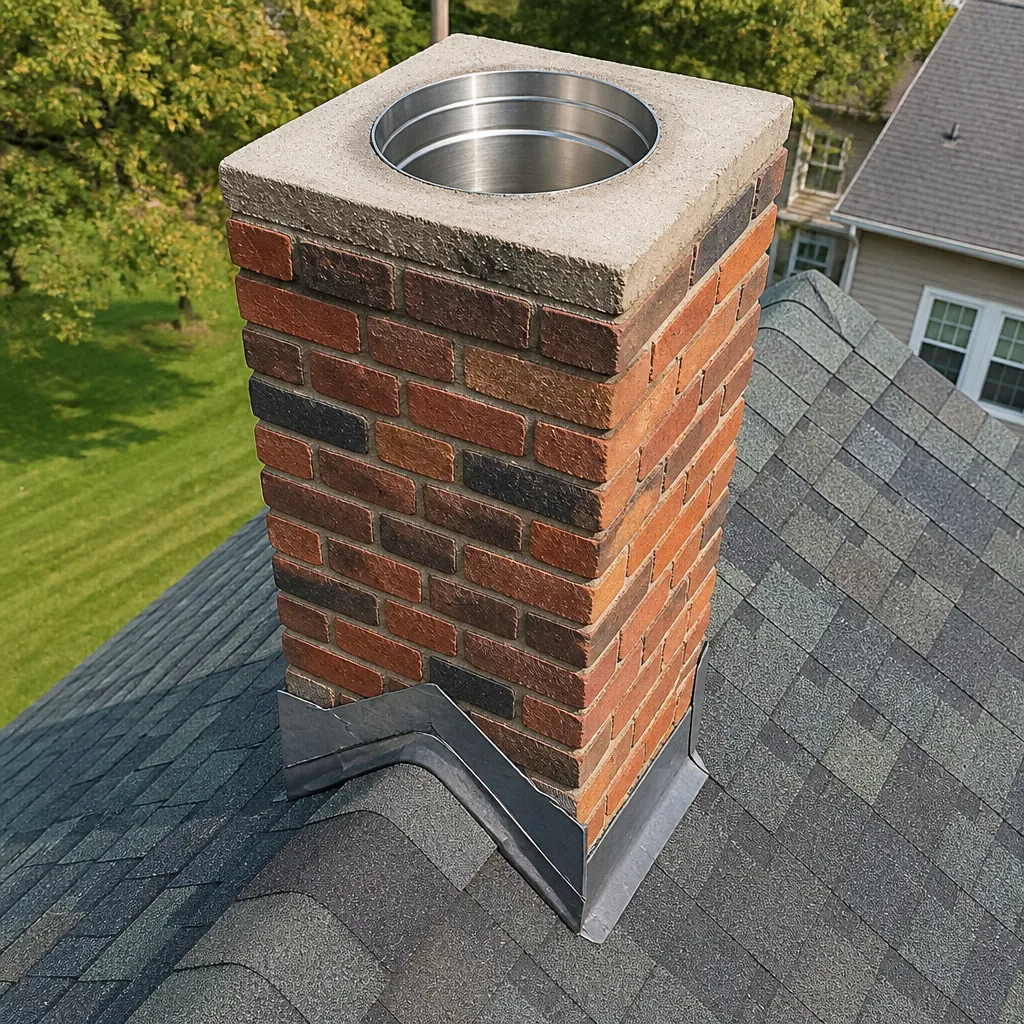
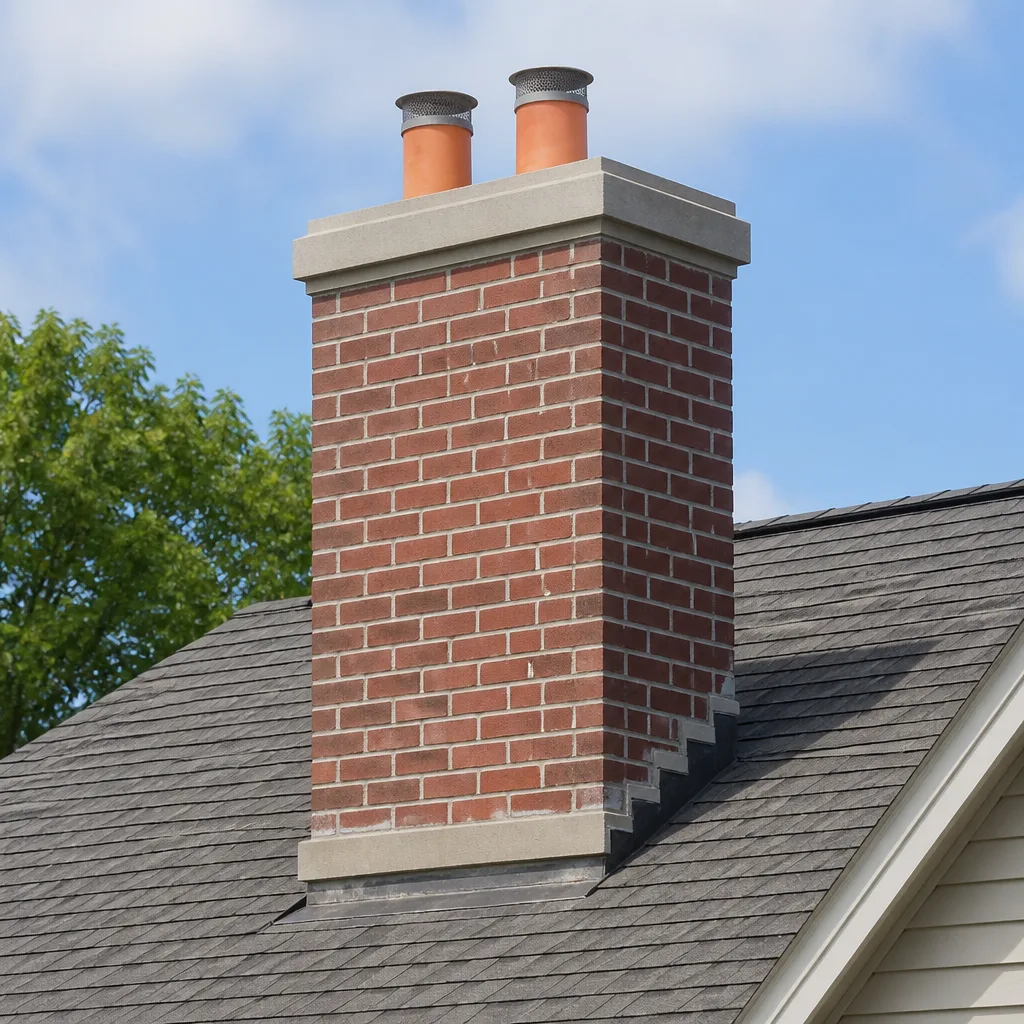
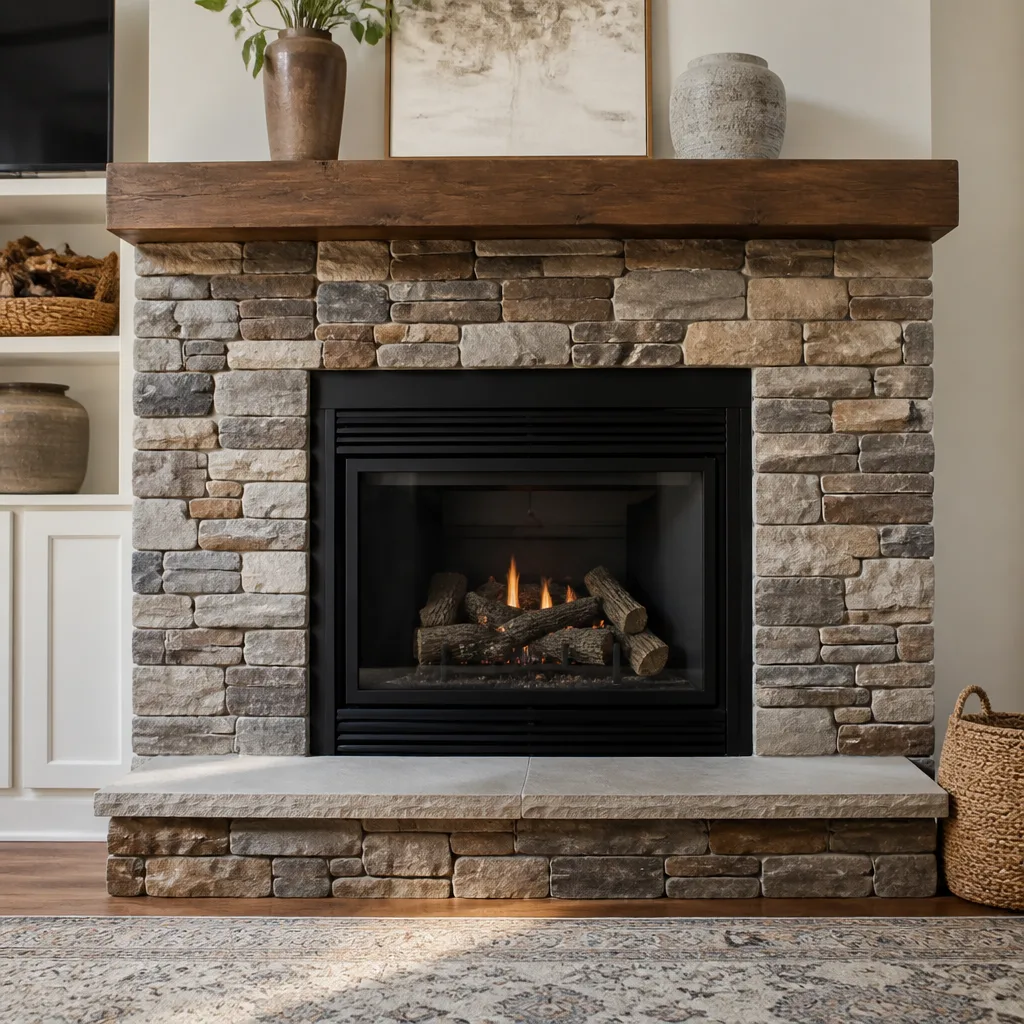
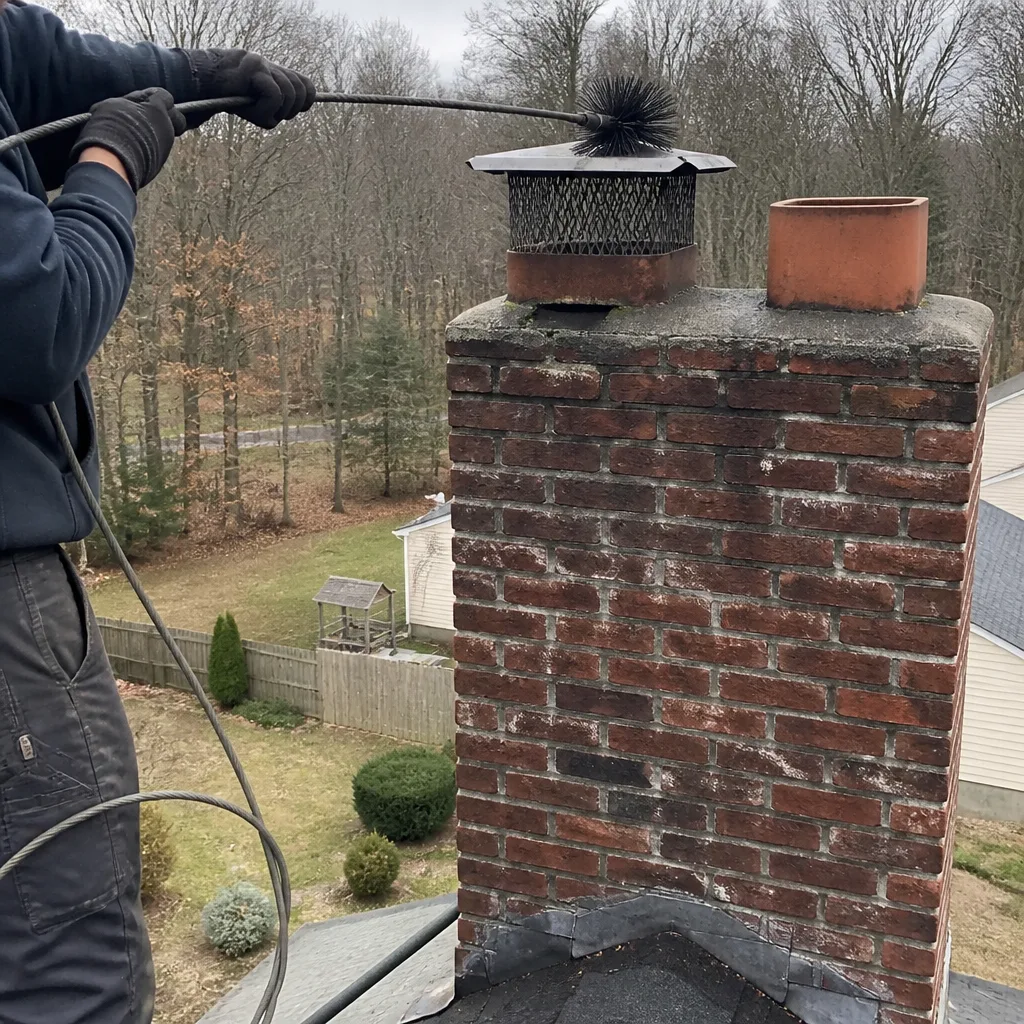 Before
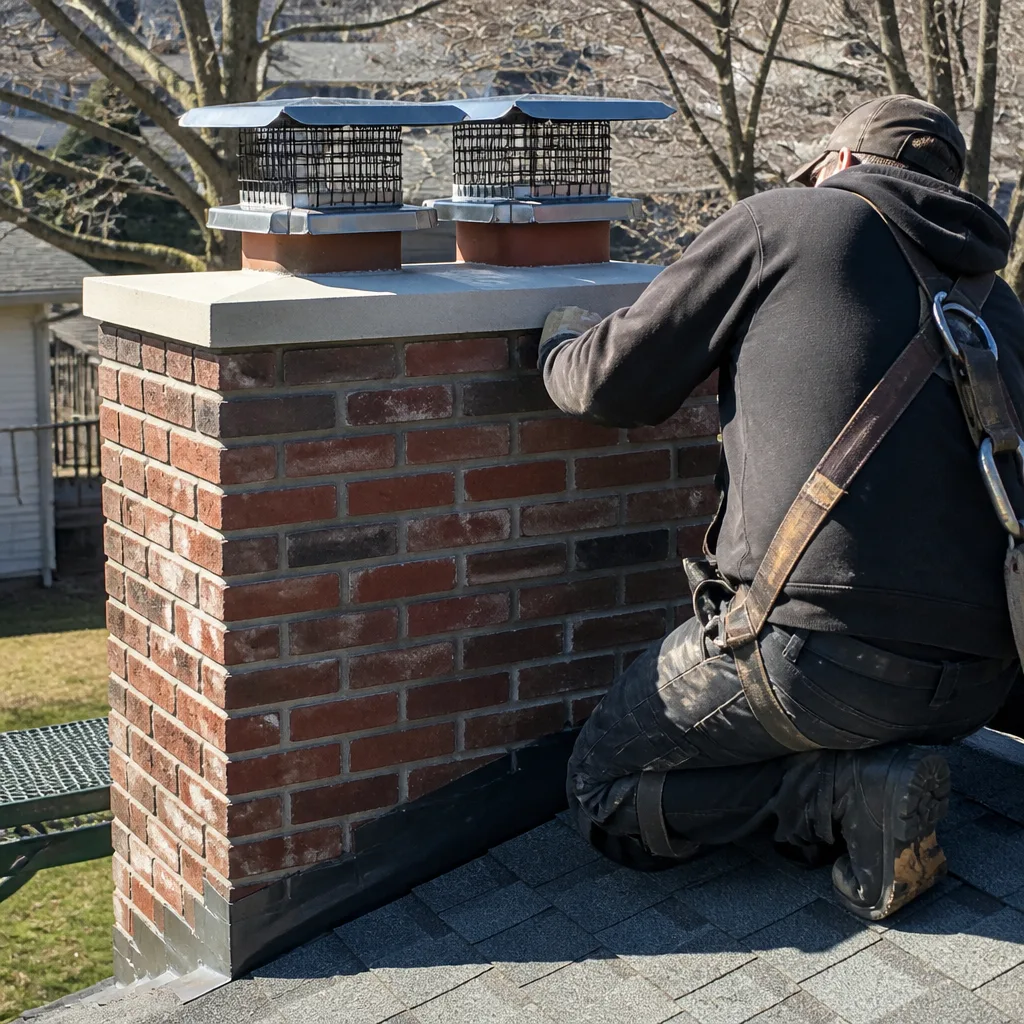 After
After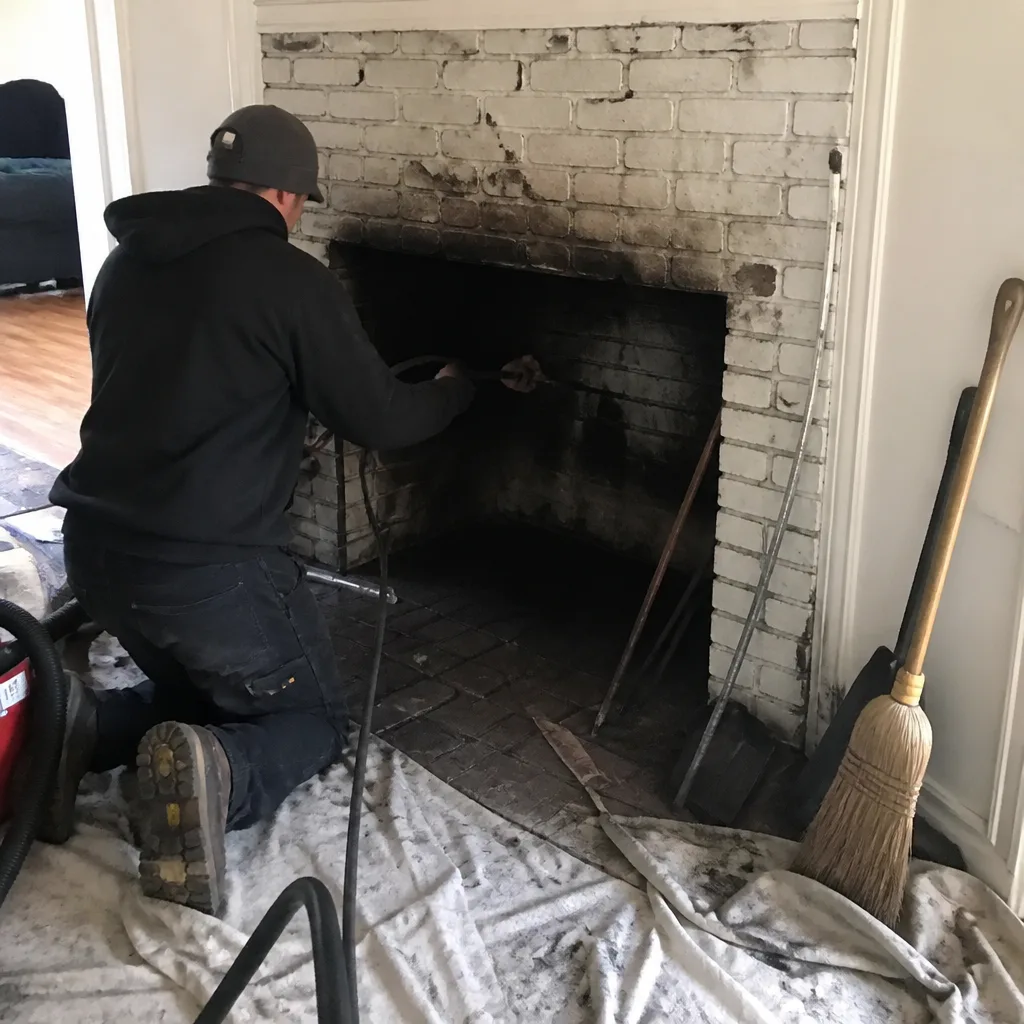 Before
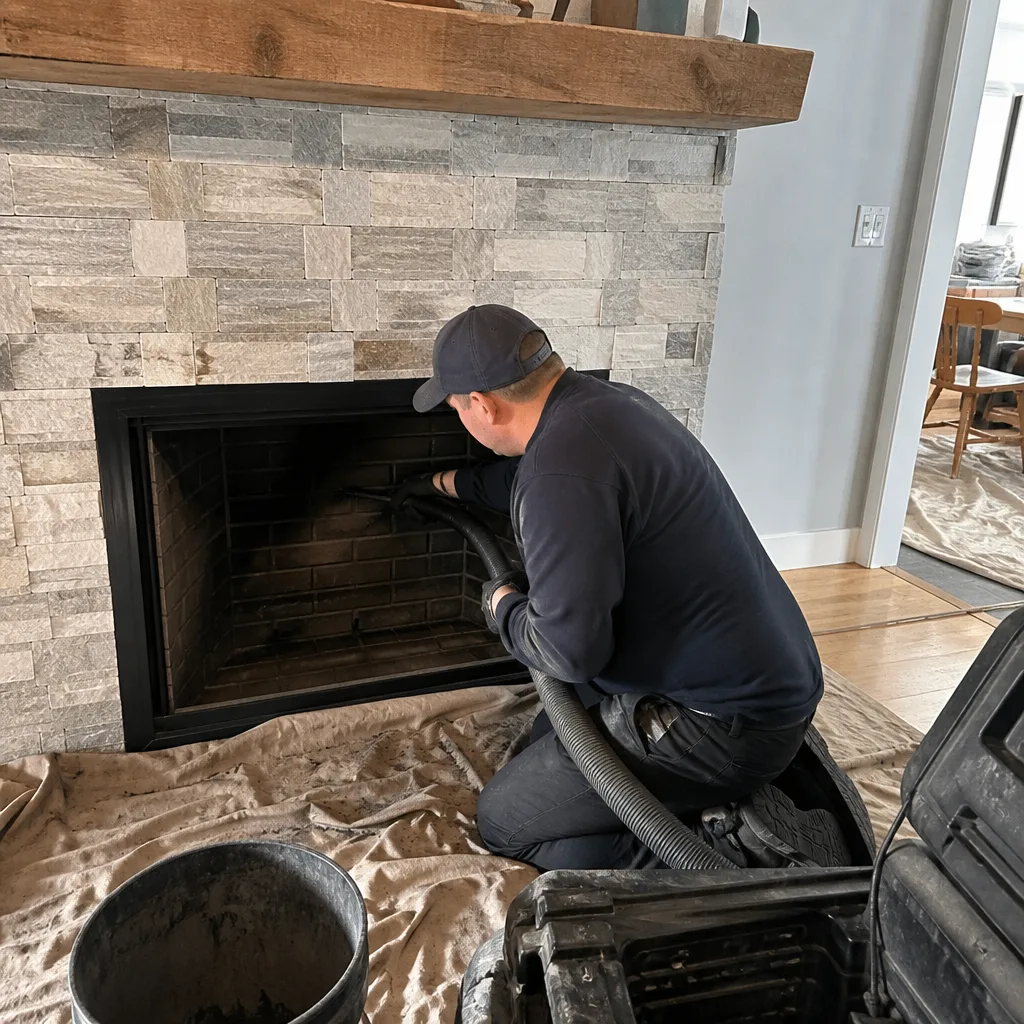 After
After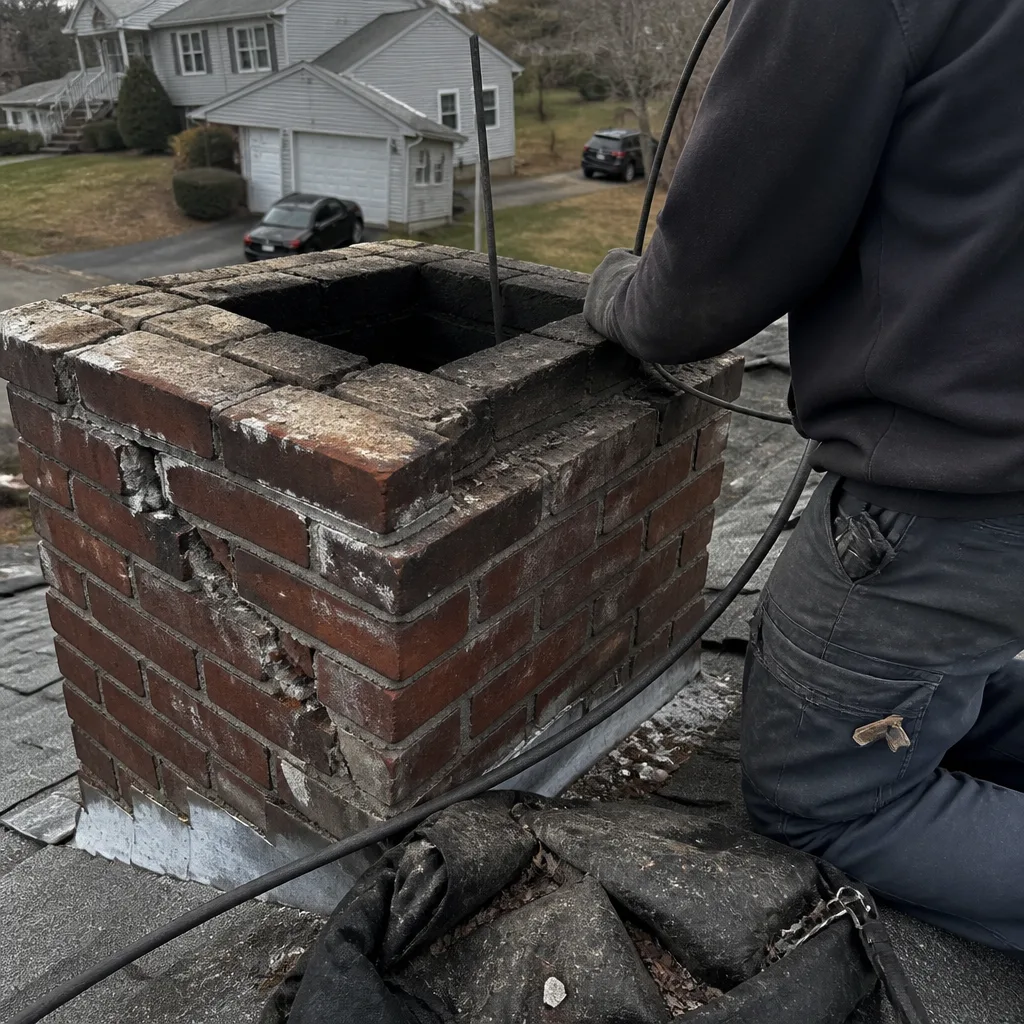 Before
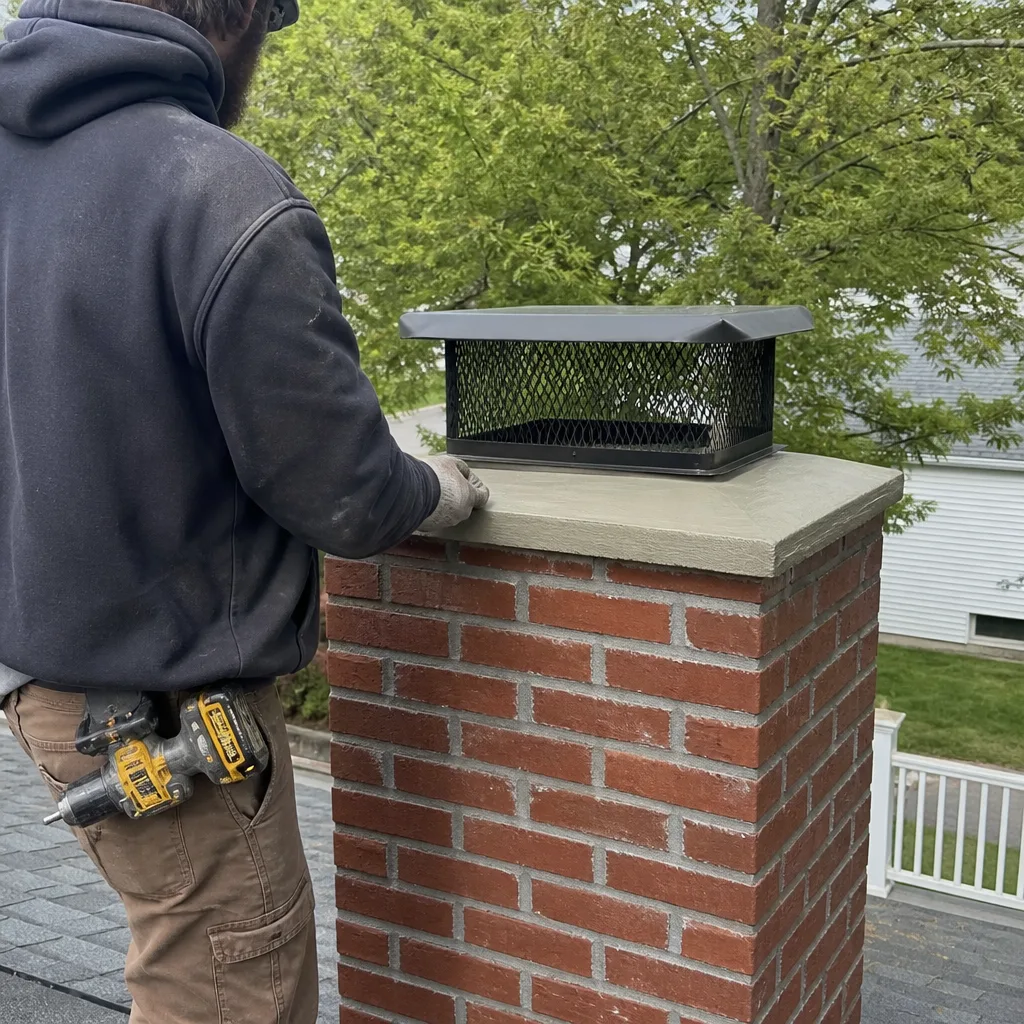 After
AfterChimney Cleaning Warning Signs: A Leominster Homeowner’s Reference Guide
That white, chalky stain creeping down your exterior brick? It has a name, and it’s not dirt. We call it efflorescence, and in Leominster’s freeze-thaw climate, it means water is actively moving through your masonry, carrying dissolved salts to the surface. Every cycle of moisture penetration and freezing widens micro-fractures in the brick and mortar, which eventually reach the flue liner. By the time you notice it from the ground, the damage behind it is rarely cosmetic. This guide teaches you to name what you’re seeing, understand what it means mechanically, and describe it precisely when you call-complementing our Complete Guide to Chimney Cleaning in Leominster. That precision gets the right technician and the right equipment to your Leominster home on the first visit.
Quick Answer
The most critical chimney warning signs visible from the ground are: white efflorescence or spalling brick (water intrusion), oily black staining above the firebox (Class III creosote or liner breach), smoke rolling back into the room (draft failure or blockage), and sulfur or asphalt odors (active flue gas leak or advanced creosote buildup). Each symptom points to a specific mechanical failure. A camera inspection confirms the diagnosis before any repair quote is written.
Table of Contents
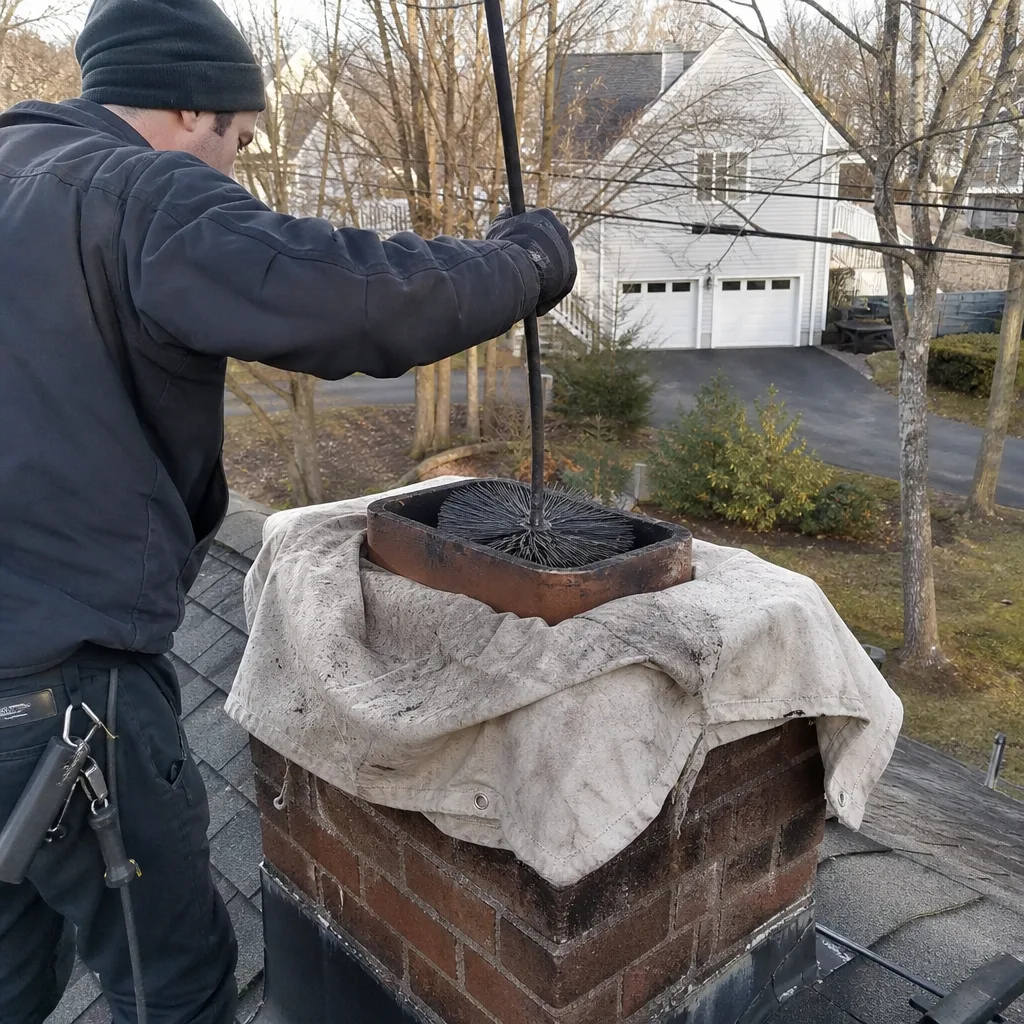
- Exterior Warning Signs You Can See From the Ground
- Interior Warning Signs Around the Fireplace
- What Chimney Odors Mean: A Diagnostic Guide
- Gas Insert Warning Signs vs. Wood-Burning Fireplace Warning Signs
- When a Ground Check Isn’t Enough: Symptoms That Demand Camera Confirmation
- How to Document a Warning Sign With Your Phone
- Leominster-Specific Risk Factors: Climate, Codes, and Common Findings
- Common Mistakes to Avoid
- When to Call a Professional
- Frequently Asked Questions
 Before
 After
AfterExterior Warning Signs You Can See From the Ground
Exterior symptoms are the most under-reported warning signs because homeowners mistake them for aging or weathering. In our experience across Leominster’s older neighborhoods, from the triple-deckers near downtown to the ranch homes off Route 117, exterior signs often predate interior symptoms by one to two burning seasons-a pattern we detail in our DIY vs Professional Chimney Cleaning guide.
Efflorescence
Efflorescence is the white, powdery deposit you see on brick, concrete, or stone surfaces. It forms when water dissolves naturally occurring salts in the masonry, carries them to the surface, and leaves them behind as the water evaporates. The salt itself is harmless. The water movement is not.
In Leominster, where January temperatures regularly drop below 15°F and spring thaw brings rapid moisture cycling, water trapped in masonry freezes, expands, and creates micro-fractures. Each cycle deepens the cracks. When those cracks reach the flue liner, you have a pathway for combustion gases to escape into the wall cavity and for exterior air to disrupt draft.
What efflorescence rules out: a simple crown crack or flashing gap, if the staining is widespread and below the roofline. What it rules in: systemic water intrusion, potentially failed mortar joints, compromised liner, or missing chimney cricket on the roof slope.
Spalling
Spalling is when the face of the brick flakes, pops, or crumbles off. It happens when water enters the brick, freezes, and the expansion force exceeds the tensile strength of the fired clay. You’ll see pitted surfaces, missing corners, or entire faces of brick lying in the yard or gutter below.
Spalling brick is past the warning stage for the masonry itself. The structural integrity of the chimney is compromised. In Leominster, we see accelerated spalling on north-facing exposures and where gutters overflow onto the chimney shoulder. Once spalling begins, tuckpointing (grinding out and replacing failed mortar joints) is the minimum repair. If the spalling extends below the roofline or involves multiple courses, partial rebuild is typically required.
Missing or Deteriorated Crown
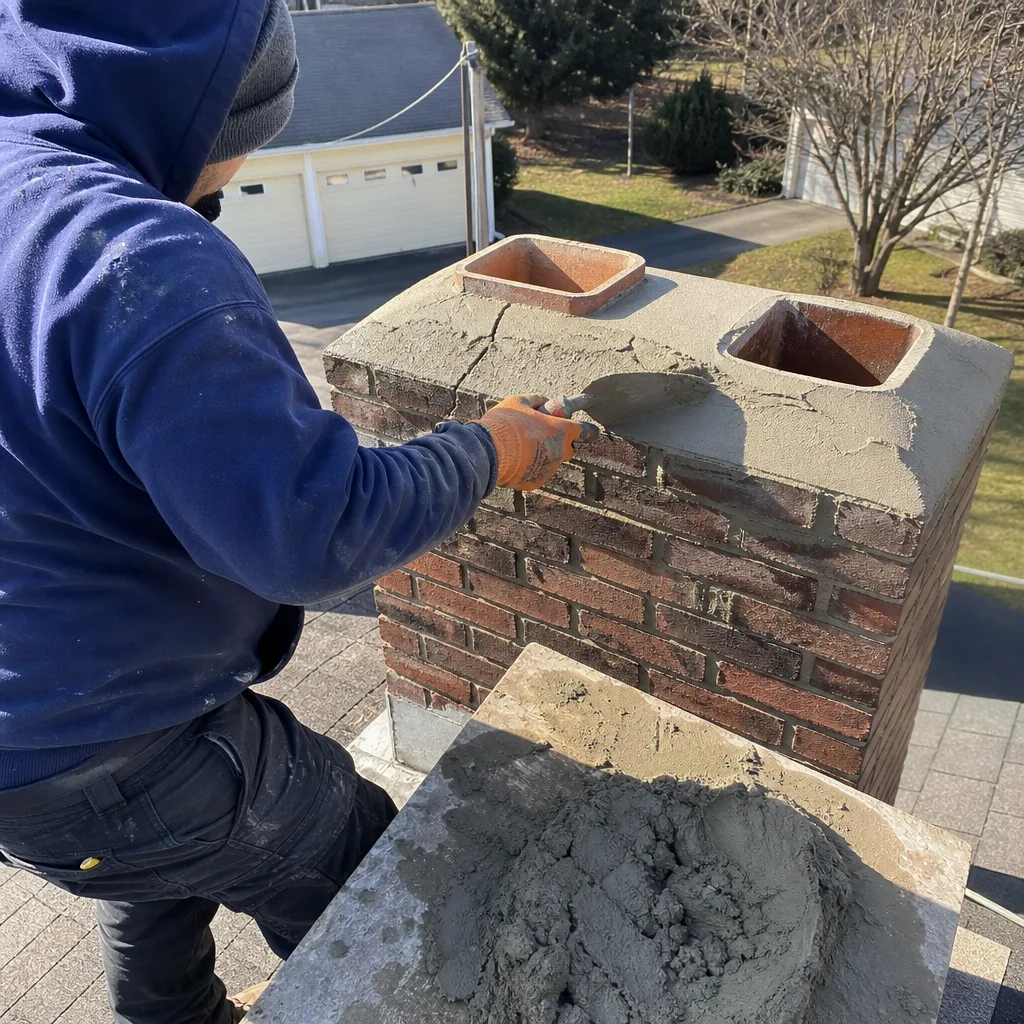
The crown is the concrete or mortar cap that seals the top of the chimney, shedding water away from the flue opening. A proper crown has a minimum 2-inch overhang beyond the chimney wall and a drip edge underneath. Crowns without this overhang, or those poured flat, direct water into the masonry rather than away from it.
From the ground, look for: cracks running across the crown surface, pieces missing from the edges, or a crown that appears flush with the brick face (no overhang). Hairline cracks in a crown can be sealed with a flexible crown sealant product like those from Copperfield. Cracks wider than 1/8 inch, or crowns that have settled or separated from the flue tile, require rebuilding.
Damaged or Missing Flashing
Flashing is the metal intersection where the chimney penetrates the roof. Leominster’s heavy snow loads and ice dam seasons stress this joint severely. From the ground with binoculars, look for: lifted or torn shingles at the chimney base, visible gaps where the metal meets brick, or rust stains on the roof below the chimney.
Failed flashing is the single most common source of water damage we find during Level 2 inspections in Leominster homes. Water entering at the flashing runs down the interior chimney chase, saturating insulation, ceiling drywall, and the structural framing. By the time a ceiling stain appears inside, the damage behind the wall is extensive.
Leaning or Separated Chimney
A chimney that leans away from the house, or shows visible gaps where it meets the exterior wall, indicates foundation settlement, failing footing, or deteriorated lateral support straps. This is a structural emergency, not a maintenance item. Do not use the fireplace. The chimney can collapse, and the gap allows direct fire path to combustible framing.
Interior Warning Signs Around the Fireplace
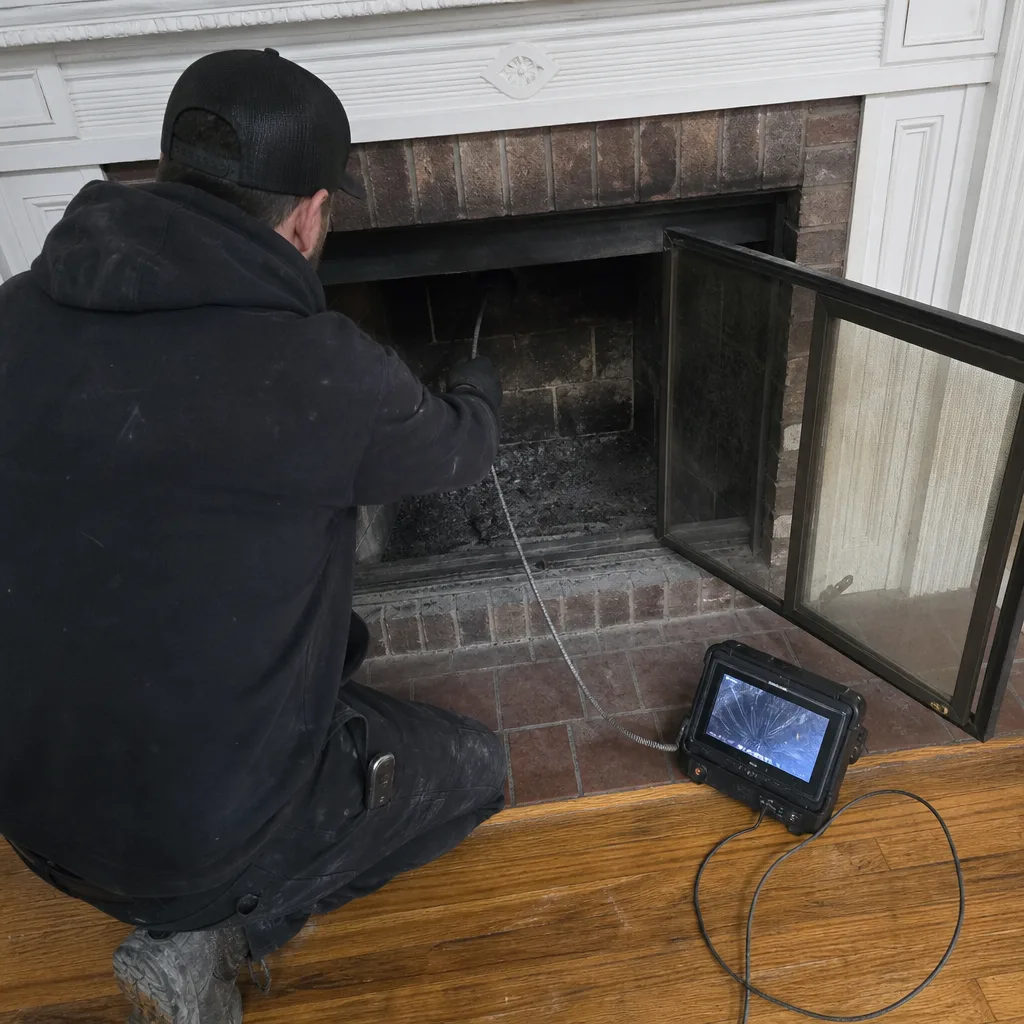
Interior symptoms often develop faster than exterior ones because they’re directly exposed to combustion byproducts and heat cycling. The key is distinguishing between normal operation residue and abnormal warning signs.
Oily Black Staining Above the Firebox
This is one of the most serious visible warnings. A thick, tar-like, black or dark brown stain on the face brick, lintel, or damper area above the firebox indicates Class III creosote, also called glazed creosote. This is not ordinary soot. Class III creosote is a hardened, highly combustible deposit that forms when wood burns incompletely, typically due to restricted air supply, wet wood, or cold flue temperatures.
Class III creosote cannot be removed with standard wire brushes. It requires mechanical rotary cleaning with specialized chains or whips, sometimes chemical treatment to soften it first. More critically, its presence often signals a liner breach or deterioration, because a properly functioning stainless steel or terracotta liner should not allow creosote to migrate through to the exterior masonry surface.
If you see this staining, stop using the fireplace. The creosote itself is a fuel source for chimney fires, which can reach 2,000°F and crack liners, damage masonry, and ignite adjacent framing. A Level 2 camera inspection is mandatory before any cleaning or repair quote.
Smoke Rollback
Smoke entering the room during operation, or immediately after opening the damper, indicates draft failure. Draft is the pressure differential that draws combustion gases up and out. Several mechanical failures cause rollback:
- Blockage: Bird nests, collapsed liner sections, or heavy creosote buildup restrict the flue opening. Squirrel and raccoon nesting is common in Leominster’s wooded lots, particularly in spring and fall.
- Cold flue syndrome: An exterior chimney on a north wall, common in Leominster’s 1960s-70s split-levels, stays cold until heated. Cold air sinks; it must be warmed before draft establishes. This is why smoke rolls back at fire-starting and clears after several minutes.
- Negative pressure: Modern tight homes, kitchen exhaust fans, and whole-house ventilation systems can depressurize the living space below the draft pressure. The chimney becomes an air inlet, not an outlet.
- Improper flue sizing: A flue too large for the fireplace opening cannot establish adequate velocity. This is common where original fireplaces were retrofitted with inserts without proper liner resizing.
Smoke rollback is an immediate-use stop. Carbon monoxide, which is odorless and invisible, travels with the visible smoke. Even brief exposure to high CO levels causes neurological symptoms; chronic low exposure causes flu-like illness that homeowners often misattribute.
Cracked or Deteriorated Firebrick
The firebrick lining the firebox reflects heat into the room and protects the surrounding masonry and framing from direct flame contact. Check for: cracks wider than 1/8 inch, missing chunks, or bricks that sound hollow when tapped (indicating spalling behind the face).
Firebrick damage allows heat to reach combustible materials behind the firebox. The National Fire Protection Association (NFPA) 211 standard requires firebrick replacement when cracks compromise this thermal barrier. In Leominster, we frequently find accelerated firebrick deterioration in homes where homeowners burn treated lumber, painted wood, or construction scraps, all of which burn hotter and produce corrosive ash.
Rust on the Damper or Firebox Components
Rust indicates chronic moisture in the flue, typically from a failed crown, missing cap, or flashing leak. A rusted damper may not open fully, close completely, or operate smoothly. A damper that won’t close wastes heated air up the flue when the fireplace is not in use. A damper that won’t open risks smoke rollback and CO exposure.
What Chimney Odors Mean: A Diagnostic Guide
Odors are warning signs that many homeowners dismiss or mask with air fresheners. Each distinct smell points to a specific failure mode. Learning to name the odor gets you closer to naming the repair.
| Odor | What It Indicates | Mechanical Cause | Urgency |
|---|---|---|---|
| Musty, damp, or earthy | Water intrusion into masonry or chase | Failed crown, flashing leak, or porous brick; organic growth in saturated masonry | Moderate; schedule inspection before next burning season |
| Sulfur or rotten egg | Flue gas leak or sewer gas intrusion | Liner breach, disconnected vent, or negative pressure drawing from sewer stack | High; stop use, call immediately |
| Asphalt or tar | Class III creosote overheating | Glazed creosote deposit approaching ignition temperature; often during first warm days of spring | High; stop use, schedule cleaning and inspection |
| Sharp, acrid, chemical | Plastic, paint, or treated material burning | Foreign material in flue or firebox; liner breach exposing insulation or building materials | Emergency; extinguish fire, evacuate, call fire department |
| Stale smoke or barbecue | Residual creosote or soot with poor draft | Inadequate cleaning, blocked flue, or downdraft on warm, humid days | Low to moderate; schedule cleaning and draft evaluation |
The asphalt or tar smell deserves special attention in Leominster. We see a spike in these calls during the first 70°F days of April and May. Homeowners open windows, warm air enters the cooler chimney, and the temperature differential causes the glazed creosote to off-gas. The smell is the creosote releasing volatile compounds. It means the deposit is thick enough to be thermally active, and a chimney fire is a real possibility if the fireplace is used again without cleaning.
Musty odors in summer are equally telling. Leominster’s humid July and August weather drives moisture into chimney systems. If your chimney smells like a basement after rain, water is inside the structure. That water damages liners, corrodes metal components, and supports mold growth in the chimney chase and adjacent framing.
Gas Insert Warning Signs vs. Wood-Burning Fireplace Warning Signs
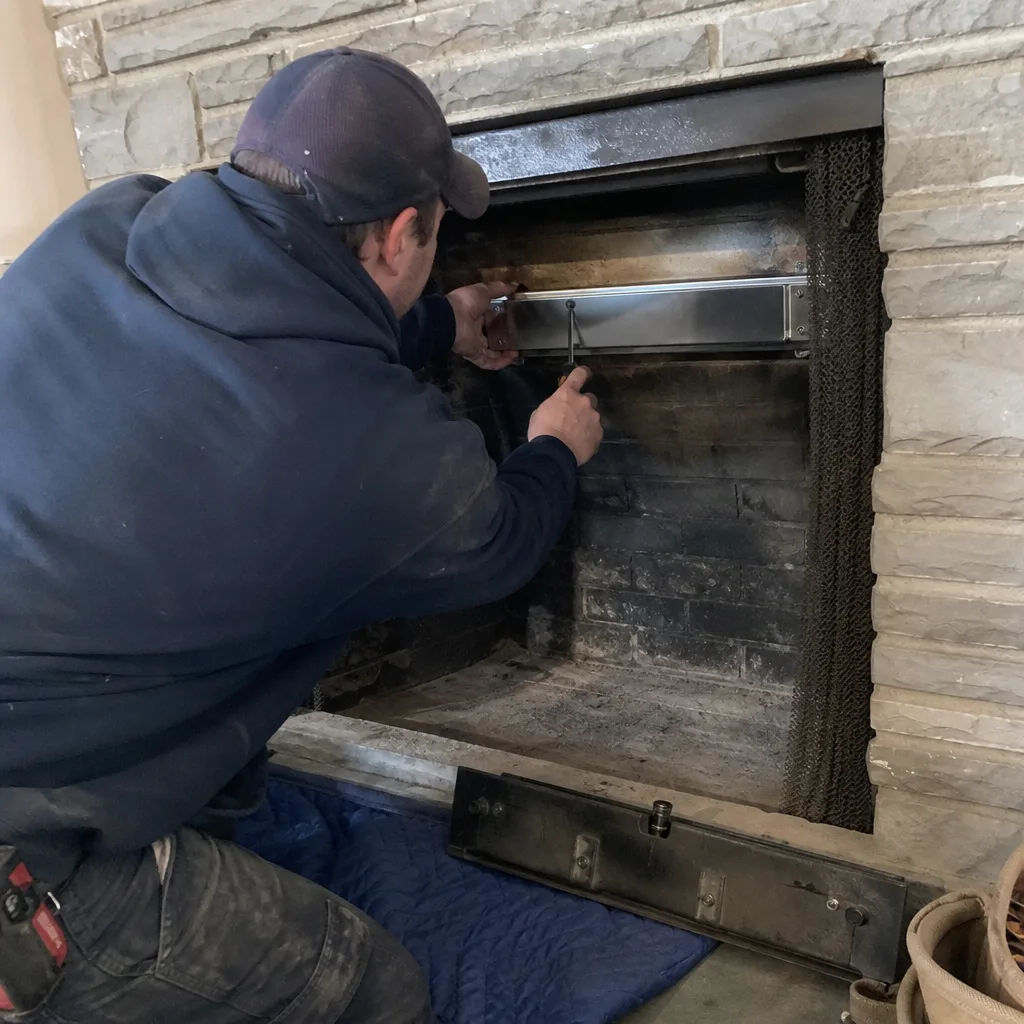
Most homeowner guides conflate gas and wood-burning symptoms. They present differently, and misunderstanding which system you have leads to misdiagnosed calls and unnecessary dispatch fees.
Gas Fireplace Insert Warning Signs
Gas inserts produce different combustion byproducts than wood. A properly functioning gas insert should produce minimal odor, no visible soot, and a blue flame with occasional yellow tips. Warning signs include:
- Soot on the glass, logs, or surrounding mantel: This indicates incomplete combustion, typically from dirty burners, improper air-fuel mixture, or deteriorated log placement. Sooting gas appliances produce carbon monoxide. The CO production rate increases before the soot becomes visible, so visible soot means the problem is established.
- Moisture on the glass: Condensation inside the sealed combustion chamber indicates venting problems, possibly a blocked or improperly sloped vent terminal, or negative pressure in the home drawing combustion gases backward.
- Delayed ignition or rollout: If the burner doesn’t light immediately, or flames roll out the front of the unit before the safety shutoff activates, the burner ports are clogged, the igniter is failing, or the gas pressure is incorrect. Rollout is a fire and CO hazard.
- Discolored or corroded vent termination: The exterior vent terminal should be clean metal. Rust, soot staining, or melted snow patterns that don’t match the roof indicate improper venting. In Leominster’s snow country, vent terminals must be positioned to avoid snow burial and ice dam drip.
- Dead vegetation near the exterior vent: Combustion gases are acidic and nitrogen-rich. Plants dying in a pattern aligned with the vent terminal indicate chronic exhaust exposure, meaning the vent is not drafting properly or is undersized for the unit.
Gas insert maintenance requires a technician certified for gas appliance work, not just a standard chimney sweep. The combustion analysis, gas pressure testing, and vent integrity checks are distinct skills.
Wood-Burning Fireplace Warning Signs
Wood-burning systems produce the symptoms covered in the exterior and interior sections above. Two wood-specific warnings bear repetition:
Excessive ash or partially burned fuel: Wood should burn to a light, fluffy ash. Heavy, dark ash or wood that smolders rather than flames indicates wet wood (moisture content above 20%), restricted air supply, or a flue that is too cold to support complete combustion. All three conditions produce accelerated creosote.
Audible cracking or popping from the chimney during operation: This is water flash-boiling inside the masonry, or creosote deposits cracking from thermal expansion. Both indicate water intrusion or heavy creosote. It is not normal fireplace sound.
When a Ground Check Isn’t Enough: Symptoms That Demand Camera Confirmation
Some warning signs cannot be diagnosed from visual inspection alone. The NFPA 211 Level 2 inspection, which we perform using a video scanning camera, exists specifically for these conditions. A flashlight look from the top or bottom of the flue misses what the camera reveals.
These symptoms always require camera confirmation before any repair quote:
- Any odor complaint without visible exterior or interior source: The camera locates liner breaches, hidden creosote deposits, and animal carcasses that produce odor but are not visible from either access point.
- Smoke rollback in a system that was previously functional: This often indicates liner deterioration, joint separation, or internal collapse that has altered flue geometry. Only the camera shows the internal condition.
- Evidence of a previous chimney fire: Homeowners often don’t know they’ve had one. Puffy creosote, discored or distorted liner tiles, and hairline cracks in terracotta are camera findings. A chimney fire can damage a liner sufficiently to require replacement while leaving the exterior masonry apparently intact.
- Any recommendation for liner replacement from another company: We offer a Free Second Opinion on Any Written Estimate for this reason. The camera shows whether the liner is actually breached, or whether the recommendation was made without documentation. Clause 4 of the Haven Standard requires a photo record on every job specifically to prevent this.
- Real estate transaction or insurance claim: Both require documented, dated, photographic evidence of flue condition. Our camera inspection produces this record as standard, not as an add-on.
The camera also reveals conditions that are not yet symptomatic. We find liner joint gaps, internal spalling, and creosote buildup in stages that produce no odor or visible warning. In Leominster’s competitive real estate market, where homes from the 1920s through 1980s trade frequently, these pre-symptomatic findings are common. A Level 2 inspection before listing or before purchase prevents transaction delays and post-sale disputes.
How to Document a Warning Sign With Your Phone
Photographic context before our technician arrives improves diagnostic accuracy and ensures the right equipment is loaded. We’ve developed this protocol from 38,000+ inspections. Follow these steps:
- Photograph the overall context first. Stand back far enough to show the chimney in relation to the roofline, adjacent trees, and the home’s orientation. This reveals exposure, nearby vegetation that contributes debris, and roof geometry that affects water shedding.
- Capture the symptom with a reference object. Place a coin, key, or your hand next to cracks, stains, or spalled areas. Size reference prevents misjudgment of severity.
- Shoot from multiple angles. For exterior signs, photograph straight-on and from 45 degrees. For interior stains, photograph with room lights on and with flash, which reveals surface texture differently.
- Include the surrounding area. For efflorescence, photograph the full height of the stain and the ground below. For flashing damage, include the roof shingles and gutter condition. Context rules in or out related failures.
- Document timing and conditions. Note the date, recent weather, and whether the symptom appeared suddenly or gradually. Sudden appearance after a storm points to acute damage. Gradual development indicates chronic failure.
- Text the photos to our dispatch line when you call. Our live answer staff can route them directly to the assigned technician. Under the Haven Standard, you’ll receive a text when your technician is en route, with their name and photo, so you know who arrives at your door.
Photos taken at arm’s length, in shadow, without context, are less useful than no photos at all. They create false confidence. Take the extra minute to document properly, or wait for our technician to document during the inspection itself.
Leominster-Specific Risk Factors: Climate, Codes, and Common Findings
Leominster’s geography and housing stock create specific chimney vulnerabilities that generic guides miss-explore more guides & resources for additional regional maintenance advice.
Freeze-thaw cycling: Leominster averages 180 freeze-thaw cycles annually, among the highest in Massachusetts. Each cycle stresses masonry, crowns, and flashing. Chimneys on north-facing walls, or those shaded by mature oak and maple canopies common in the Lancaster Street and North Leominster areas, never fully dry between cycles. We see accelerated spalling and mortar deterioration in these exposures.
Pre-1980 construction: Much of Leominster’s housing stock predates modern chimney codes. Original terracotta liners in homes from the 1920s through 1950s were often single wythe (one brick thick) with no air space between the flue and surrounding masonry. These systems fail predictably as mortar joints erode. A Level 2 camera inspection in these homes typically reveals joint gaps, internal spalling, or complete liner absence in sections.
Wooded lot debris: Leominster’s remaining wooded areas, particularly around Monoosnoc Hill and the Notown Reservoir vicinity, produce heavy leaf, twig, and seed pod fall. Uncapped flues accumulate this debris, which combines with moisture to form acidic compost that deteriorates metal and terracotta liners. A proper chimney cap from Famco or Gelco, properly sized and installed, prevents this.
Local amendment awareness: Leominster enforces the Massachusetts State Building Code with local amendments. Wood-burning appliance installations require permits and inspection. If you’re considering a new insert or stove, the installation must comply with clearances to combustibles, hearth extension dimensions, and liner sizing per NFPA 211. Our quotes include permit coordination; we don’t install and leave you to discover the permit requirement.
Insurance documentation: Several Leominster-area insurers now require documented Level 2 inspection for wood-burning appliance coverage, or impose surcharges for systems over 10 years old without inspection records. Our documented photo record satisfies this requirement directly.
Common Mistakes to Avoid
- Assuming a “clean” fireplace means a safe chimney. The firebox can be swept spotless while the flue liner above has a gaping breach. Visual cleanliness of the visible area proves nothing about the hidden system.
- Using the fireplace “just once more” after noticing a warning sign. In Leominster’s emergency call history, the chimney fire or CO alarm that prompts the call often follows a homeowner’s decision to use the system one additional time after noticing a problem. Stop use immediately.
- Hiring based on the lowest sweep price without confirming what’s included. A $99 sweep that does not include camera inspection, does not produce a written report, and does not document liner condition leaves you with a clean firebox and an undiagnosed hazard. Our Chimney Cleaning & Sweep in Leominster includes the Level 2 camera scan and photo record as standard under Haven Standard Clause 4.
- Ignoring seasonal odor changes. Many Leominster homeowners report “the chimney smells different in summer” and assume it’s normal. Seasonal odor variation indicates moisture and temperature interaction with deposits in the flue. It is a diagnostic signal, not a quirk.
- Accepting a verbal repair recommendation without written scope and price. This is the exact scenario the Haven Standard was designed to prevent. Clause 1 requires a written price, written scope, and written warranty before any work begins. Verbal quotes allow scope expansion, undisclosed charges, and warranty disputes.
- Neglecting the gas insert because “it’s just gas.” Gas appliances produce CO, soot, and condensate. They require annual inspection of the burner, vent, and safety controls. The “cleaner” fuel creates a false sense of security.
- Failing to verify technician credentials. Massachusetts requires chimney sweeps to hold a construction supervisor license or work under one for structural repairs. Ask for license verification. Our technicians are background-checked, uniformed, and our license number appears on every page.
When to Call a Professional
Call immediately if you observe: smoke or CO detector activation related to fireplace use; visible flames or glowing material in the chimney exterior; sudden onset of smoke rollback; or a leaning or separated chimney. These are emergency conditions.
Schedule a Level 2 inspection within two weeks if you notice: any exterior efflorescence or spalling; oily staining above the firebox; persistent odors of any type; or degraded firebrick or damper operation. These conditions worsen with use and exposure.
For routine evaluation, schedule before the burning season begins. In Leominster, that means September or early October. Our schedule fills by mid-October; booking earlier ensures your preferred date.
Level Two Chimney Leominster offers free estimates in Leominster. Every estimate includes a written price, written scope, and written warranty before any work starts. Call (978) 481-2900. Our phones are answered by a live person, 24 hours a day, 7 days a week.
Frequently Asked Questions
A complete chimney cleaning and Level 2 inspection in Leominster typically ranges from $275 to $425, depending on flue accessibility, creosote class, and whether the system is a straightforward open fireplace or a complex insert installation. This price includes the camera-scan inspection, documented photo record, and written report. We deliver a written price before any work starts, with no exceptions. Call (978) 481-2900 for an exact quote - estimates are free.
You need a new liner only if the existing liner is breached, deteriorated, or improperly sized for the appliance it serves. A camera inspection determines this definitively. We have cleaned and preserved liners that other companies recommended replacing, and we have documented liner failures that required immediate replacement for safety. Nothing is recommended without camera evidence you can see for yourself. Our Free Second Opinion on Any Written Estimate exists specifically for this question.
The NFPA 211 standard recommends annual inspection for all chimney systems, and cleaning when creosote buildup reaches 1/8 inch. For Leominster homeowners who burn wood as a primary heat source, or who burn more than three cords annually, inspection and likely cleaning are needed annually. Occasional users may extend to every two years if the previous inspection showed minimal deposit and sound liner condition. The inspection frequency does not change; the cleaning frequency depends on use and fuel quality.
Skipped maintenance leads to creosote accumulation, which increases chimney fire risk; liner deterioration, which allows combustion gases into living spaces; and water intrusion, which destroys masonry from within. In Leominster’s freeze-thaw climate, water damage accelerates dramatically. The cost of deferred maintenance typically exceeds preventive care by a factor of five to ten when structural rebuild, liner replacement, and interior damage repair are required. Call (978) 481-2900 to schedule before the damage compounds.
A Level 1 inspection is a visual examination of readily accessible portions of the chimney exterior and interior, without specialized tools, appropriate for systems with no change in use or condition. A Level 2 inspection includes everything in Level 1 plus a video scanning camera examination of the internal flue surfaces, accessible portions of the chimney exterior and interior, and evaluation of clearances to combustibles. Level 2 is required for real estate transactions, after chimney fire or operational incident, or upon sale or transfer of property. Level Two Chimney Co. performs Level 2 as our default inspection standard, which became Clause 4 of the Haven Standard in 2009.
No. Any unusual odor from a gas fireplace indicates incomplete combustion, venting failure, or gas leak. Extinguish the flame if it is operating, do not reignite, ventilate the area, and call for service. Gas leaks require the gas company emergency line. Combustion odor requires a technician certified for gas appliance work. Do not attempt to diagnose or repair gas components yourself.
An adequate chimney cap in Leominster must: cover all flue openings with minimum 5/8-inch mesh to exclude animals and debris; extend beyond the flue tile edges to shed water onto the crown, not into the flue; be constructed of stainless steel or copper to resist corrosion; and withstand snow and ice load without deformation. Caps from Olympia Chimney and Gelco, properly sized, meet these requirements. A cap that is rusted, improperly fitted, or missing entirely is a maintenance priority before the next burning season.
The Bottom Line
Warning signs are not mysteries to be solved by a technician after arrival. They are observable, nameable conditions with specific mechanical causes. The white stain is efflorescence, and it means water is moving through the masonry. The black tar above the firebox is Class III creosote, and it means the liner may be breached. The sulfur smell means combustion gases are not exiting as designed. Naming these conditions precisely gets the right response: a Level 2 camera inspection that documents what is actually occurring, a written price for what is actually needed, and a record you can reference for insurance, real estate, or your own maintenance planning.
In Leominster’s climate, with its housing stock and its freeze-thaw cycles, chimney systems deteriorate predictably. The homeowners who avoid emergency repairs are those who read the warning signs early, document them well, and act before the next burning season begins.
Call (978) 481-2900 for a free estimate. A live person answers, 24 hours a day. You’ll receive a written price before any work starts, a camera-scan inspection with documented photo record, and the 365-Day Done Right Promise on every job. That’s the Haven Standard, and it’s been our practice since 2009.
Written by Corrine Halstead, Owner at Level Two Chimney Leominster, serving Leominster since 2009.