
Last updated September 22, 2026
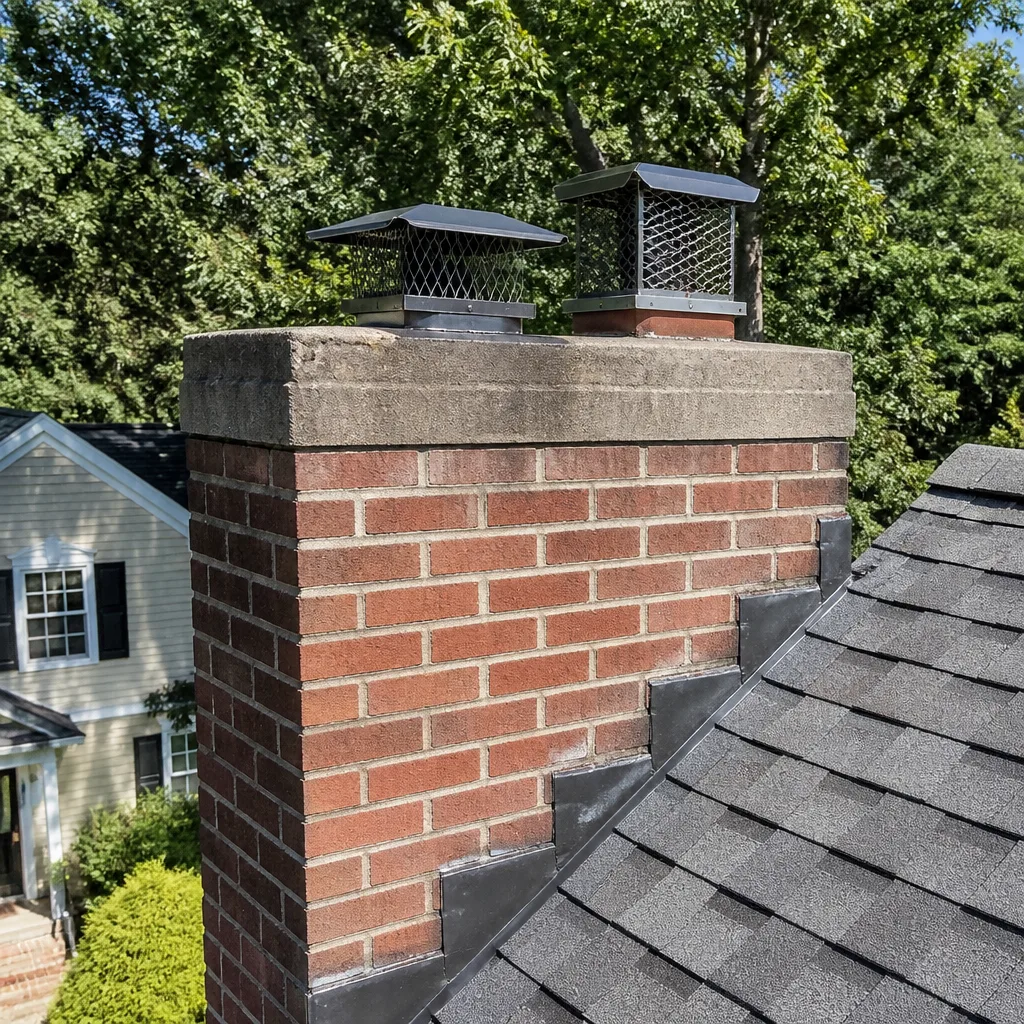
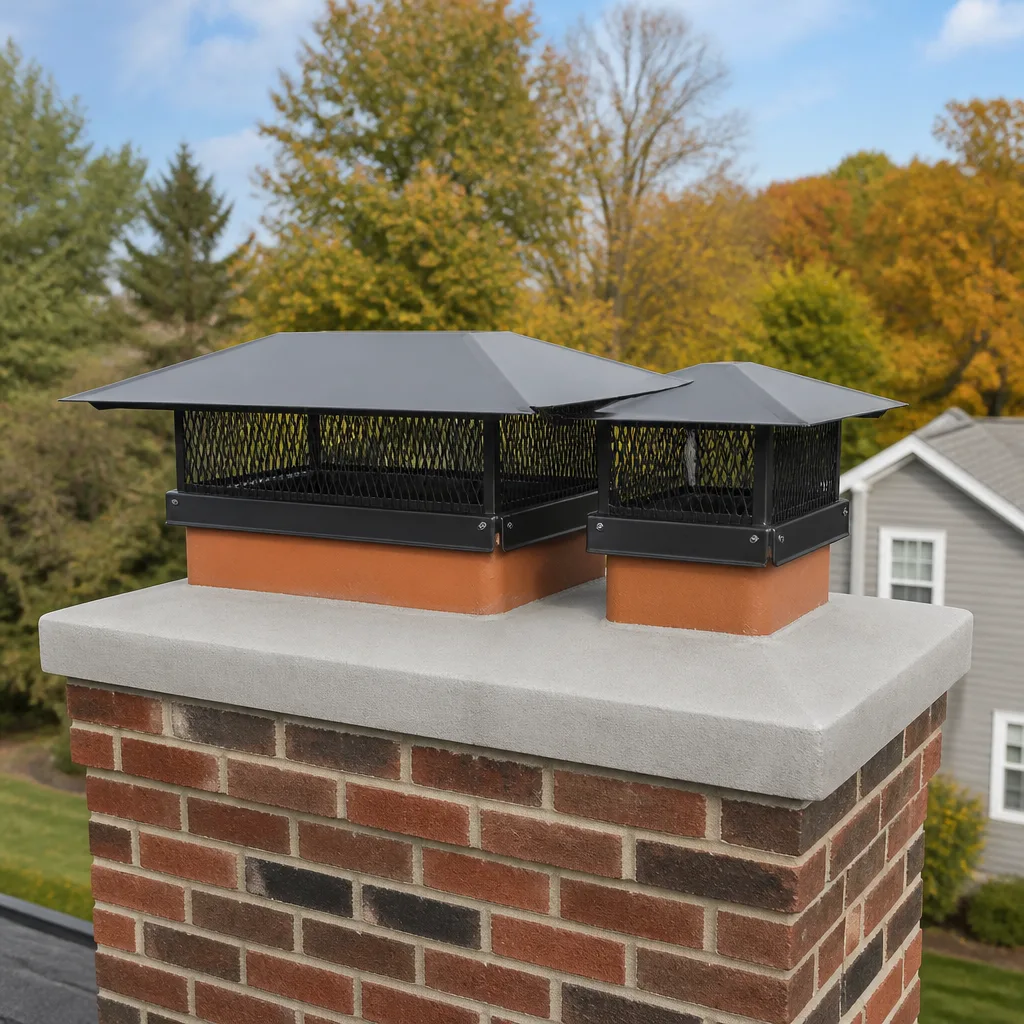
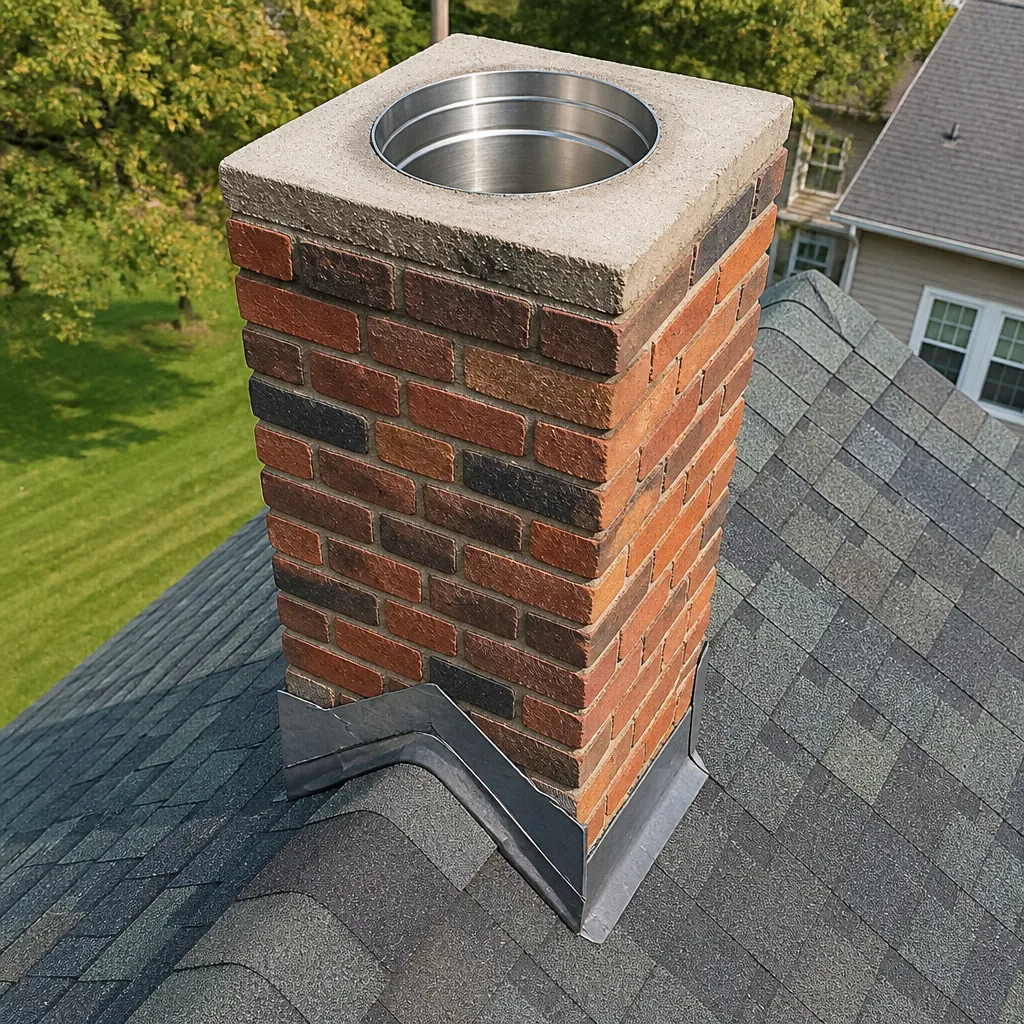
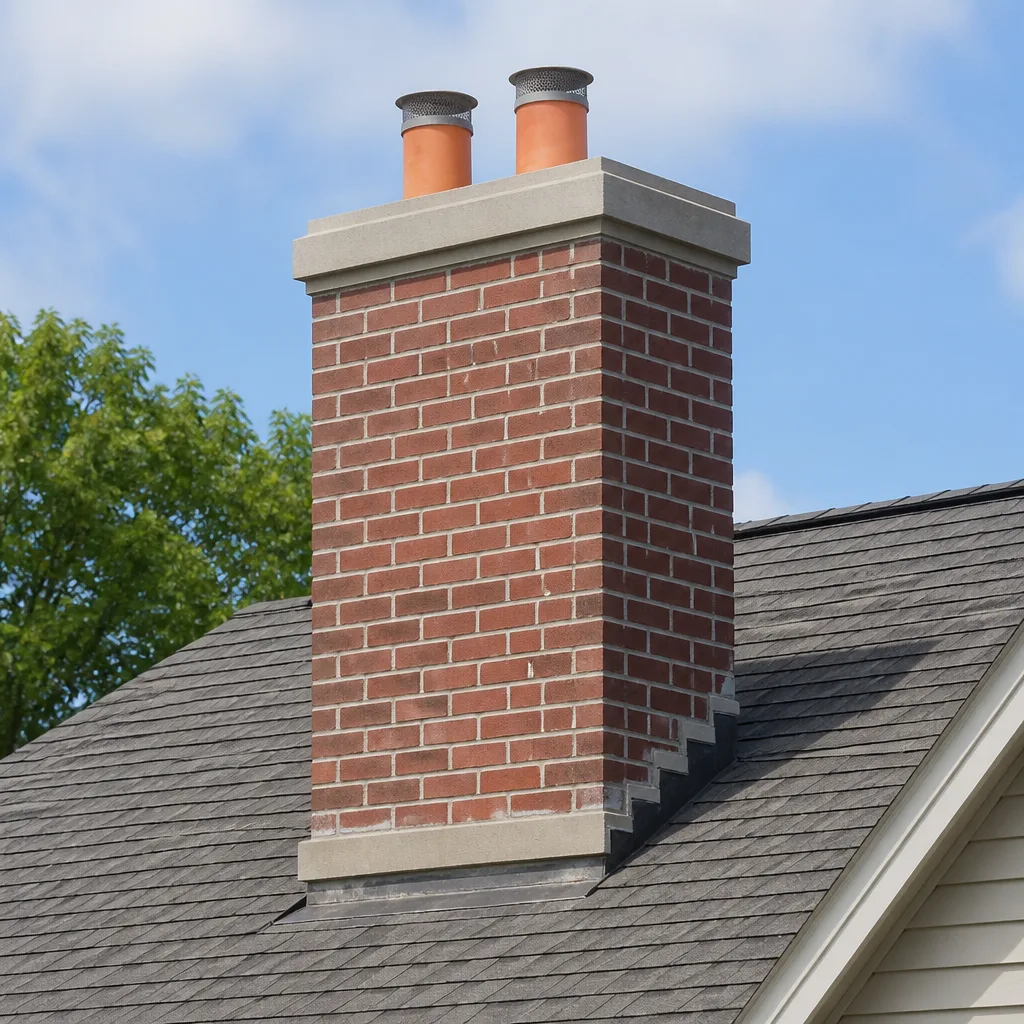
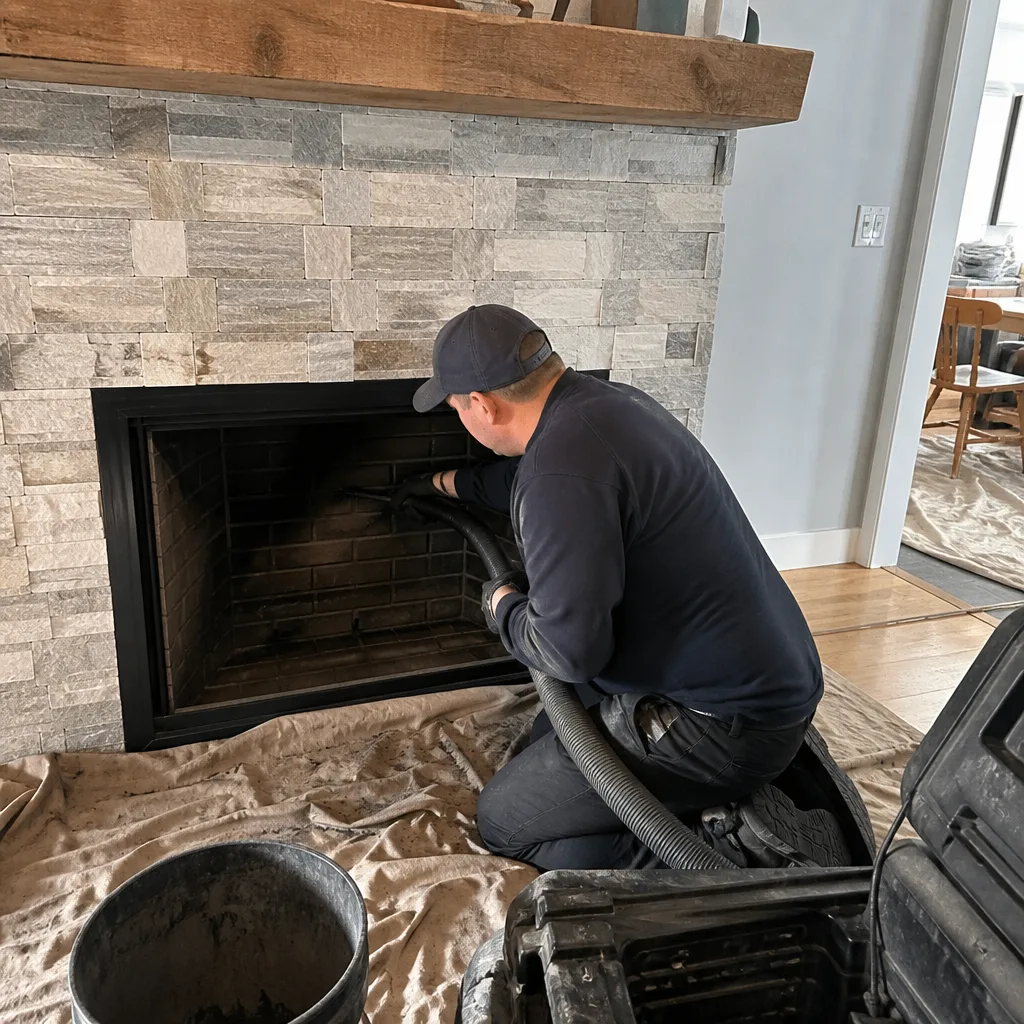
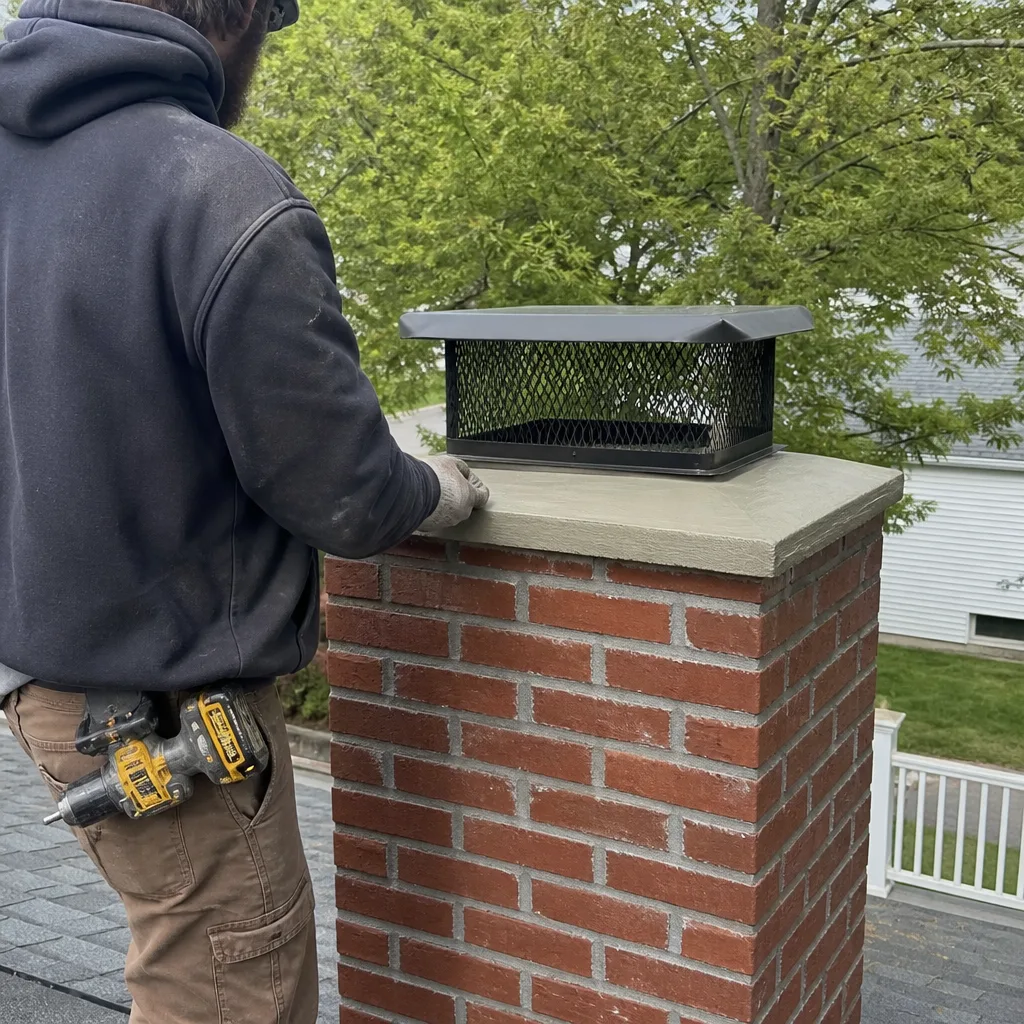
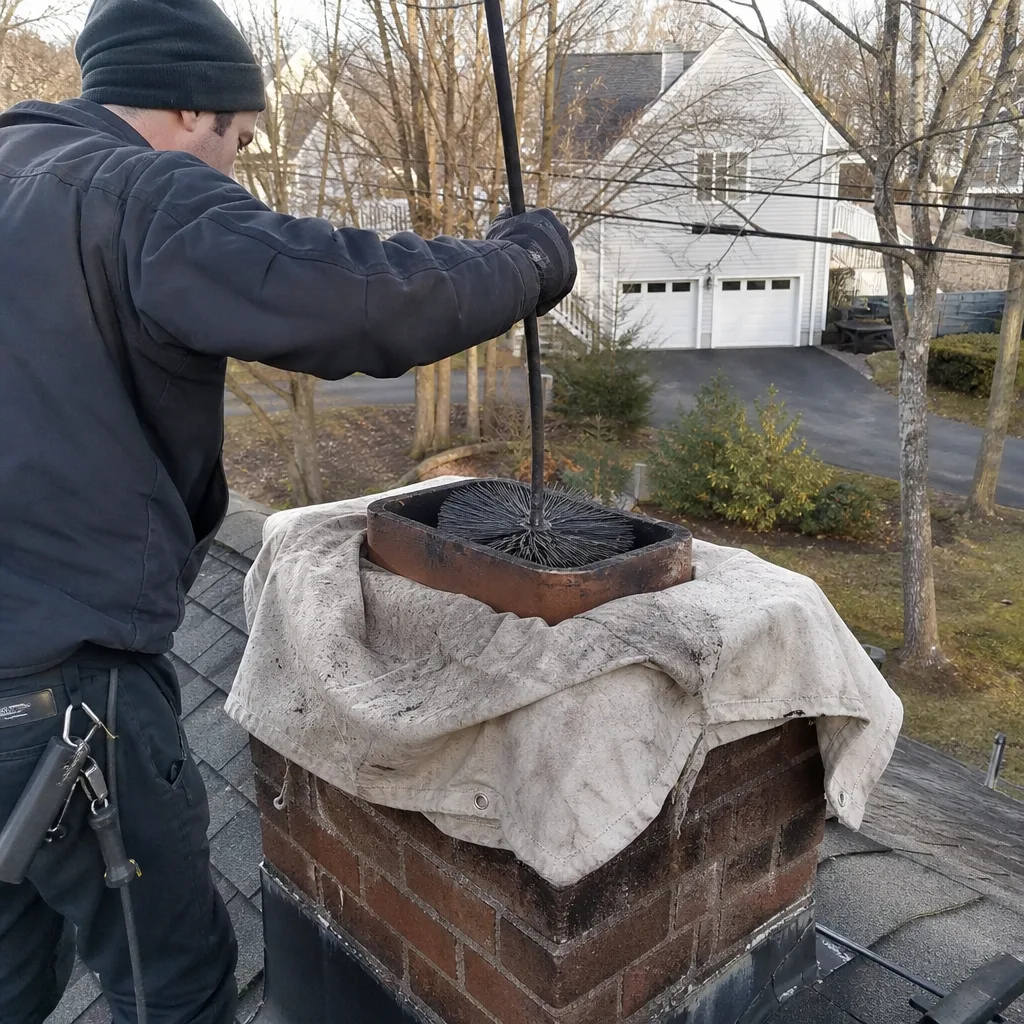
Level 1 sweep and inspection to the NFPA 211 annual standard - flue, crown, cap, and flashing checked and photographed
Chimney sweep logs do not sweep chimneys. They loosen some creosote - which then falls where a brush and vacuum still have to collect it.
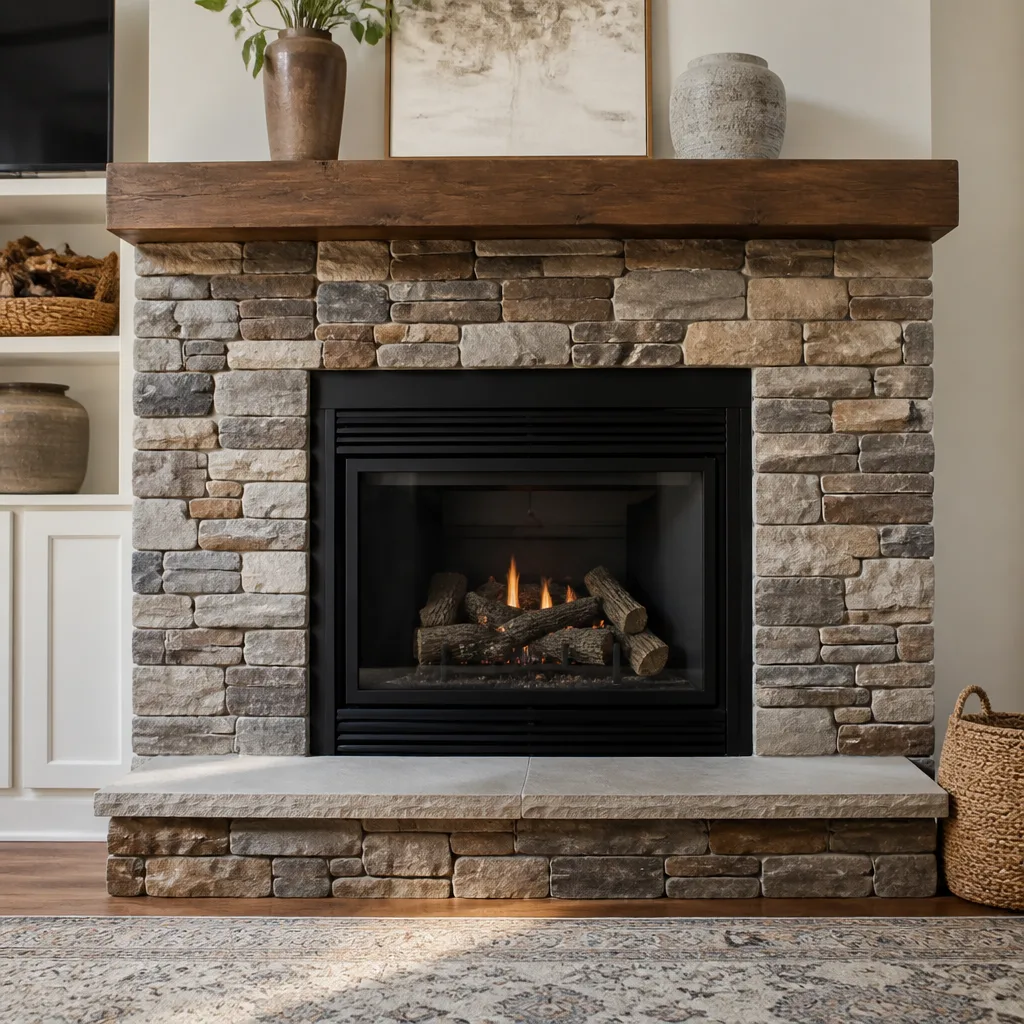
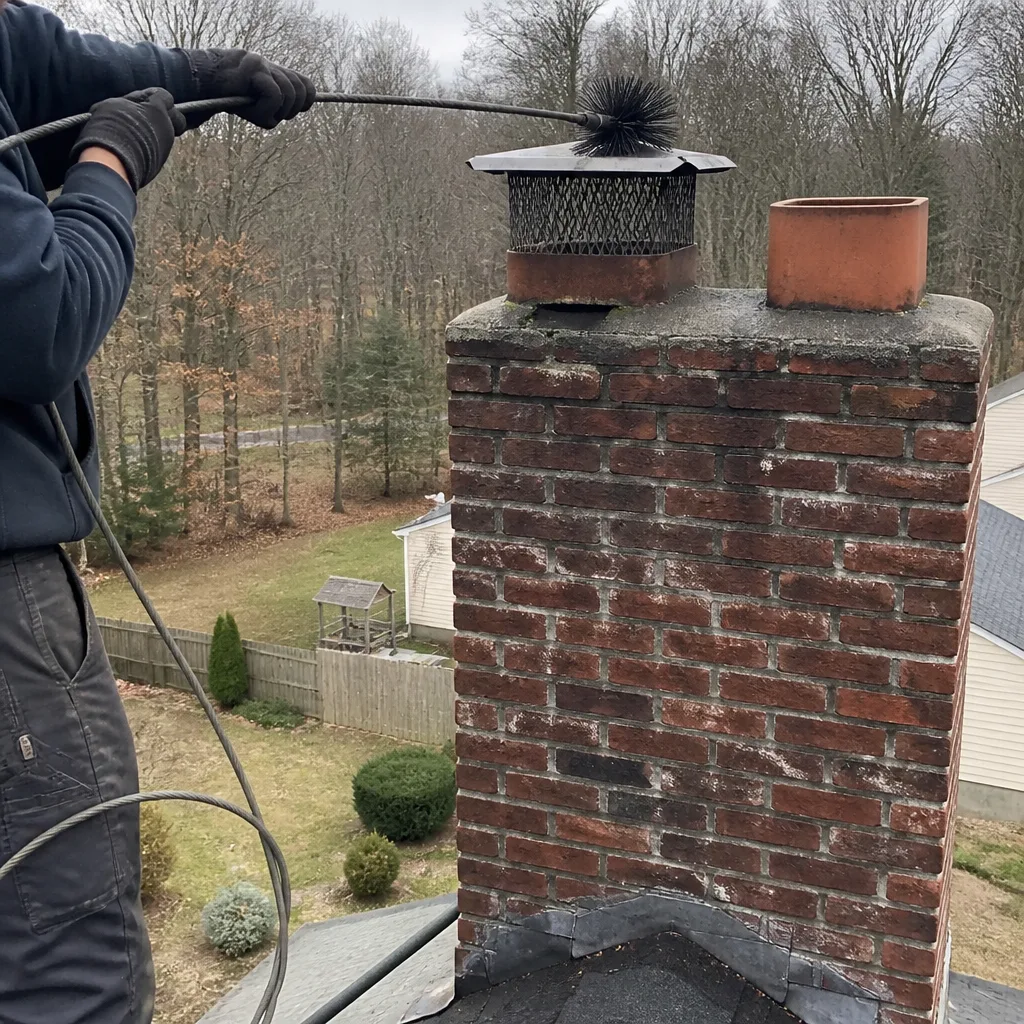 Before
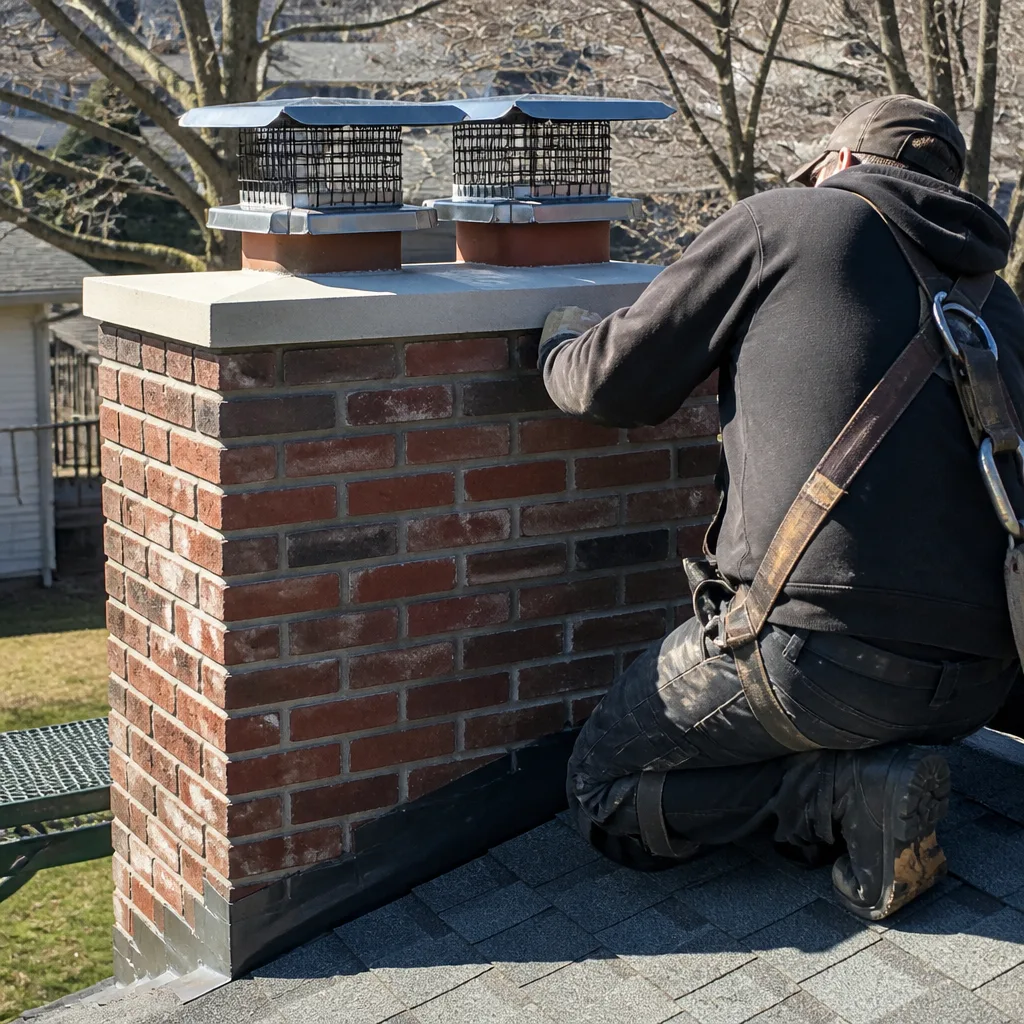 After
After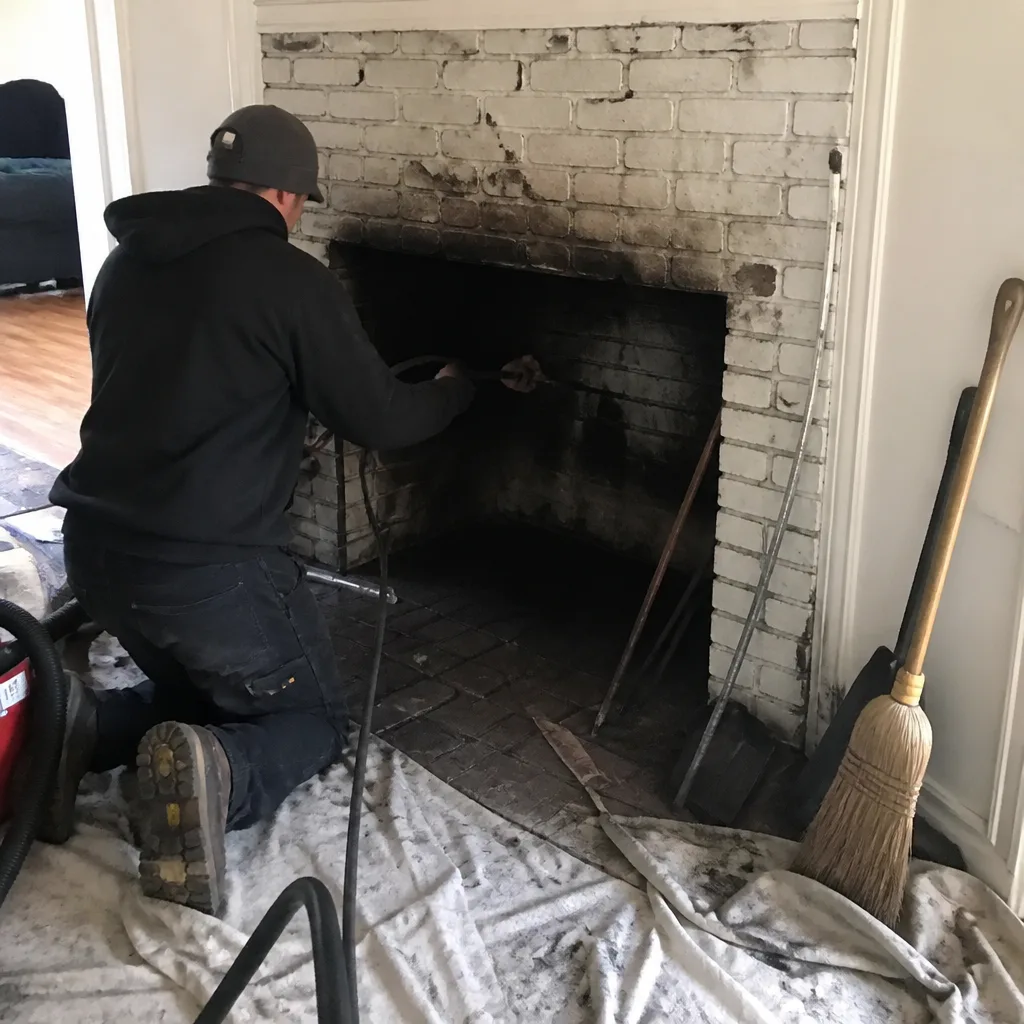 Before
 After
After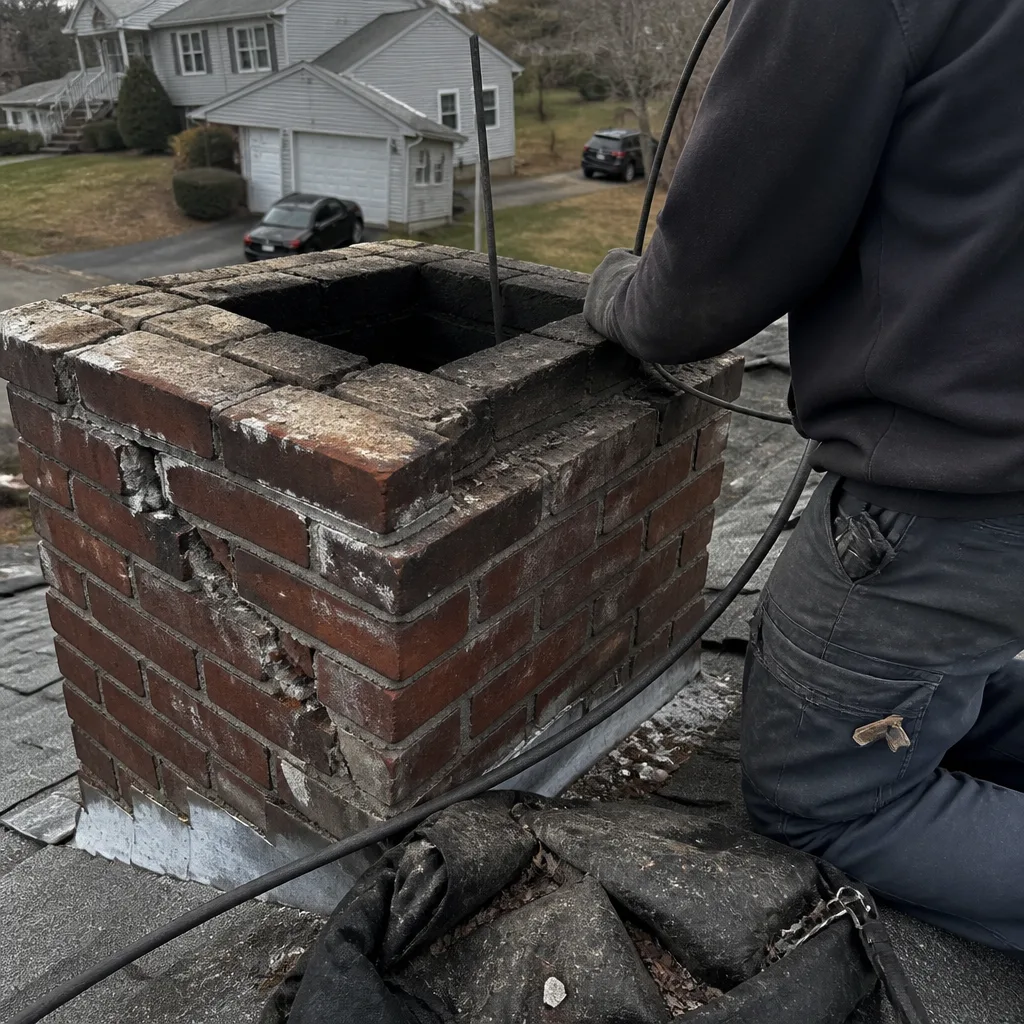 Before
 After
AfterChimney Cleaning & Sweep Maintenance Checklist for Leominster Homeowners
The most common chimney repair call Level Two takes in November is for a problem that was visible in April - and invisible on any annual-sweep schedule. In Leominster, where freeze-thaw cycles chew through masonry from March to May and oak-heavy cordwood deposits creosote faster than pine, a once-a-year checklist leaves eleven months of preventable damage on the table. This guide gives you a month-by-month maintenance calendar tied to actual Central Massachusetts weather patterns, plus the ground-level photo documentation that protects your insurance claim if ice or wind gets there first.
Quick Answer
Leominster homeowners should maintain chimneys on a seasonal schedule: inspect caps and flashing after winter freeze-thaw, test dampers and check creosote buildup before October burning season, and photograph ground-level conditions quarterly for insurance documentation. Annual NFPA 211 Level 2 inspection with camera-scan documentation catches what visual checks cannot, but the eleven months between our Chimney Cleaning & Sweep services determine whether that inspection finds routine maintenance or costly rebuilds.
Table of Contents
- The Leominster Climate Calendar: When Chimneys Actually Fail
- Month-by-Month Homeowner Checklist
- Ten-Minute Tasks You Can Do Without Tools
- Pre-Sweep Checklist: Keeping Service Costs Predictable
- Pellet Stove vs. Wood-Burning: Different Flues, Different Warning Signs
- Ground-Level Photo Documentation for Insurance Claims
- Common Mistakes to Avoid
- When to Call a Professional
- Frequently Asked Questions
- The Bottom Line
 Before
 After
AfterThe Leominster Climate Calendar: When Chimneys Actually Fail
Leominster sits at roughly 400 feet elevation in the Nashua River valley, which means colder pockets in winter and slower spring drainage than Boston or Worcester. The local climate creates four distinct damage windows that don’t align with the “call in fall” advice you see on generic checklists.
January through March: Freeze-thaw cycling at its worst. Water that entered hairline cracks in October freezes, expands, and widens those cracks by fractions of a millimeter each cycle. By March, a capillary crack can become a structural spall. In the Whalom Park area and other Leominster neighborhoods with mature oak canopy, ice damming on chimney shoulders is common where branches block afternoon sun from melting snow.
April through May: Mud season and hidden masonry damage. When the ground thaws before the air does, saturated masonry wicks moisture upward. This is when we find the most “surprise” crown deterioration - the damage was done in February, but the saturated stone or concrete only shows its cracks when drying stress accelerates in April wind. We’ve pulled camera footage from Leominster flues in May that show liner gaps opened over winter, invisible from the firebox.
June through August: Bio-growth and cap failure. Humid Central Massachusetts summers let moss and lichen colonize north-facing chimney faces. More critically, summer storms test cap and flashing integrity when you’re not burning and therefore not paying attention. A cap knocked askew in July lets rain into a warm, stagnant flue - ideal conditions for accelerated corrosion of stainless steel liners.
September through October: Pre-season false security. This is when most Leominster homeowners remember their chimney exists. But the October rush means sweep schedules fill, and the temptation to “just light it and see” is strongest when nights first drop below 50°F. The NFPA 211 standard requires annual inspection, not because fall is magically important, because most people only think to check then - see Chimney Cleaning Warning Signs: A Leominster Homeowner’s Reference Guide for what to watch for year-round.
Month-by-Month Homeowner Checklist
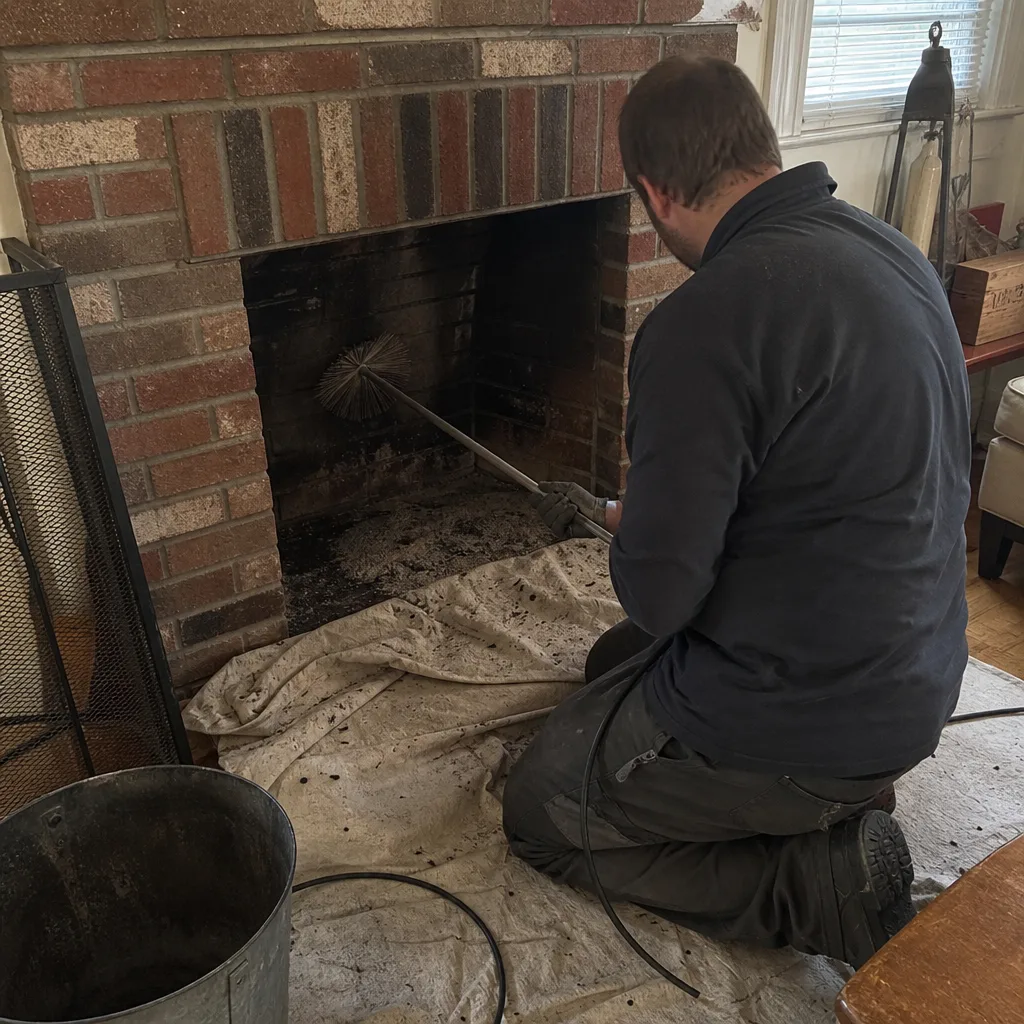
Prevention is scheduled, not reactive. Here’s what belongs on your actual calendar, not just your “maybe this weekend” list.
March: Post-Winter Masonry Assessment
- Walk the exterior after the last hard freeze. Look for spalling (flaking surface) on brick faces, especially on the south side where daily thaw-refreeze cycles are most extreme.
- Check the crown for new cracks or pooling. A crown should shed water to all sides; any depression that holds water is a failure point.
- Photograph the chimney from ground level, straight-on and from both sides. Date the files.
- Schedule your annual NFPA 211 Level 2 inspection now, before the October rush. Chimney Cleaning & Sweep in Leominster books 2-3 weeks out in season; March booking secures April or May service.
April: Cap and Flashing Detail
- From ground level with binoculars, verify the cap sits square and fasteners are present. A cap tilted by winter wind load gaps at one corner.
- Check flashing where the chimney meets roofline. Look for lifted corners, missing sealant beads, or rust streaks on shingles.
- Clear gutters and downspouts near the chimney. Overflowing gutters saturate the chimney base.
May: Interior Component Test
- Open the damper fully, then close it. It should move smoothly and seat completely. A damper that sticks open wastes heat; one that sticks closed risks smoke backup.
- With a flashlight, look up the flue from the firebox. You’re checking for visible obstructions - bird nests, fallen bricks, significant soot buildup - not performing inspection.
- Test smoke chamber access if your fireplace has a cleanout door. Note whether ash falls freely or appears compacted.
June through August: Storm Response and Bio-Growth
- After any significant wind or hail event, walk the exterior for new cap displacement or flashing damage.
- North-facing chimney faces: scrub visible moss with a stiff brush and water. Do not use pressure washers on historic mortar.
- Verify exterior caulking at chimney-roof junction hasn’t dried and cracked in summer heat.
September: Pre-Season Function Check
- Repeat the damper test. If it stuck in May, it hasn’t fixed itself.
- Check that your fire grate sits level and hasn’t corroded through at contact points.
- Verify your smoke and CO detectors have fresh batteries and are within 10 feet of sleeping areas per Massachusetts fire code.
- If you burned more than 1.5 cords the previous season, schedule cleaning before first fire.
October: First Fire Protocol
- Start with a small, hot fire using seasoned hardwood. A smoldering first fire deposits maximum creosote on a cold flue.
- Check that smoke rises immediately and doesn’t linger in the firebox or spill at the hearth edge.
- Feel the wall above the fireplace after 30 minutes of active burning. Excessive heat on surrounding surfaces indicates liner or clearance issues requiring professional evaluation.
November through February: Active Burning Monitoring
- Weekly during heavy use: check that the fire draws consistently and doesn’t “hesitate” when doors or windows are opened elsewhere in the house.
- Monthly: inspect the hearth for new cracks, shifted firebrick, or deteriorated mortar joints.
- After any chimney fire event (loud roaring, visible flames in flue, dense smoke): stop burning immediately and schedule inspection before next use.
Ten-Minute Tasks You Can Do Without Tools
Most chimney maintenance advice conflates “homeowner responsibility” with “tasks requiring a ladder and courage.” These require neither. Do them quarterly; they catch the majority of preventable damage we see in Leominster service calls.
- Visual cap check from driveway: Stand where you normally park. The cap should be centered and level. A tilt visible from 30 feet means a fastener has failed or the cap has wind damage.
- Damper cycle test: Open, close, open halfway. Listen for grinding or catching. Note the position where it seats fully - many homeowners think they’re closing a damper that’s actually hanging open 1/4 inch.
- Ash level check: Ash deeper than 2 inches insulates the firebox floor and reduces combustion efficiency. Remove excess when cool; leave 1/2 inch bed for thermal mass.
- Firewood moisture guess: Bang two splits together. A sharp crack means seasoned wood below 20% moisture. A dull thud means above 25% - creosote-forming territory. In Leominster’s humid summers, covered storage is essential; we’ve measured 30%+ moisture in “seasoned” wood stored against a north wall.
- Smoke behavior observation: On first fire of season, watch whether smoke rises immediately or lingers. Lingering smoke in the firebox indicates cold flue, blocked flue, or negative pressure - all require attention before the next fire.
- Exterior brick color check: New white efflorescence (salt deposits) or dark water streaks indicate moisture penetration that wasn’t present at last inspection. Photograph and date.
What requires a sweep, not a homeowner: anything involving the roofline, flue interior beyond flashlight range, liner condition assessment, or combustion gas measurement. The NFPA 211 Level 2 inspection includes camera-scan documentation of the flue interior - Clause 4 of the Haven Standard requires this photo record on every job we’ve performed since 2009. No flashlight look from the firebox substitutes for it.
Pre-Sweep Checklist: Keeping Service Costs Predictable
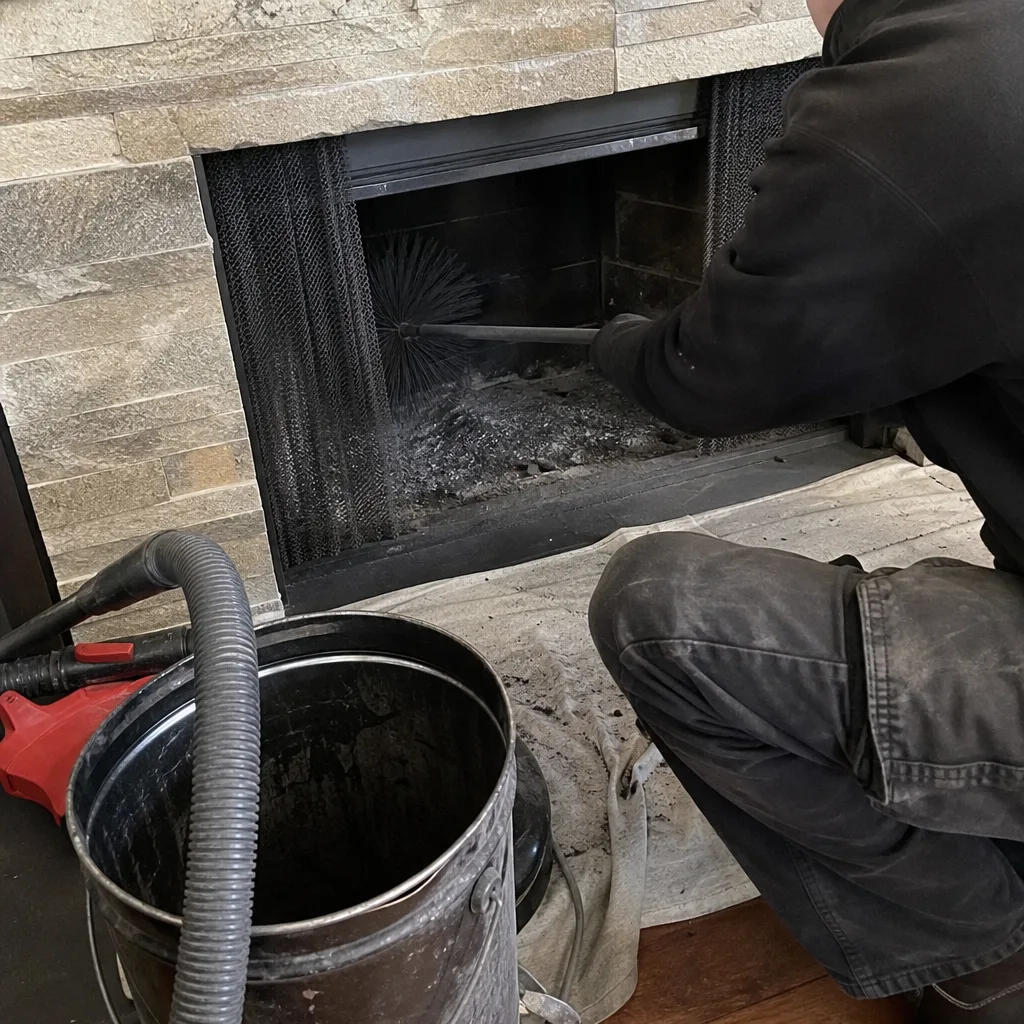
We quote every job in writing before work starts - Haven Standard Clause 1, “Have it in writing.” But unpredictable costs often come from site conditions that delay the technician, not from the sweep itself. Here’s how to ensure the time booked is time spent on your chimney, not your living room.
Clear the Work Zone
Remove furniture, rugs, and decorative items within 6 feet of the fireplace opening. Our technicians lay drop cloths, but tight spaces add setup time. If the fireplace has glass doors, ensure they open fully or are removable.
Remove Ashes
Empty the firebox of ashes if accumulation exceeds 2 inches. We can do this, but it’s billable time that adds nothing to inspection quality. Ashes must be cold - 48 hours minimum since last fire. Hot ash disposal is a safety violation we won’t perform.
Secure Pets
The vacuum and rotary equipment we use for Chimney Cleaning & Sweep in Leominster creates noise that distresses many animals. A secured pet is a safer, faster job.
Provide Access to Roofline
If exterior inspection is part of your service scope, ensure gates are unlocked and driveway access is clear for our ladder setup. In Leominster’s older neighborhoods near downtown, narrow driveways and overhead wires sometimes require alternative access - tell us when booking if your property has these constraints.
Have Previous Documentation Ready
If Level Two or another company serviced your chimney previously, locate the written report and photo record. Comparing current camera footage to prior documentation is often how we identify accelerated deterioration. Our archive of 38,000+ documented inspections lets us pull prior Level Two records by address.
Disclose Known Issues
Smoke spillage, animal intrusion, or previous chimney fire events change our equipment and safety protocols. Withholding these to “see if you find it” wastes diagnostic time and can require return visits.
Following this checklist typically reduces on-site time by 15-20 minutes. More importantly, it ensures the technician’s full attention goes to inspection quality, not logistics.
Pellet Stove vs. Wood-Burning: Different Flues, Different Warning Signs
Leominster’s heating mix includes significant pellet stove adoption, especially in homes built between 1985 and 2005 where pellet inserts replaced original fireplaces. Pellet flues fail differently than wood-burning flues, and the warning signs are easy to miss if you’re looking for the wrong patterns.
Wood-Burning Flue Warning Signs
- Class I creosote (sooty, brushable): Normal byproduct of efficient burning. Removed with standard sweep.
- Class II creosote (granular, tar-like flakes): Indicates slow, smoldering fires or unseasoned wood. Requires more aggressive removal; signals burning practice needs correction.
- Class III creosote (glazed, hardened, difficult to remove): Restricts flue diameter and is the fuel for chimney fires. Requires mechanical removal or chemical treatment. In Leominster, we see this most in homes burning “seasoned” oak stored outdoors under tarps - the tarp traps humidity, and oak’s dense grain holds moisture.
- Spalling or flaking liner: Visible on camera inspection. Clay tile liners spall from thermal shock; stainless steel liners corrode from condensate. Both require replacement planning.
Pellet Stove Flue Warning Signs
- Fly ash accumulation in horizontal runs: Pellet exhaust carries fine ash that settles in any low point. A T-connection or slight sag in the vent pipe creates a blockage point. The stove may run normally until the restriction reaches critical mass, then fail suddenly with backup or shutdown.
- Corrosion at vent terminations: Pellet exhaust is moisture-laden and slightly acidic. Exterior terminations corrode faster than wood-burning caps. In Leominster’s wet springs, we’ve replaced pellet terminations after three years that wood-burning caps survived for fifteen.
- Ignition failure after shutdown: Often misdiagnosed as electrical. Frequently it’s reduced draft from partial flue blockage - the stove can’t establish sufficient negative pressure to light.
- Unusual exhaust odor during operation: Pellet stoves should smell of clean combustion, not acrid smoke. Persistent odor indicates incomplete combustion, often from vent restriction or air intake blockage.
Pellet flues require annual inspection despite cleaner combustion - the failure mode is hidden restriction, not visible creosote. Our camera inspection protocol for pellet systems includes the full vent run to termination, not just the flue interior.
Ground-Level Photo Documentation for Insurance Claims
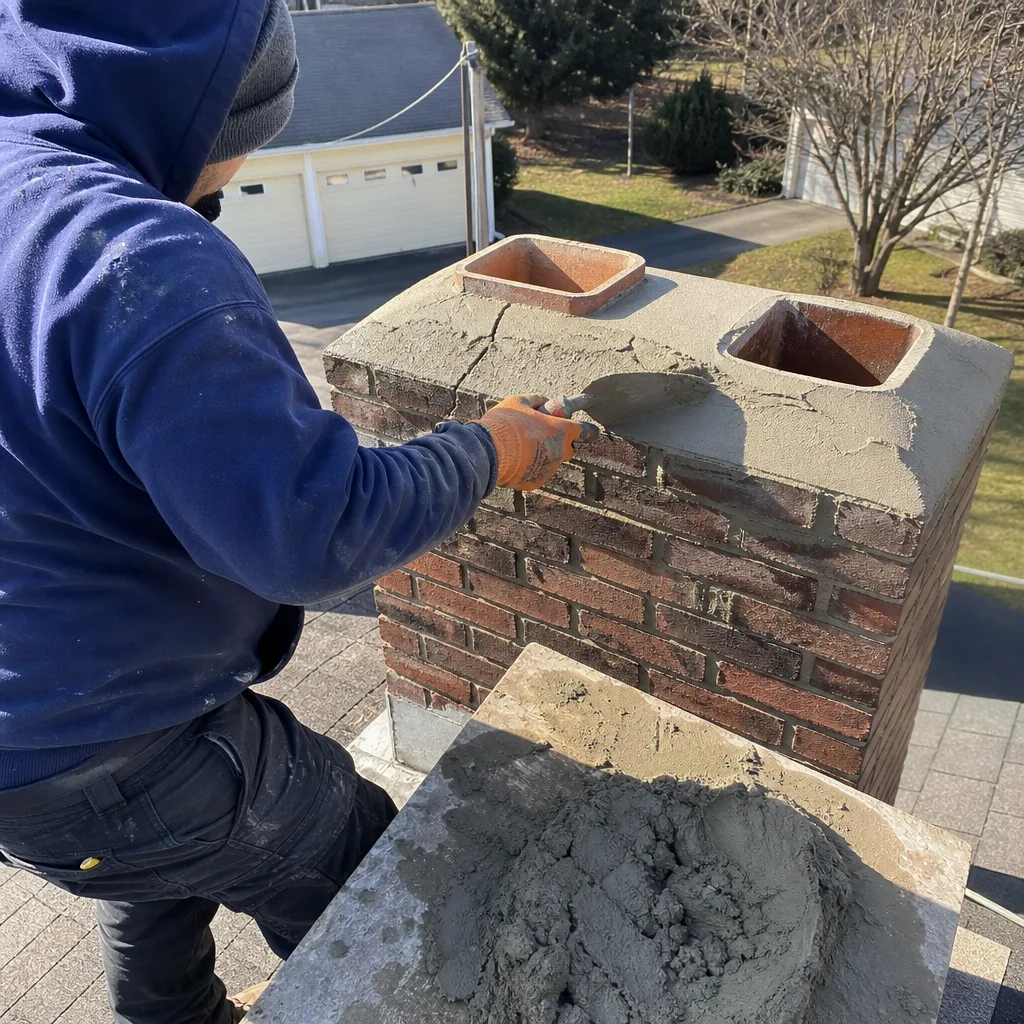
Your chimney is a structural element of your home. Damage from wind, ice, or falling trees is typically covered under standard homeowners policies - if you can prove pre-existing condition. The photo record we create during NFPA 211 Level 2 inspection is one documentation stream. Your own quarterly ground-level photos are the other, and they’re admissible in claim disputes when dated and consistent.
What to Photograph and When
- Full chimney, straight-on: Stand at the property line or driveway. Capture the full height, including cap and flashing. Best lighting: overcast day or morning sun behind you. Do this March, June, September, December.
- Crown close-up from ground: Maximum optical zoom, steady against a car or fence. You’re documenting crack patterns and any standing water. Same quarterly schedule.
- Flashing detail: From the ground at roofline level, or from an upper-story window if accessible. Document sealant condition and metal integrity.
- Hearth and firebox: Interior shots showing firebrick condition, damper position, and any rust or staining. Date-stamp these.
- Surrounding roof area: Context shots showing tree proximity, gutter condition, and any structures that might affect chimney exposure.
Storage and Dating
Store photos with filenames including date and address: “123_Main_St_chimney_2024-03-15.jpg.” Cloud storage with automatic date stamping is sufficient; physical prints are not required. Email a set to yourself for timestamp verification.
When Level Two performs your inspection, Clause 4 of the Haven Standard requires we provide our camera footage and written report in digital format. Your photos plus our documentation create a complete condition timeline that insurers accept without dispute. We’ve had Leominster customers successfully claim crown rebuilds after ice storm damage using this combined record.
For Chimney Repair in Leominster following insured damage, our written estimate - with photo documentation of the damage mechanism - supports your claim adjuster’s review. We provide this at no charge for insurance purposes.
Common Mistakes to Avoid
- Treating “annual inspection” as “annual in October.” The NFPA 211 standard specifies annual inspection, not fall inspection. In Leominster, scheduling for April or May often reveals winter damage before it worsens through another season, and sweep availability is better.
- Burning unseasoned oak because “it’s what grows here.” Central Massachusetts oak is excellent firewood when seasoned 18-24 months under cover. When burned at 25%+ moisture, it deposits Class III creosote at rates that surprise homeowners who chose oak specifically to avoid pine’s reputation.
- Ignoring the pellet stove because “it burns clean.” Pellet systems accumulate fly ash in horizontal vent runs and corrode terminations faster than wood-burning equivalents. The “clean burn” marketing doesn’t extend to vent maintenance.
- DIY cap reattachment without inspecting the underlying crown. A cap that blew off often indicates crown deterioration or improper original installation. Reattaching without addressing the cause guarantees repeat failure, sometimes with more damage.
- Assuming a chimney fire “wasn’t that bad” if the house didn’t burn. Chimney fires reach 2,000°F and damage clay liners through thermal shock even when contained. We’ve removed liners in Leominster homes where the homeowner reported “a little roaring” three years prior - the liner was cracked top to bottom, invisible without camera inspection.
- Storing firewood against the chimney exterior. Besides fire risk, stacked wood traps moisture against masonry and provides rodent access to the structure. Maintain 18-inch clearance minimum.
- Accepting “it looks fine from here” as inspection. Every flue we’ve found with dangerous deterioration looked acceptable from the firebox. Camera inspection is the only method that documents actual flue condition; flashlight looks from below are theatrical, not technical.
When to Call a Professional
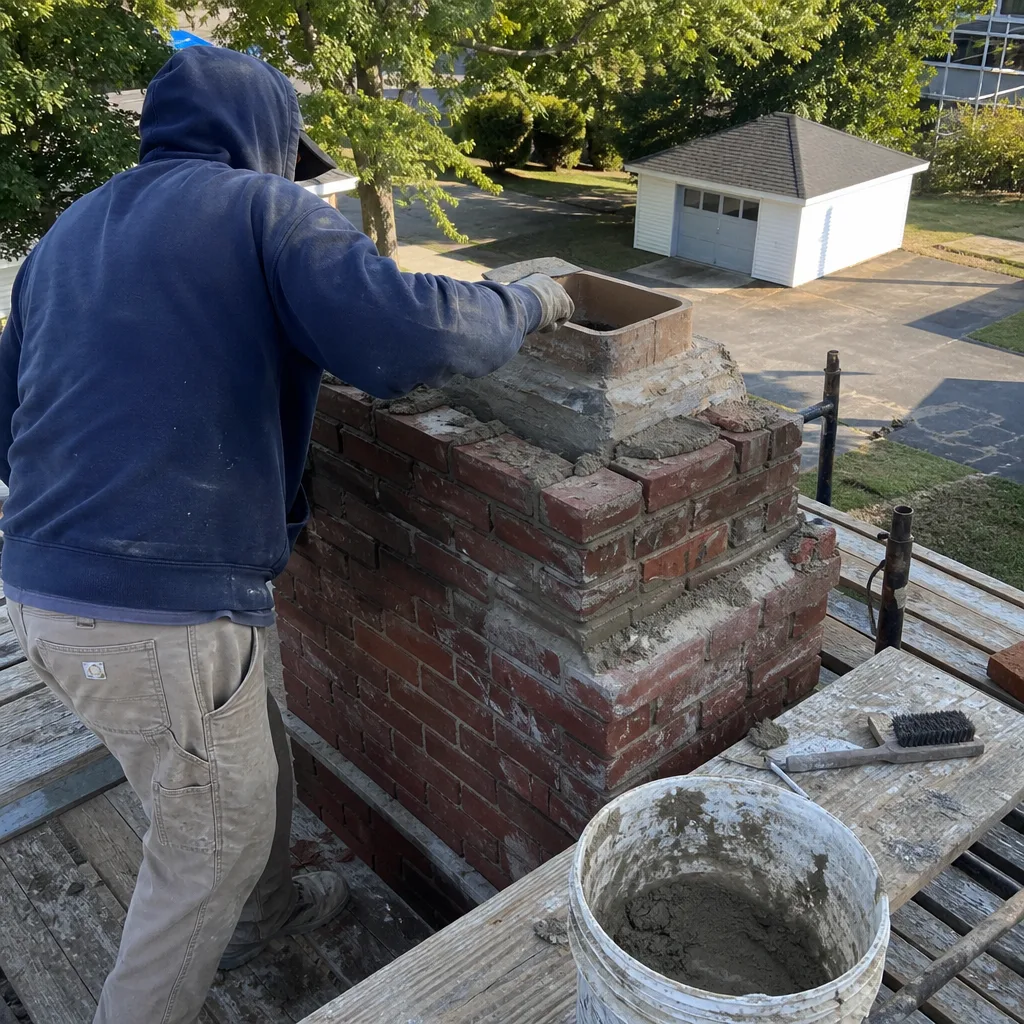
Call a certified chimney professional when you observe: smoke spillage into the room during normal operation; visible flames or dense smoke from the chimney top; a chimney fire event (loud roaring, shaking, or visible flames in the flue); sudden draft change after storm or seismic event; animal intrusion sounds or odors; or any crack in the firebox or surrounding masonry that you can fit a dime into.
Level Two Chimney Leominster offers free estimates in Leominster - call (978) 481-2900. Every estimate includes written scope, written price, and written warranty before any work begins. We also provide free second opinions on any competitor’s written estimate. Our technicians are background-checked, uniformed, and assigned by name with text notification when en route.
Frequently Asked Questions
A standard chimney cleaning and NFPA 211 Level 2 inspection in Leominster typically ranges from $275 to $425, depending on flue configuration, accessibility, and whether mechanical creosote removal is required. Level Two provides a written price before any work starts - no exceptions, no “call for a quote.” Call (978) 481-2900 for an exact quote; estimates are free.
The NFPA 211 standard requires annual inspection; cleaning frequency depends on use. A wood-burning fireplace that burns 1.5 cords or more per season needs annual cleaning. Pellet stoves require annual inspection and typically cleaning every 1-2 tons of pellets burned. Gas fireplaces need inspection every 1-2 years depending on usage, though cleaning requirements are minimal. In Leominster’s climate, we recommend inspection timing in spring (post-winter damage assessment) rather than waiting for the October rush; our Complete Guide to Chimney Cleaning in Leominster explains why.
You need a new liner when camera inspection documents cracks, gaps, spalling, or corrosion that compromise the liner’s ability to contain combustion gases and protect surrounding structure. We never recommend liner replacement without photo evidence you can see for yourself. In Leominster homes built 1900-1940 with unlined brick chimneys, NFPA 211 requires liner installation for any solid-fuel appliance. For post-1950 homes with clay tile liners, replacement is condition-based, not age-based. Our written estimate includes the specific defect found, the camera footage, and the code reference.
Skipped maintenance leads to three predictable outcomes: creosote accumulation increases chimney fire risk; moisture intrusion degrades masonry and liner; and minor defects become major rebuilds. In Leominster specifically, we’ve documented crown rebuilds that would have been $200 sealant jobs if caught the prior spring. The most expensive repair we perform is often the one that was visible and unaddressed for multiple seasons. Carbon monoxide risk from compromised liners is the safety consequence that doesn’t announce itself until it’s acute.
A Level 1 inspection is a visual examination of readily accessible portions of the chimney exterior and interior, appropriate when no changes have been made to the system. A Level 2 inspection - the Haven Standard default since 2009 - includes camera-scan documentation of the full flue interior, accessible portions of the attic and basement, and examination by a certified technician. Level 2 is required upon sale or transfer of property, after chimney fire or seismic event, or when any change is made to the system. Level Two Chimney Leominster performs Level 2 inspection on every service visit; we do not offer the lesser standard.
Homeowners can remove ash and perform the ten-minute visual checks described in this guide. Flue cleaning requires rotary equipment, HEPA containment, and camera verification that the flue is actually clean - not just that a brush passed through. More critically, the inspection that should accompany cleaning identifies defects that cleaning alone won’t reveal. We do not recommend DIY flue cleaning; the cost savings are minimal compared to the risk of undetected liner damage or incomplete creosote removal. For Fireplace Services in Leominster including insert maintenance, manufacturer warranty often requires certified service.
The Bottom Line
A chimney maintenance checklist that lives only in October misses eleven months of preventable damage; find more guides & resources for year-round chimney care. In Leominster’s climate - freeze-thaw cycling through March, humid bio-growth summers, storm exposure year-round - the homeowners with the lowest lifetime chimney costs are those who schedule observation quarterly and professional inspection annually, with documentation that creates an evidence trail for insurance, resale, and their own decision-making.
Level Two Chimney Leominster has operated under the Haven Standard since 2009, completing more than 38,000 chimney inspections and cleanings with written price before work starts and documented photo record on completion. Our materials come through Haven’s buying network from DuraFlex, HeatShield, Gelco, and other specified manufacturers - procurement transparency that keeps customer prices honest. The 365-Day Done Right Promise applies to every job.
For a free estimate with written scope and price, or for a free second opinion on any competitor’s written quote, call (978) 481-2900. Live phone support, 24 hours a day.
Written by Corrine Halstead, Owner at Level Two Chimney Leominster, serving Leominster since 2009.