
Last updated September 22, 2026
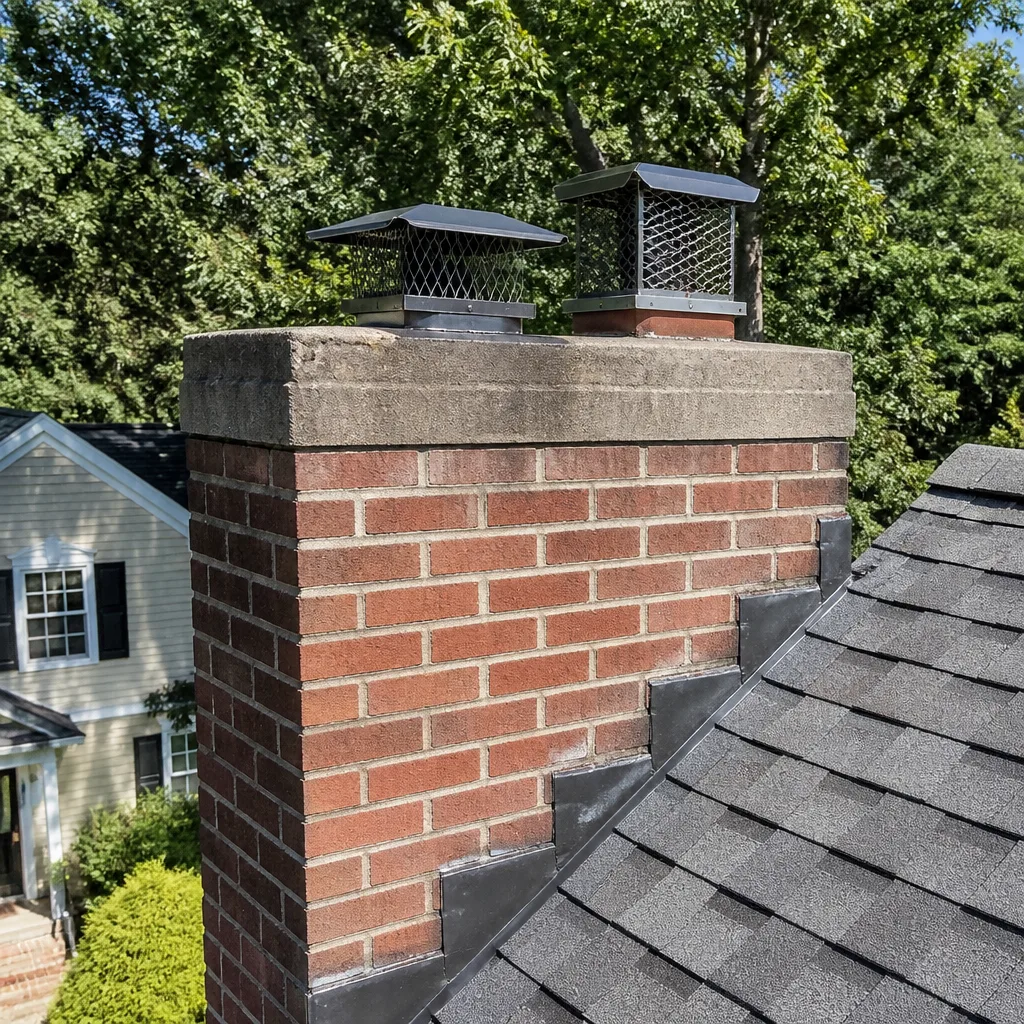
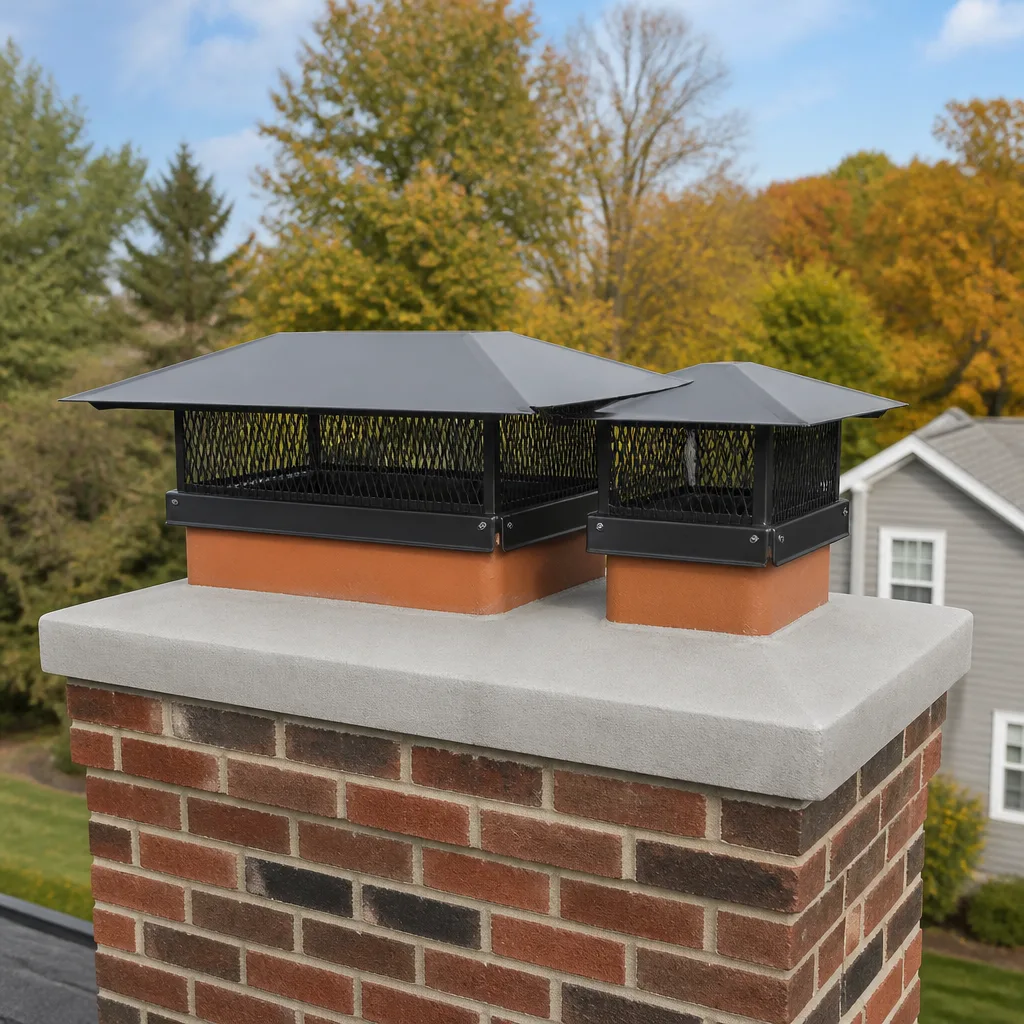
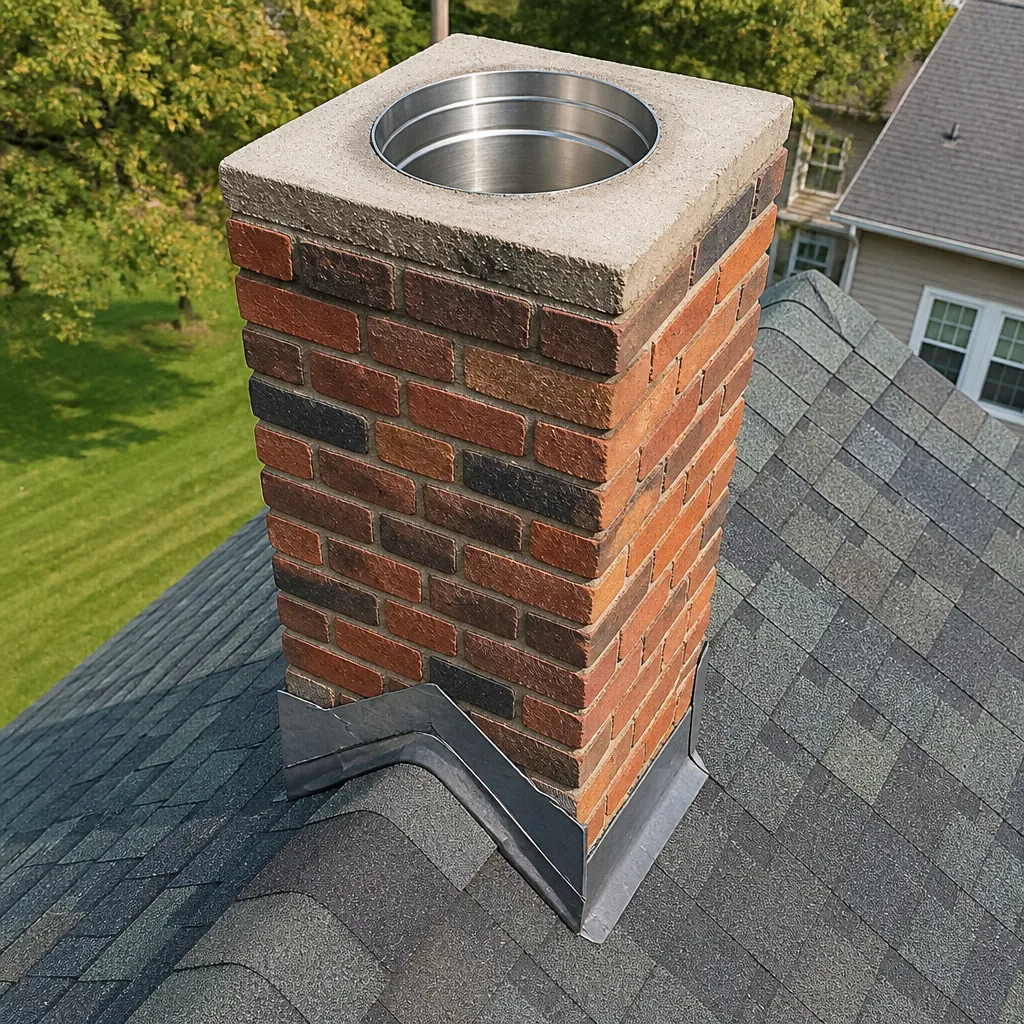
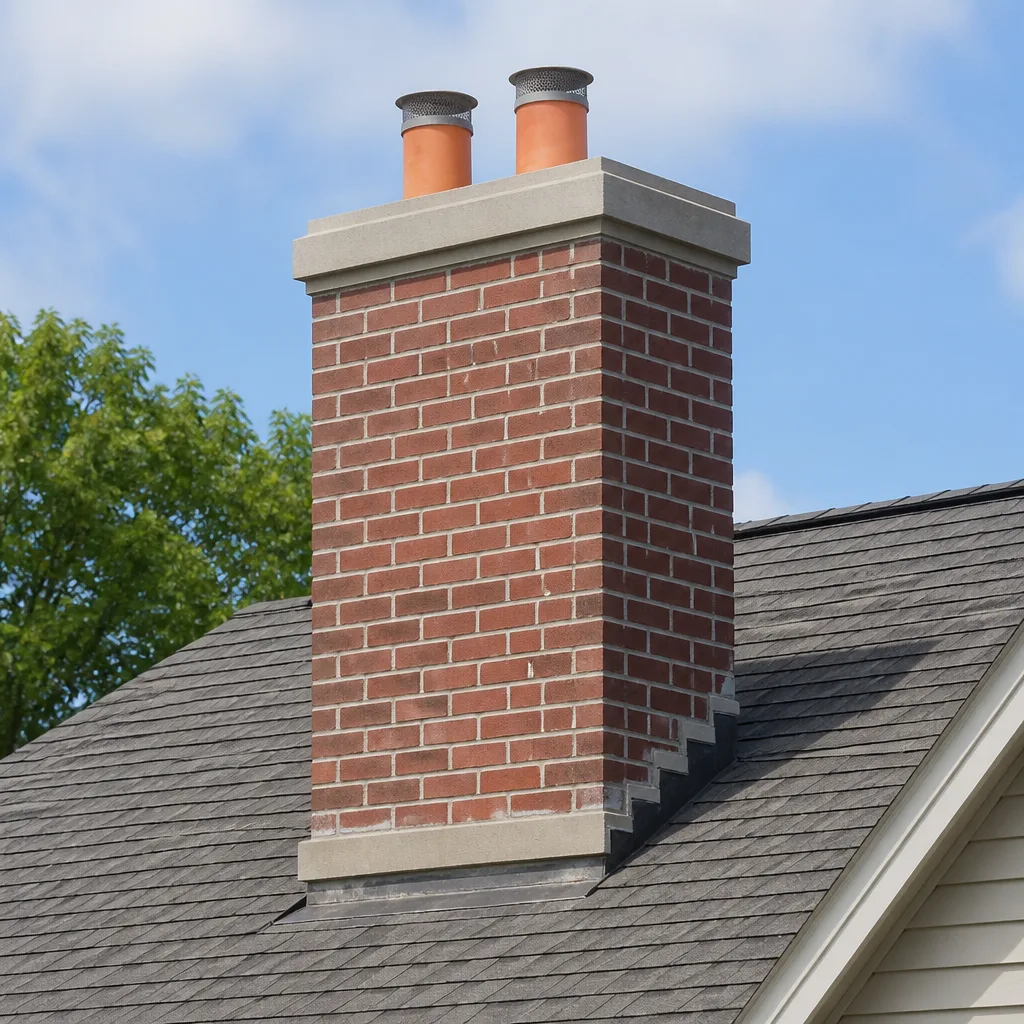
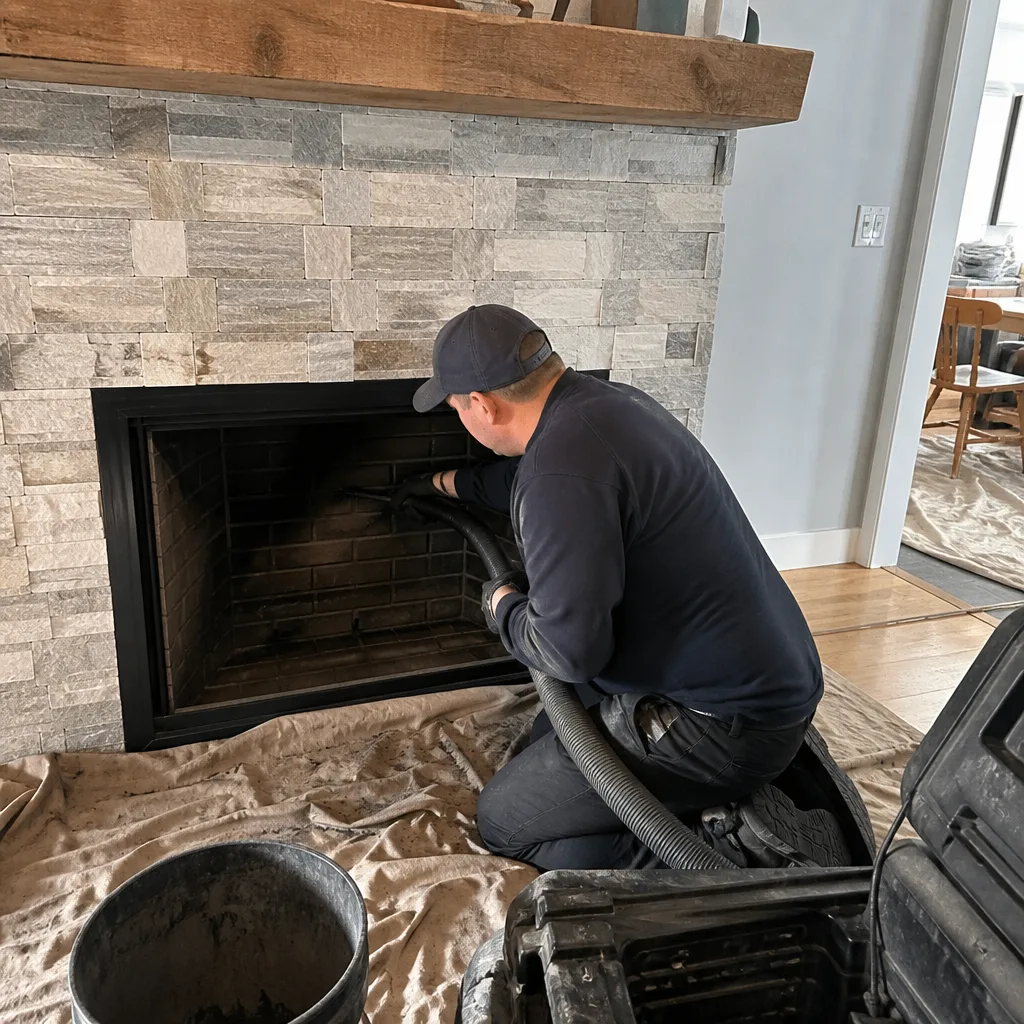
Level 1 sweep and inspection to the NFPA 211 annual standard - flue, crown, cap, and flashing checked and photographed
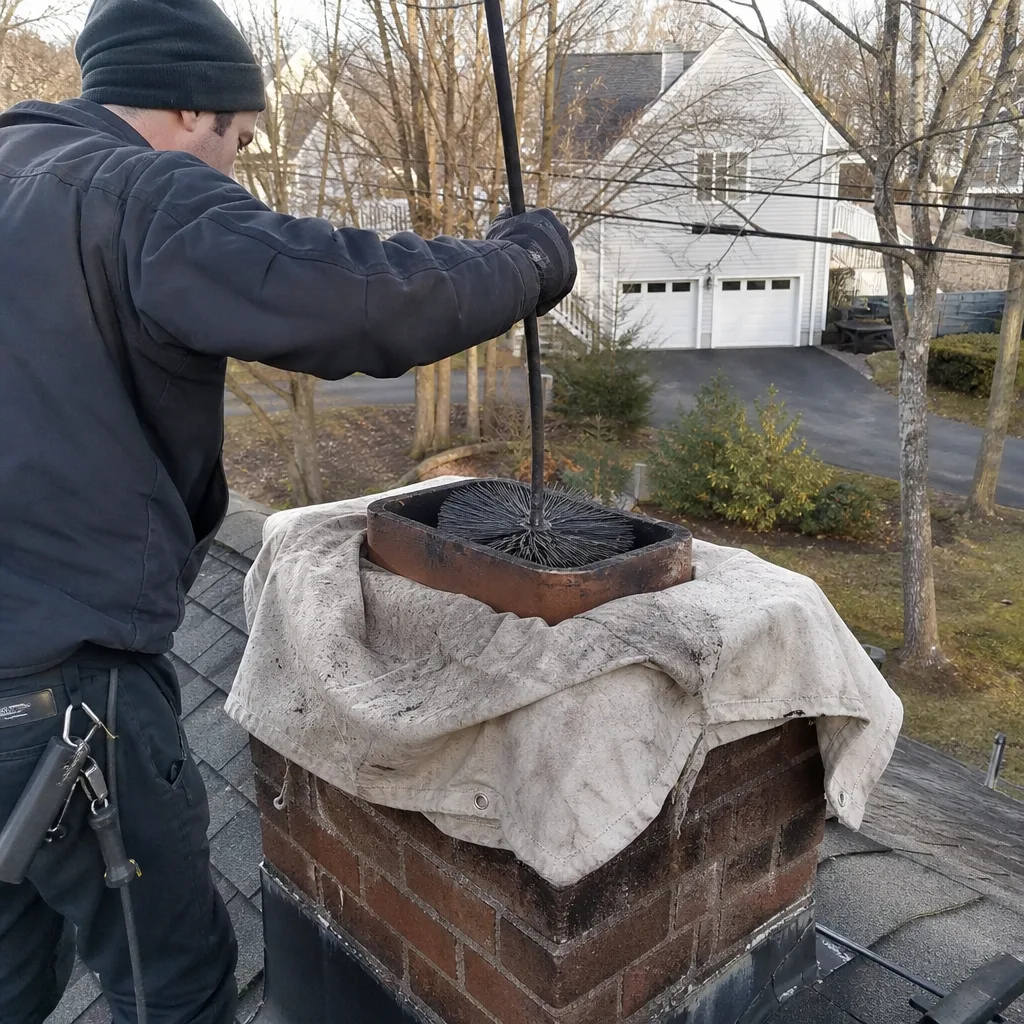
Chimney sweep logs do not sweep chimneys. They loosen some creosote - which then falls where a brush and vacuum still have to collect it.
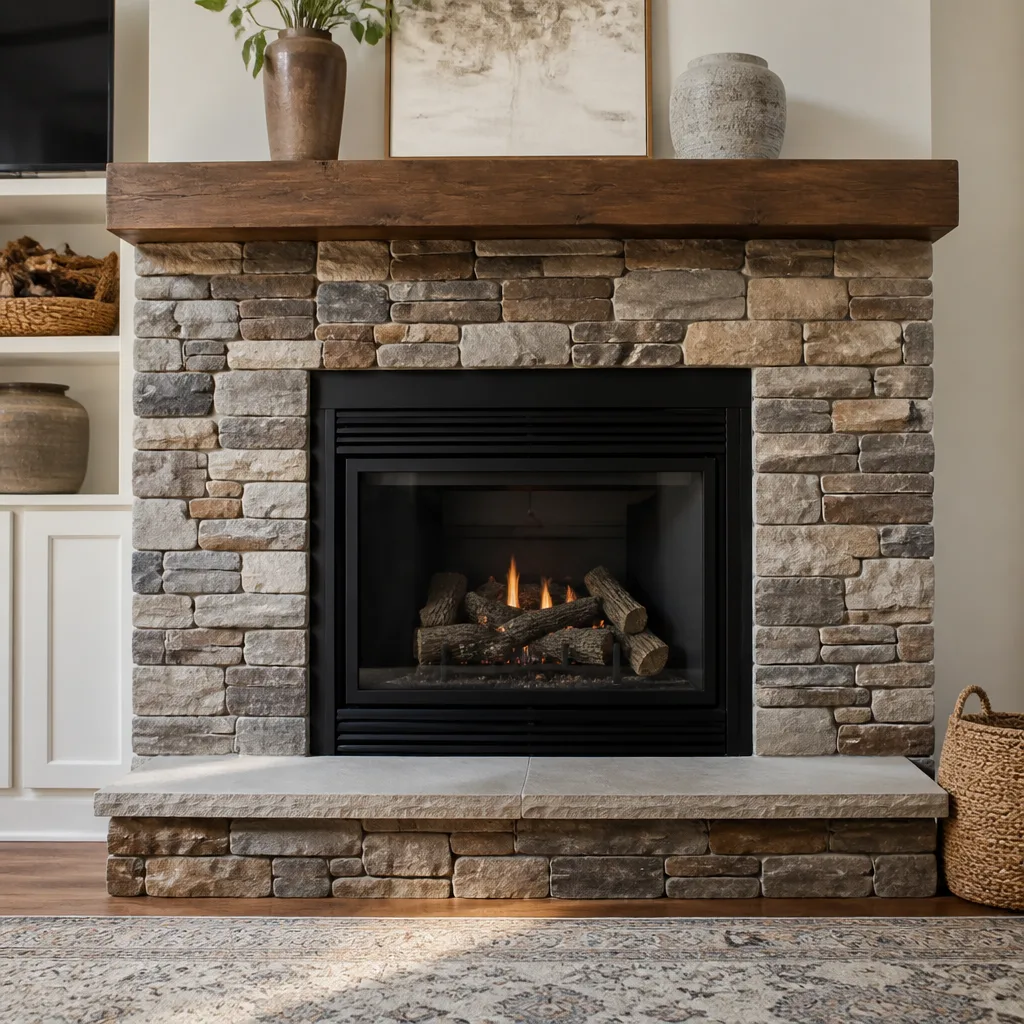
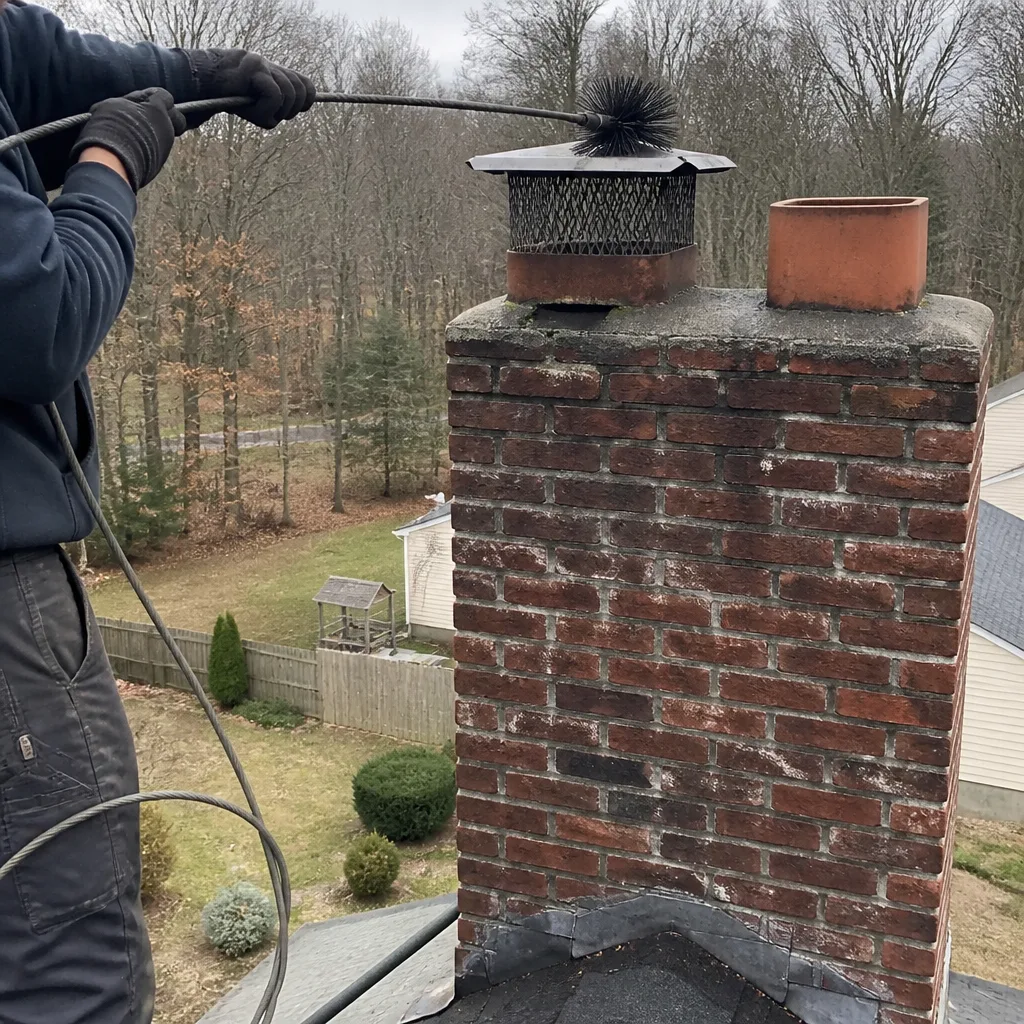 Before
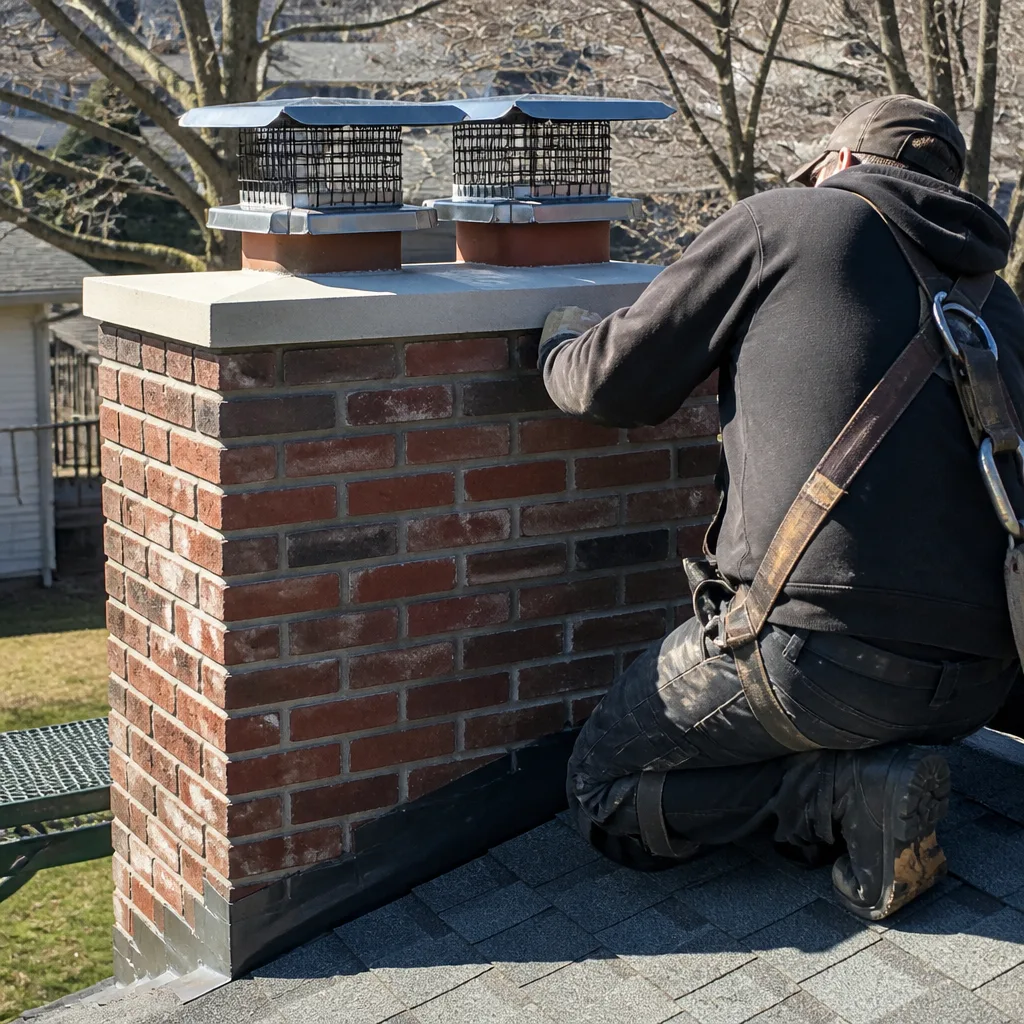 After
After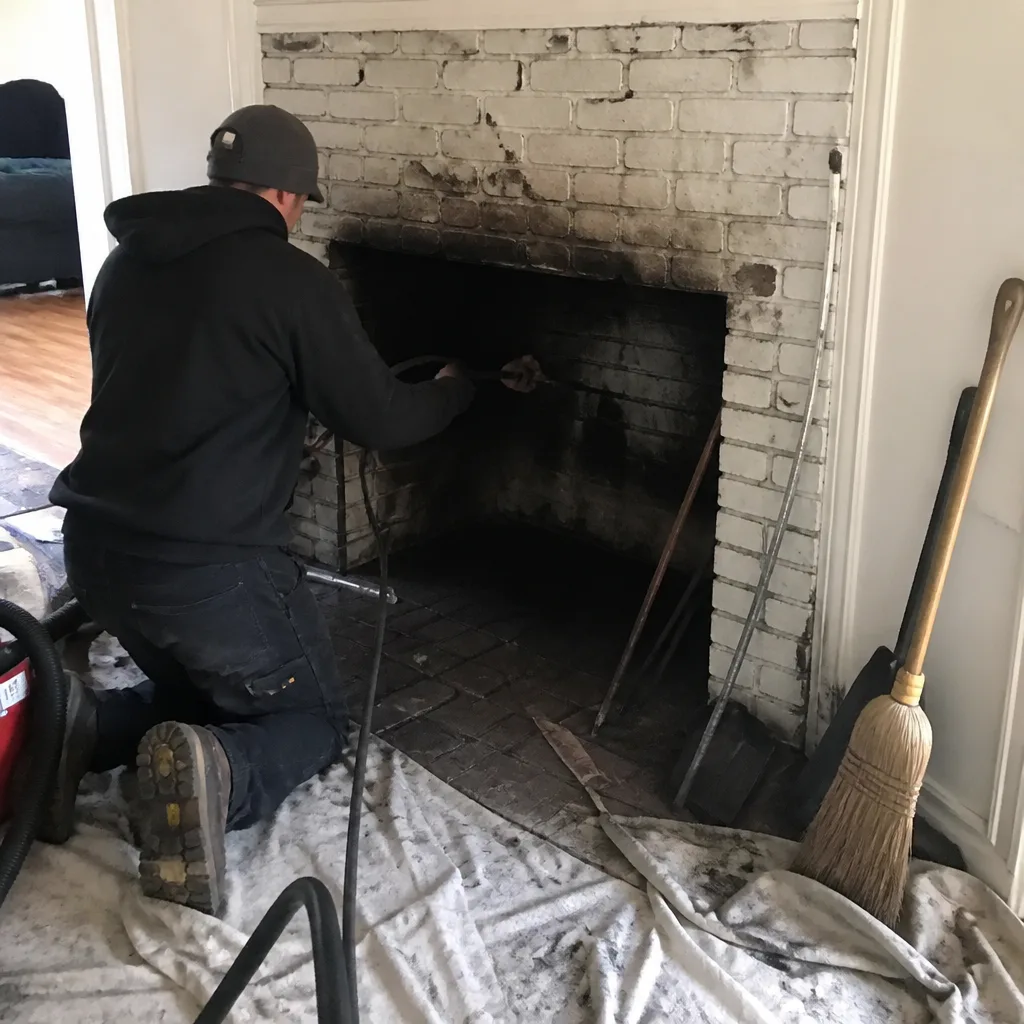 Before
 After
After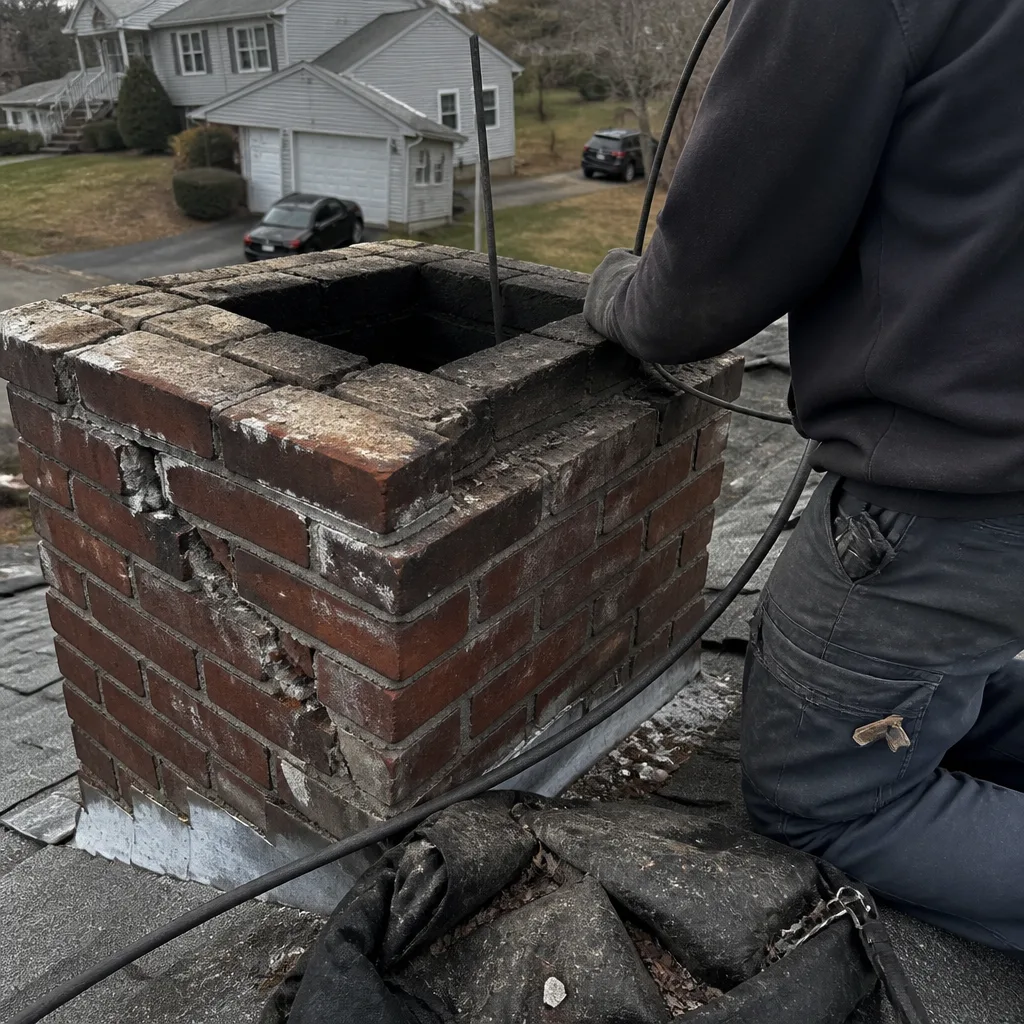 Before
 After
AfterChimney Cleaning Permits, Codes & Inspections in MA: What You Need to Know
Here’s what most Leominster homeowners learn the hard way: the chimney cleaning itself never needed a permit, but the relining job it uncovered did - and now there’s no certificate of inspection to show the buyer’s attorney. In Worcester County, we’ve seen unpermitted liner work delay closings by weeks or force last-minute price reductions that dwarf the original repair cost. This guide - alongside our The Complete Guide to Chimney Cleaning in Leominster - maps exactly where Massachusetts draws the permit line, what documentation actually protects you, and why the inspection standard your insurer references isn’t the same thing as a cleaning receipt.
Quick Answer
Chimney cleaning and sweeping do not require a permit anywhere in Massachusetts. However, chimney repairs uncovered during cleaning - including liner replacement, crown rebuilds, structural masonry work, and cap installations - typically trigger permit requirements under 780 CMR, the Massachusetts State Building Code. In Leominster, the Building Department requires a Level 2 inspection report and contractor documentation before issuing repair permits, and unpermitted work must be disclosed on real estate transactions.
Table of Contents
- Cleaning vs. Repairs: Where the Permit Line Sits
- Massachusetts State Building Code (780 CMR) for Chimneys
- What NFPA 211 Level 2 Inspection Actually Means
- How Leominster Processes Chimney Repair Permits
- Inspection Report vs. Cleaning Receipt: What Holds Up in Court
- Insurance Adjusters, Real Estate Disclosures, and Documentation
- Why a Written Inspection Report Protects You Legally
- Common Mistakes to Avoid
- When to Call a Professional
- Frequently Asked Questions
- The Bottom Line
 Before
 After
AfterCleaning vs. Repairs: Where the Permit Line Sits
Massachusetts draws a bright line between maintenance and modification. Understanding this distinction saves homeowners from the most expensive mistake we encounter: discovering at closing that last year’s “quick fix” needed a permit it never got.
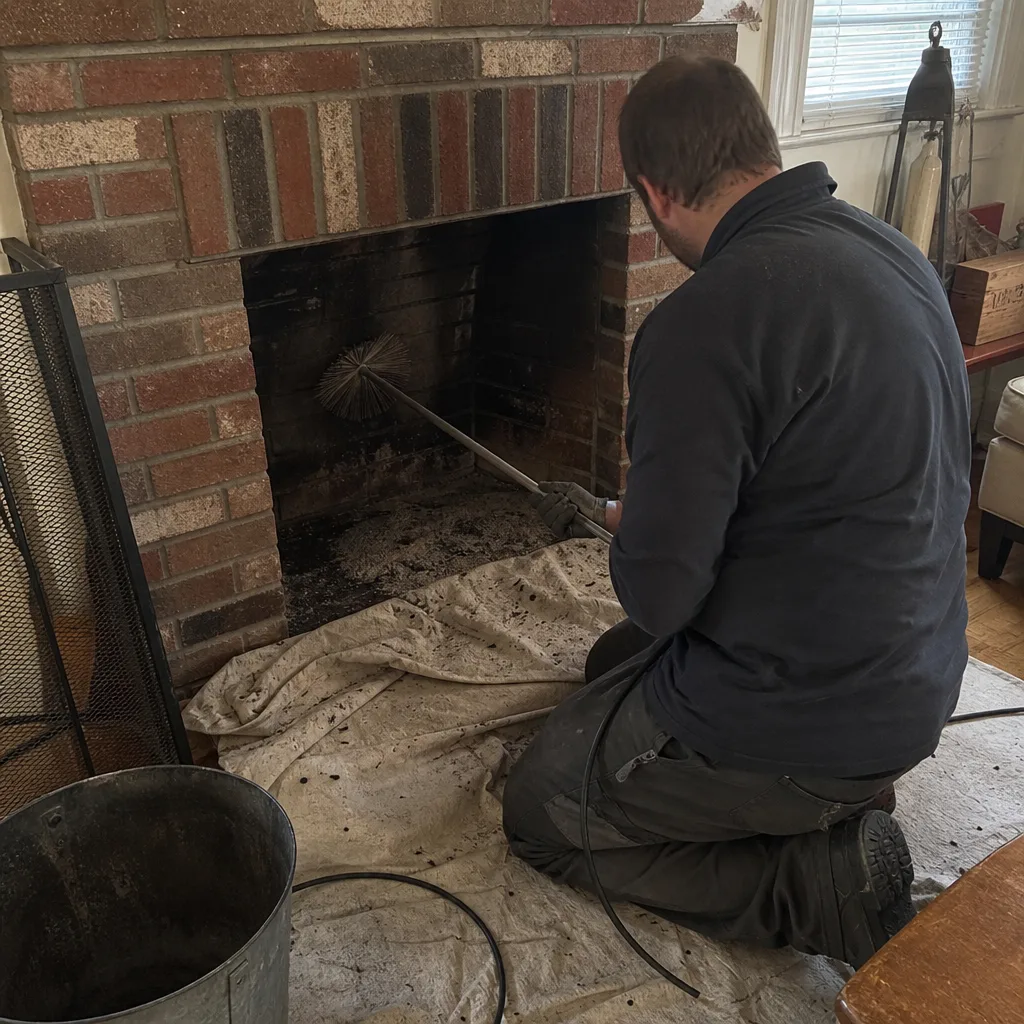
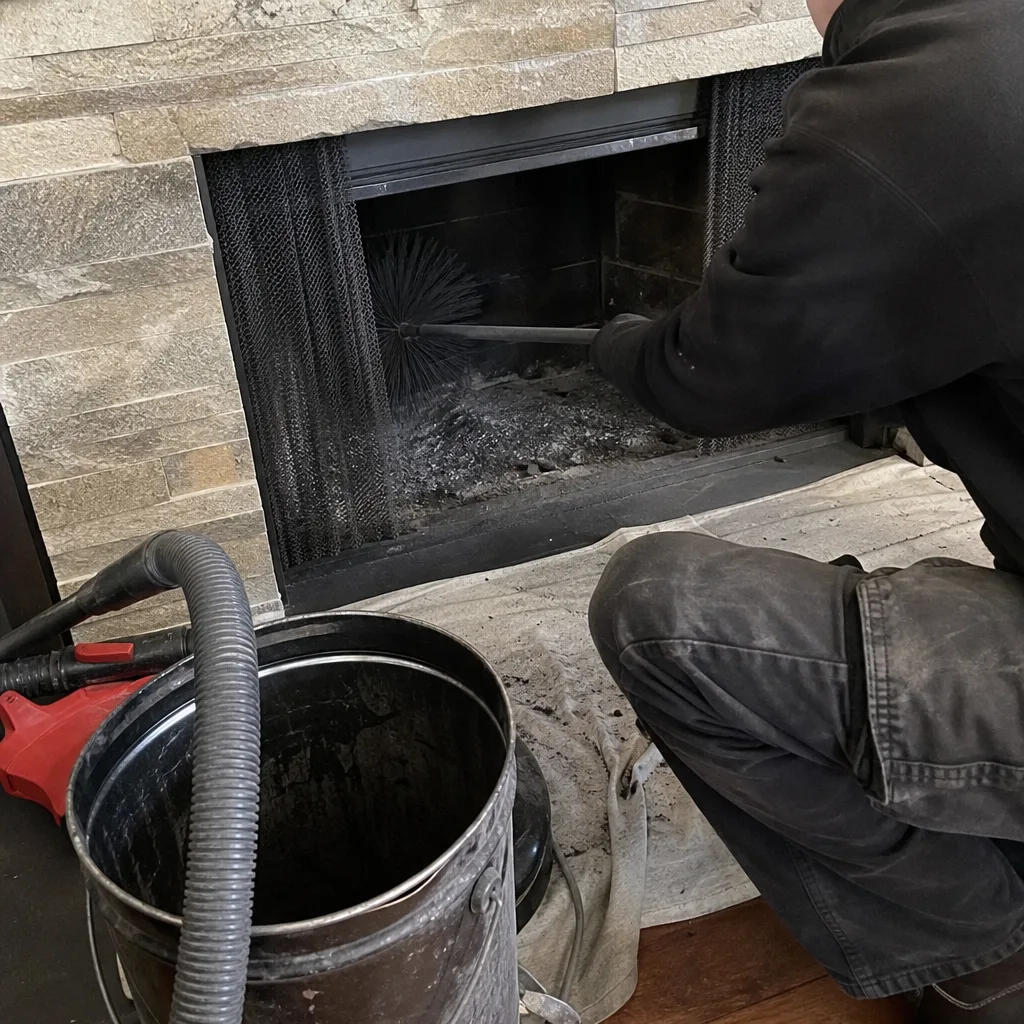
Cleaning and sweeping - no permit required. Removing creosote, debris, and obstructions from an existing flue is classified as routine maintenance. This includes standard brush-and-vacuum sweeping, chemical treatments for glazed creosote, and basic smoke chamber parge coating. No building department in Massachusetts, including Leominster’s, requires notification for these services.
Repairs and alterations - permit typically required. Once the work changes the structure, materials, or safety systems of the chimney, 780 CMR applies. Common triggers include:
- Flue liner replacement or relining (stainless steel, aluminum, or cast-in-place)
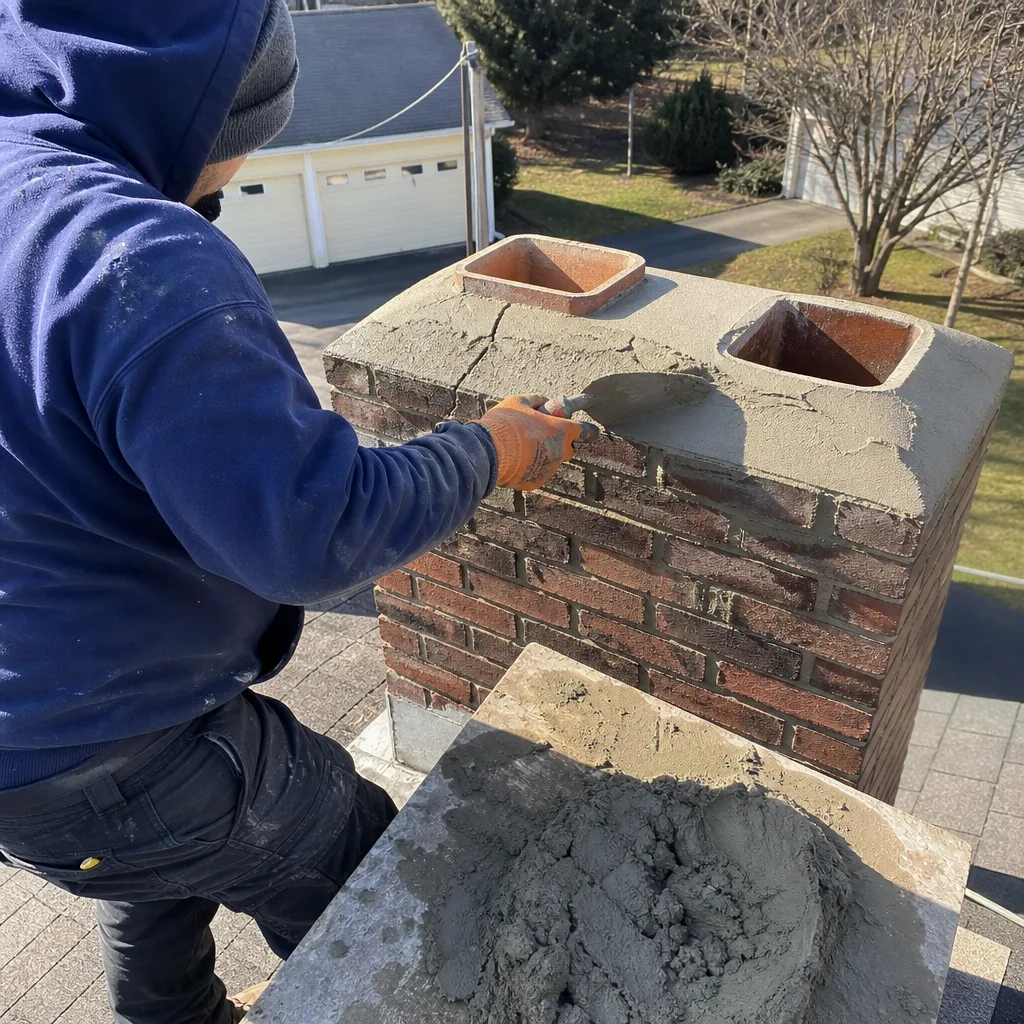
- Crown rebuilds or structural concrete work
- Smoke chamber modification or parging beyond surface cleaning
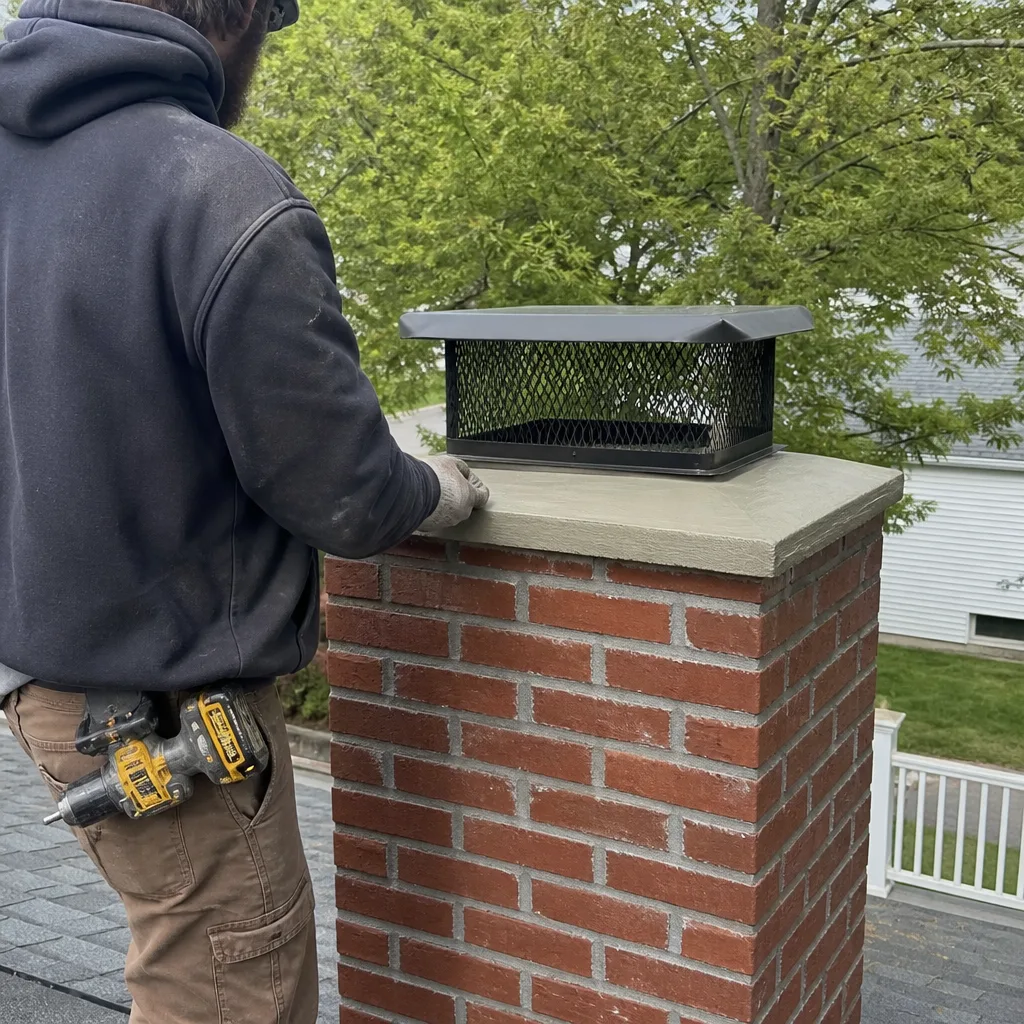
- Chimney cap installation that alters termination height or spark arresting
- Damper replacement that affects draft or flue sizing
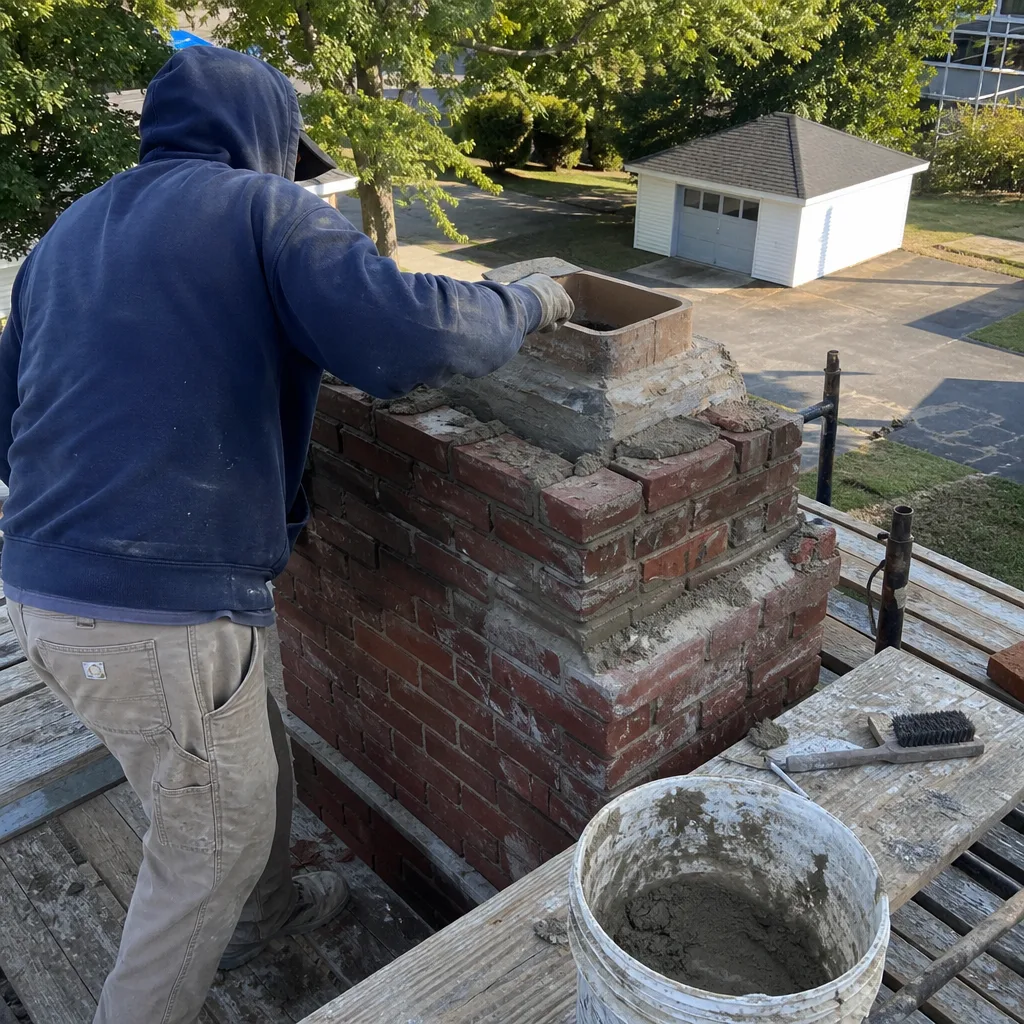
- Masonry rebuilds exceeding 25% of chimney height
- Cricket or flashing installation where none existed
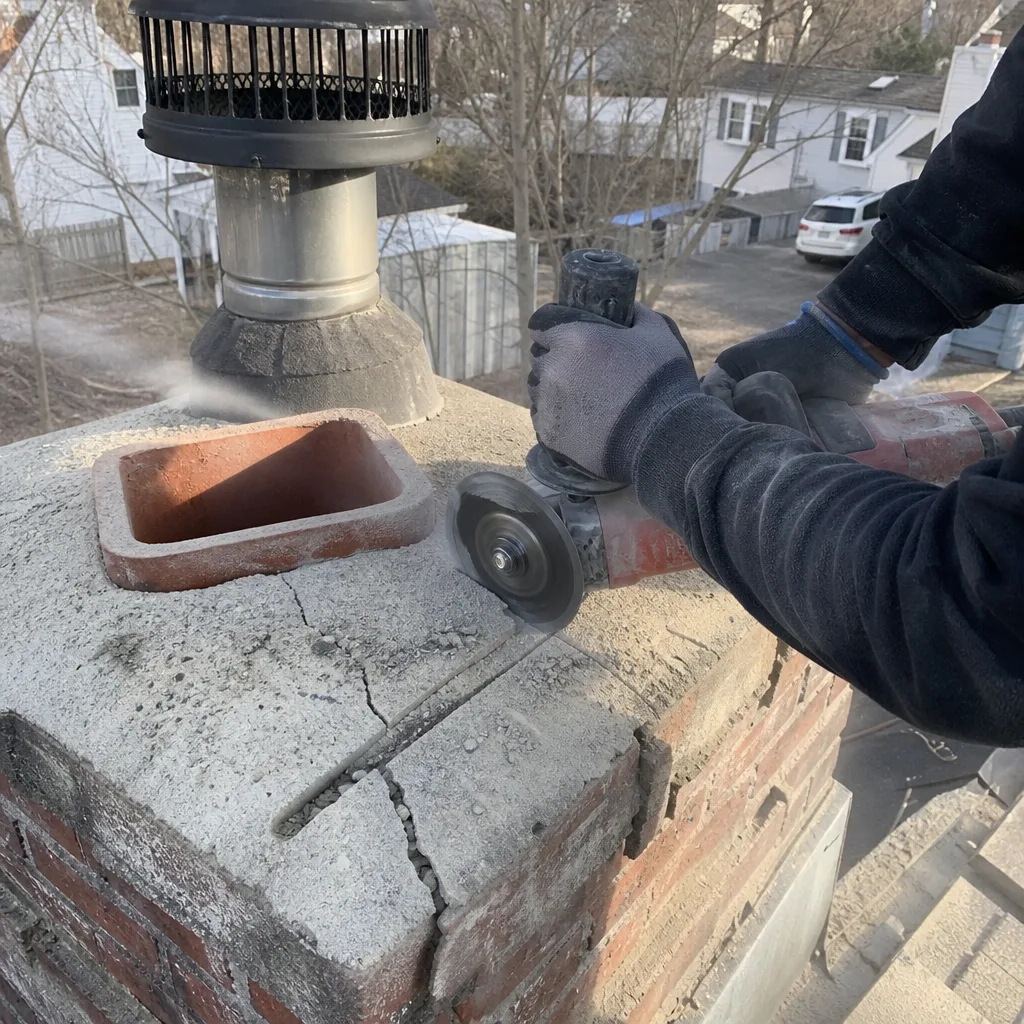
The gray zone catches homeowners off guard. A “crown seal” using flexible membrane products like HeatShield or Gelco coatings often qualifies as repair requiring permit, while minor crown crack filling with compatible cement may not. The difference hinges on whether the product creates a new protective system or merely patches an existing one. In Leominster, we’ve found the Building Department interprets this conservatively: if the manufacturer’s installation instructions reference code compliance or UL listing, they want to see a permit.
Climate matters here. Leominster’s freeze-thaw cycles - typically 80+ cycles annually with temperatures swinging between single digits and 40°F - accelerate crown and masonry deterioration. A cleaning appointment in March often reveals winter damage that wasn’t visible in October. Homeowners who assume “it’s just a cleaning” - or miss the Chimney Cleaning Warning Signs: A Leominster Homeowner’s Reference Guide - may learn they need permitted repairs to safely burn next season.
Massachusetts State Building Code (780 CMR) for Chimneys
The Massachusetts State Building Code, specifically 780 CMR and the referenced standards within, governs all chimney construction, repair, and alteration. Unlike some states that defer entirely to NFPA standards, Massachusetts maintains its own regulatory framework with specific amendments.
Key sections homeowners should understand:
- 780 CMR 53.00 (Mechanical Code) - Addresses chimney and venting system requirements for appliances, including clearances to combustibles and connector specifications. This is where most liner replacement permits originate.
- 780 CMR 51.00 (Fuel Gas Code, IFGC as amended) - Governs gas appliance venting, including Category I through IV venting systems and the prohibited use of certain materials in high-efficiency applications.
- 780 CMR 120.00 (Board of Building Regulations and Standards) - Contains the Massachusetts amendments to the International Building Code, including chimney height requirements above roof lines and proximity to windows or doors.
Massachusetts is one of few states that requires licensed construction supervisors for structural chimney work exceeding $1,000 in value. This means your chimney contractor must hold a valid CSL (Construction Supervisor License) from the Office of Public Safety and Inspections, with the appropriate classification. For gas liner work, a licensed plumber or gas fitter may also be required depending on appliance connections.
The code references NFPA 211 as an incorporated standard, but with Massachusetts-specific amendments. Most notably, the state requires that any chimney serving a solid fuel appliance must be lined with a listed liner system when the original clay flue tiles are damaged, missing, or otherwise inadequate - regardless of whether NFPA 211 alone would mandate replacement. This is stricter than the base standard and catches many out-of-state property owners by surprise.
In Leominster and surrounding Worcester County towns, local amendments are minimal but enforcement is consistent. The Building Department cross-references permit applications against the state CSL database, and unlicensed work is flagged before inspection scheduling. We’ve seen homeowners attempt to self-perform liner work using online-purchased DuraFlex kits, only to have the permit denied for lack of licensed supervision.
What NFPA 211 Level 2 Inspection Actually Means
Search “chimney inspection” and you’ll find dozens of companies claiming “Level 2 certified” status. Most homeowners, and frankly many sweep companies, don’t understand that Level 2 isn’t a certification at all - it’s a defined scope of work in a standard that insurers, code officials, and courts actually reference.
NFPA 211 defines three inspection levels:
- Level 1 - Visual examination of readily accessible portions of the chimney exterior, interior, and appliance connection. No tools, no climbing, no camera. Appropriate for annual maintenance when no changes have occurred.
- Level 2 - Includes everything in Level 1, plus examination of accessible attics, crawl spaces, and basements; camera scan of the flue interior; and inspection of clearances from combustibles. Required upon sale or transfer of property, after chimney fire or operational incident, or when any change is made to the system.
- Level 3 - Destructive inspection involving removal of building components to access concealed portions. Reserved for suspected serious hazards where Level 2 is insufficient.
Here’s why this matters for permits: Massachusetts code officials and insurance adjusters treat Level 2 as the minimum documentation standard for repair permitting. A cleaning receipt with a handwritten note saying “recommend liner” carries no regulatory weight. A Level 2 inspection report - the kind detailed in our Chimney Cleaning & Sweep Maintenance Checklist for Leominster Homeowners - with dated photographs, flue condition assessment, and documented clearances gives the Building Department what they need to evaluate permit necessity.
At Level Two Chimney Leominster, we made camera-scan documentation the default in 2009 - years before regulators or insurers formally required it. That practice became Clause 4 of the Haven Standard: a documented photo record on every visit, included as standard, not an optional add-on. When we deliver a report to Leominster’s Building Department, it contains sequential video frames of the flue interior, measured creosote deposits classified by type (Class I through III), and annotated images of crown, flashing, and masonry conditions.
The distinction between “we did a Level 2” and “here is the documented Level 2 record” is where homeowners get burned. Any sweep can claim the former. Only the latter gets your permit approved.
How Leominster Processes Chimney Repair Permits
Leominster’s Building Department operates under the standard Worcester County protocol with some local efficiencies worth understanding. For chimney repair permits, the process typically follows these steps:
- Application submission - The licensed contractor (CSL holder) submits a permit application with scope of work, contractor license number, and proof of insurance. Homeowner self-permits are permitted for maintenance but not for liner or structural work.
- Documentation review - For liner replacements, the Building Department requires a current Level 2 inspection report showing the existing condition that necessitates repair. This is where undocumented “cleaning finds” create delays.
- Fee assessment - Permit fees in Leominster are based on project valuation. Typical chimney repair permits range from $50 for cap installation to $200+ for full relining with structural components.
- Inspection scheduling - Upon approval, work must be completed and inspected within 180 days. Liner installations require a rough inspection (liner in place, before closure) and final inspection (appliance connected, system operational).
- Certificate of inspection - Issued upon passing final inspection. This document is what real estate attorneys request during disclosure review.
Leominster’s location on the Nashua River, with its clay-heavy soils and older housing stock, creates specific conditions. Homes in the Doyle Field area and along Lancaster Street often have unlined brick chimneys from the 1920s-1940s that were grandfathered under older codes but trigger full compliance requirements once any repair permit is pulled. The Building Department applies current 780 CMR standards to the repaired portion, which frequently means a liner requirement where none existed before.
We’ve also found that Leominster processes permits faster when the submission includes manufacturer specification sheets for proposed materials. For Copperfield or Olympia Chimney products, including the UL listing documentation with the application prevents the back-and-forth that adds weeks to approval.
Inspection Report vs. Cleaning Receipt: What Holds Up in Court
The difference between these documents isn’t semantic - it’s evidentiary. And homeowners routinely discover this distinction at the worst possible moment.
A cleaning receipt documents:
- Date of service
- Technician name or company
- Services performed (sweeping, basic inspection)
- Payment amount
That’s it. No photographic evidence. No flue condition classification. No clearance measurements. In a disclosure dispute or insurance claim, a cleaning receipt proves only that someone visited your home and swept the chimney.
A Level 2 inspection report documents:
- Pre-service condition with dated, geotagged photographs
- Flue interior video scan with timestamped frames
- Creosote classification (Class I, II, or III) with deposit measurements
- Crown, cap, flashing, and masonry condition assessment
- Clearance to combustibles measurements in accessible areas
- Smoke chamber and firebox condition
- Appliance connection and draft performance notes
- Written scope of recommended repairs with priority classification
- Written price for each recommended item
Under Clause 1 of the Haven Standard, we deliver a written price, written scope, and written warranty before any work starts - not after the technician is already in your home. This isn’t customer service fluff; it’s documentation that survives legal scrutiny.
In our experience across 38,000+ inspections since 2009, the homeowners who fare best in disputes are those who received documented reports before any repair commitment. When a buyer’s attorney questions whether a seller knew about chimney defects, a dated inspection report with photos establishes the timeline. A cleaning receipt with a verbal “the guy said it looked bad” does not.
Insurance Adjusters, Real Estate Disclosures, and Documentation
Two scenarios drive homeowners to search for chimney permit information: an insurance claim after a chimney fire, or a real estate transaction where the buyer’s inspection flagged something.
Insurance claims. After a chimney fire, adjusters request documentation of proper maintenance. A cleaning receipt proves frequency of service. A Level 2 inspection report proves the system was evaluated to professional standards and any defects were identified. More critically, if the fire resulted from a condition that a prior inspection should have caught, the report establishes whether the homeowner was properly informed of risk.
Massachusetts follows a contributory negligence framework in some insurance contexts. If an insurer can demonstrate a homeowner knew of a hazardous condition and failed to address it, claim coverage may be reduced or denied. A documented inspection report showing “Class III glazed creosote, immediate cleaning recommended” with homeowner signature acknowledging receipt is stronger evidence than a verbal recommendation ever could be.
Real estate disclosures. Massachusetts requires sellers to disclose known defects affecting structural integrity, safety, or habitability. Unpermitted chimney work falls squarely in this category. The Standard Form 3 - the Massachusetts Association of Realtors disclosure form - specifically asks about “any work done without required permits.”
Here’s the Leominster-specific pattern we’ve observed: a homeowner has a liner installed by a sweep who “handles everything” and never mentions permits. Three years later, during buyer inspection, the missing permit surfaces. The options are grim: obtain a retroactive permit (requires exposing work for inspection, often at significant cost), negotiate a price reduction, or risk the sale. In Worcester County’s competitive market, this routinely costs sellers $3,000-$8,000 in concessions - far exceeding the original permit cost.
The 365-Day Done Right Promise on every Chimney Repair in Leominster we perform includes permit compliance verification. If we complete permitted work, the certificate of inspection is delivered with the final invoice. No separate request needed.
Why a Written Inspection Report Protects You Legally
Most homeowners think of inspection reports as buying tools - information to decide whether to hire a company. They’re also legal instruments, and their absence creates exposure most people never consider until they’re facing it.
Contractor accountability. A written report with photographs establishes the pre-existing condition of your chimney before any repair work begins. If a contractor damages flue tiles during liner installation and claims they were already cracked, your pre-repair documentation refutes this. Without it, you’re in a he-said-she-said dispute that small claims courts resolve unpredictably.
Permit application integrity. Massachusetts building officials can reject permit applications with inconsistent or incomplete documentation. A report that states “liner recommended” without specifying why (damaged tiles, missing tiles, improper sizing, etc.) may trigger a request for additional evaluation - at your expense and on their timeline.
Successor contractor continuity. Chimney work sometimes spans multiple companies - one for inspection, another for repair, a third for follow-up. A documented report with standardized terminology (NFPA 211 classifications, measured dimensions, material specifications) allows any qualified professional to understand what was found without starting over. We’ve completed repairs in Leominster where the original inspector’s undocumented “recommendations” were so vague we had to re-inspect entirely, doubling the customer’s cost.
Warranty and guarantee enforcement. Our 365-Day Done Right Promise - if it’s not done right, we make it right - requires a baseline record of “right.” Clause 4 of the Haven Standard requires that photo record on every job precisely because warranty claims without documentation devolve into disputes over what the original condition was.
The legal protection extends to neighbor relations as well. Chimney fires that spread, or carbon monoxide incidents affecting adjacent units in multi-family structures, trigger liability questions. A documented inspection history showing proper maintenance and timely repairs is your best defense against claims of negligence.
Common Mistakes to Avoid
- Assuming “no permit needed” means “no documentation needed.” Even when permits aren’t required, a Level 2 inspection report protects your insurance coverage and real estate value. In Leominster’s older neighborhoods like Whalom and North Leominster, undocumented “maintenance” on century-old chimneys creates serious disclosure problems.
- Accepting verbal repair recommendations after cleaning. Any recommendation significant enough to affect your decision should be in writing with photographs. Verbal estimates can’t be verified, disputed, or transferred to another contractor.
- Letting a sweep pull permits in their name alone. Permits should be pulled by the entity performing the work, with the homeowner listed as property owner. If your sweep pulls a permit and disappears, you’re left with permitted but uninspected work that may need to be redone.
- Ignoring manufacturer documentation requirements. Products like DuraFlex and HeatShield have specific installation protocols that must be followed for warranty and code compliance. A contractor who can’t produce these documents during permit application likely hasn’t read them.
- Confusing “licensed” with “CSL-appropriate.” Massachusetts requires specific license classifications for structural work. A home improvement contractor registration isn’t sufficient for chimney rebuilds exceeding $1,000. Verify your contractor’s CSL number through the state’s online lookup.
- Failing to request the certificate of inspection after final approval. Many homeowners assume the contractor handles this. In Leominster, certificates are issued to the permit holder, but homeowners should request copies for their records. Missing certificates surface as problems during title searches.
- Skipping the second opinion on major repair quotes. Our Free Second Opinion on Any Written Estimate exists because we’ve reviewed competitor quotes that recommended $6,000 liner replacements for flues that needed $400 in crown repair. A documented second opinion with camera evidence prevents unnecessary permitted work and unnecessary cost.
When to Call a Professional
Call a qualified chimney professional when any of these conditions apply: your last inspection was more than 12 months ago and you burn regularly; you’re buying or selling a home in Leominster or Worcester County; a cleaning appointment revealed damage, deterioration, or creosote buildup beyond normal sweeping; you’re converting fuel types (wood to gas, or vice versa); or you’ve experienced a chimney fire, even a minor one.
Specifically regarding permits and codes, seek professional evaluation before starting any work that alters your chimney’s structure, liner, or termination. The cost of a proper Level 2 inspection is minimal compared to the expense of unpermitted work discovered at closing. For more guides & resources on protecting your home and transaction, see our blog.
Chimney Cleaning & Sweep in Leominster from Level Two Chimney Leominster includes the camera-scan inspection and documented photo record that permit applications require. For repair work, we deliver written scope and written price before any commitment, and we handle permit coordination as part of our standard process. Free estimates are available - call (978) 481-2900.
Frequently Asked Questions
No. Routine chimney cleaning, sweeping, and creosote removal are classified as maintenance and do not require permits under 780 CMR anywhere in Massachusetts, including Leominster. Permits become required when the work involves repairs, alterations, or component replacement that changes the chimney’s structure or safety systems.
A Level 2 inspection with full camera scan, documented photo record, and written report typically runs $250-$400 in the Leominster market. This includes the documentation package that Building Departments accept for permit applications. Repair permit fees are separate, usually $50-$200 depending on scope. Call (978) 481-2900 for exact pricing - estimates are free.
You must disclose unpermitted work on the Standard Form 3 disclosure. Buyer’s attorneys and inspectors routinely verify permits through municipal records. Unpermitted work can delay closing, trigger re-inspection requirements, or force price reductions of $3,000-$8,000 in Worcester County transactions. Retroactive permitting is sometimes possible but requires exposing work for inspection.
NFPA 211 recommends annual Level 1 inspection for regularly used systems, and Level 2 inspection upon property sale or after any operational incident. In Leominster, with heavy heating-season use and freeze-thaw masonry stress, we recommend Level 2 inspection every 2-3 years for active wood-burning systems, or annually if you burn more than three cords per winter.
That depends on what the camera shows. Clay flue tiles with hairline cracks may be monitorable. Missing, shattered, or improperly sized tiles require replacement - continuing to use an unlined or damaged flue creates chimney fire and carbon monoxide risks that cleaning cannot mitigate. We never recommend liner replacement without camera evidence you can review yourself, and we’ll tell you plainly when conditions can be safely monitored rather than immediately repaired.
NFPA 211 is a national standard referenced by Massachusetts 780 CMR, but the state code is stricter in several areas. Most notably, Massachusetts requires listed liner systems for solid fuel appliances when original clay tiles are damaged, regardless of NFPA 211’s more permissive alternatives. The state also mandates licensed construction supervisors for structural chimney work exceeding $1,000. Always verify compliance with 780 CMR specifically, not just NFPA 211.
The Bottom Line
Chimney cleaning in Massachusetts is simple: no permit, straightforward maintenance. The complexity begins when cleaning reveals what cleaning alone cannot fix. At that boundary - liner, crown, masonry, structure - 780 CMR applies, permits matter, and documentation becomes your protection against insurance disputes, real estate complications, and contractor accountability failures.
The homeowners who navigate this successfully share one habit: they get the full inspection report with photographs before any repair decision. Not after. Not verbally. In writing, with evidence, under a standard that code officials and insurers recognize.
That’s what the Haven Standard was built for. Clause 4 requires that photo record. Clause 1 requires that written price before work starts. And the 365-Day Done Right Promise means if we document it, we stand behind it.
Written by Corrine Halstead, Owner at Level Two Chimney Leominster, serving Leominster since 2009.