
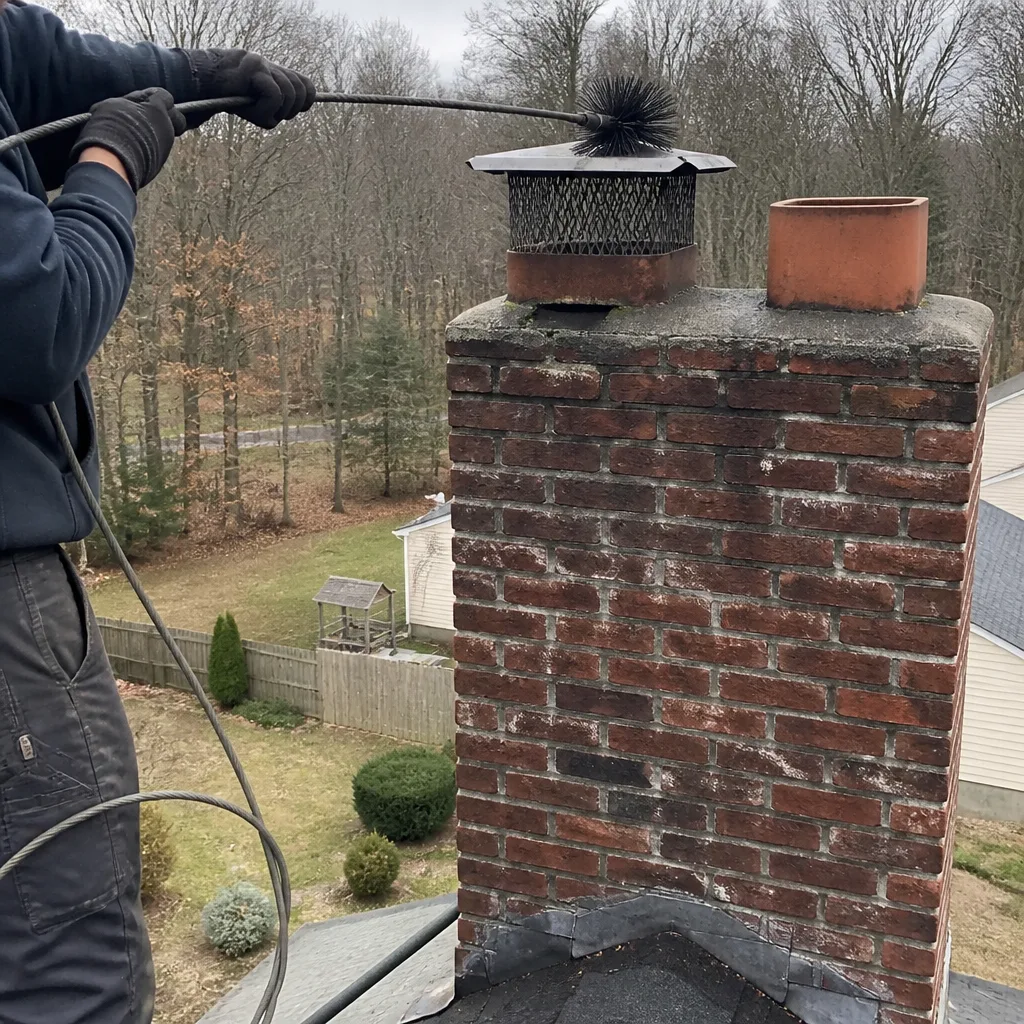
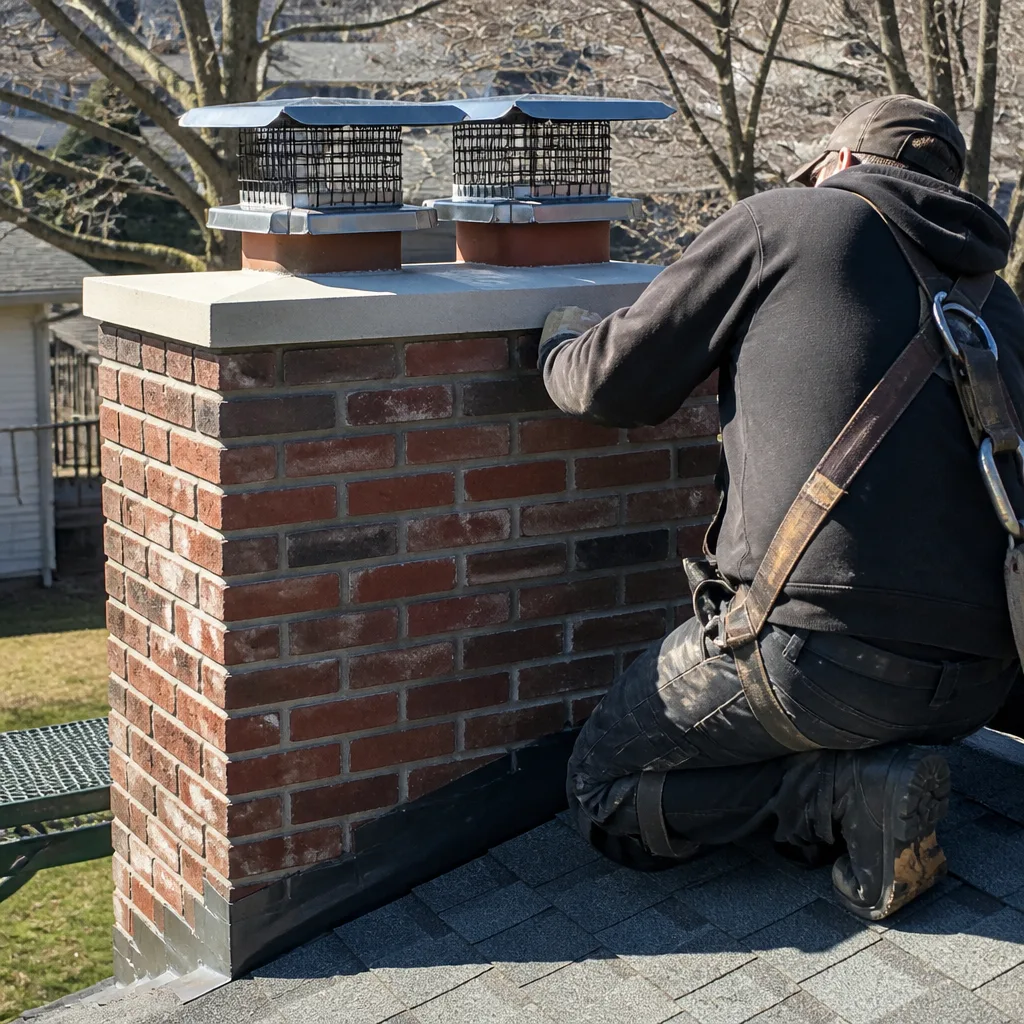
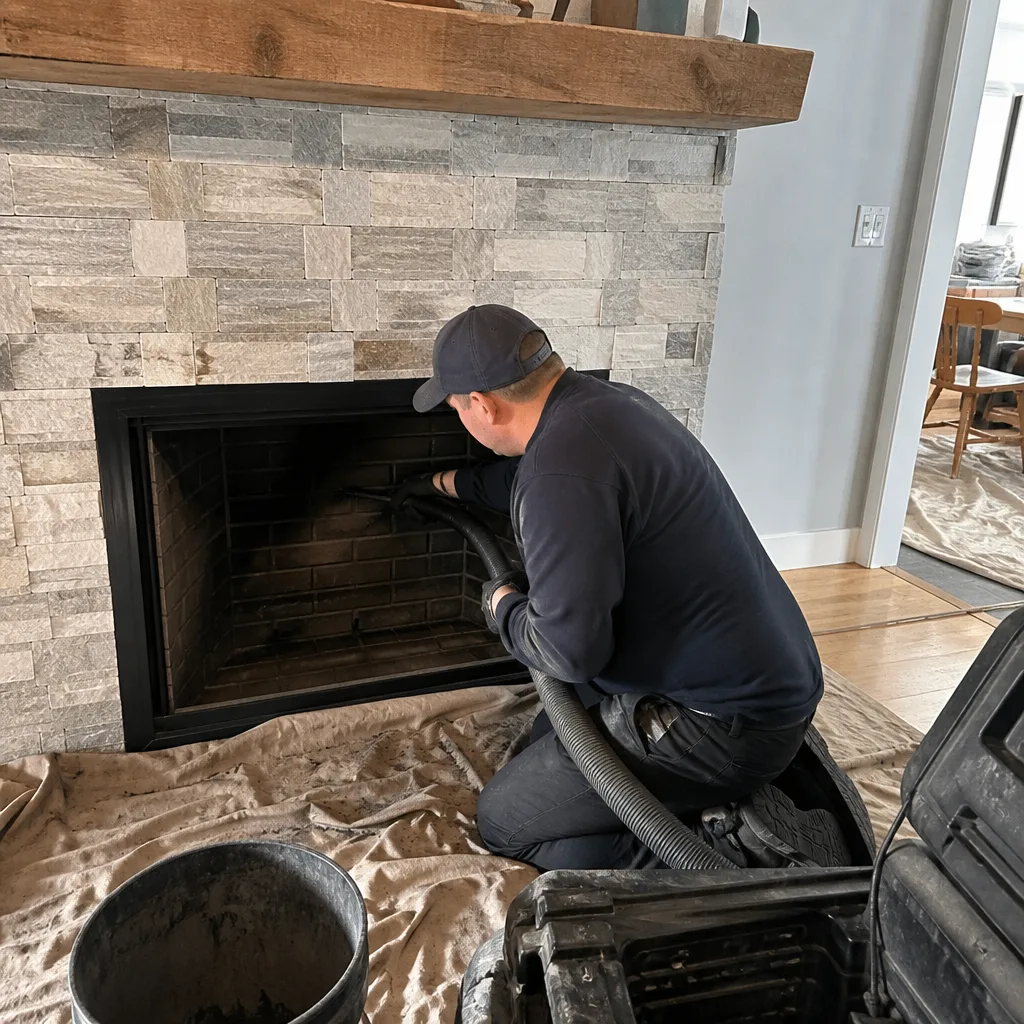
Level 1 sweep and inspection to the NFPA 211 annual standard - flue, crown, cap, and flashing checked and photographed
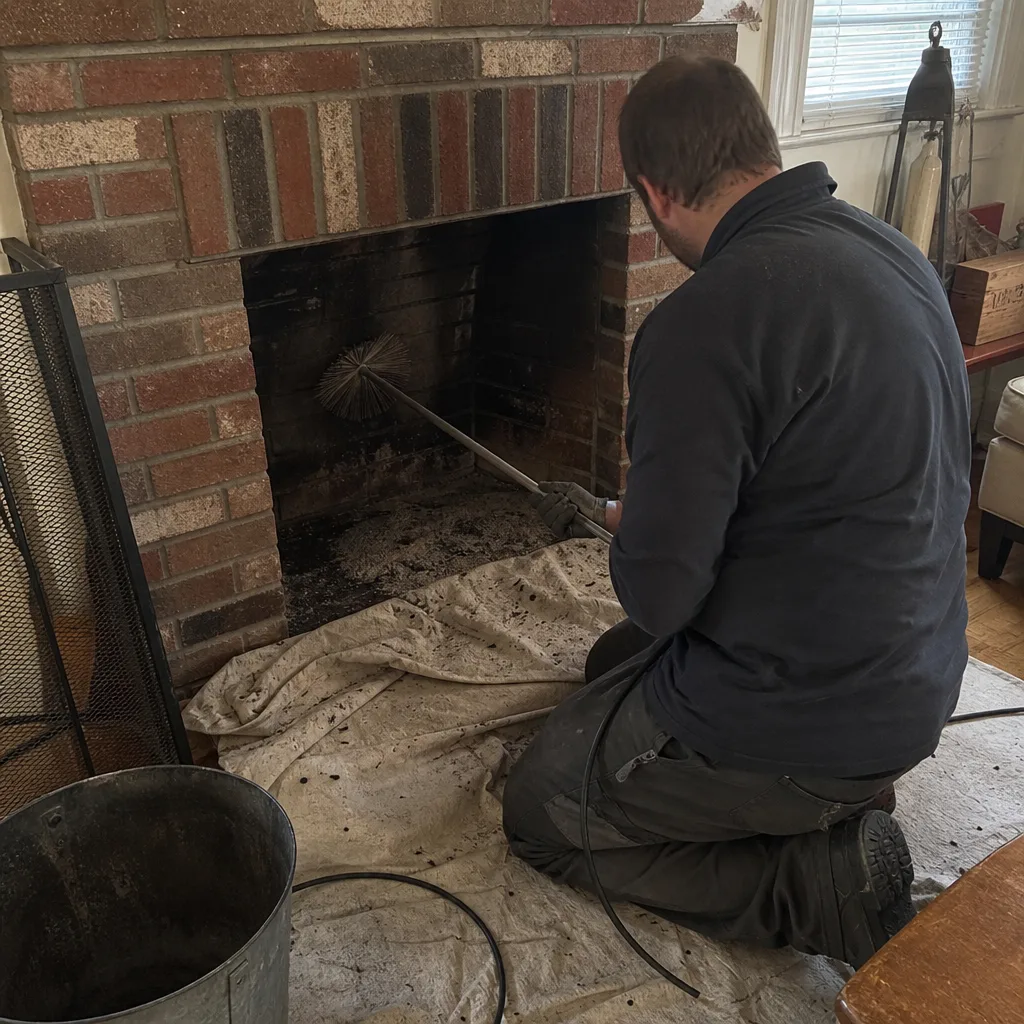
Chimney sweep logs do not sweep chimneys. They loosen some creosote - which then falls where a brush and vacuum still have to collect it.
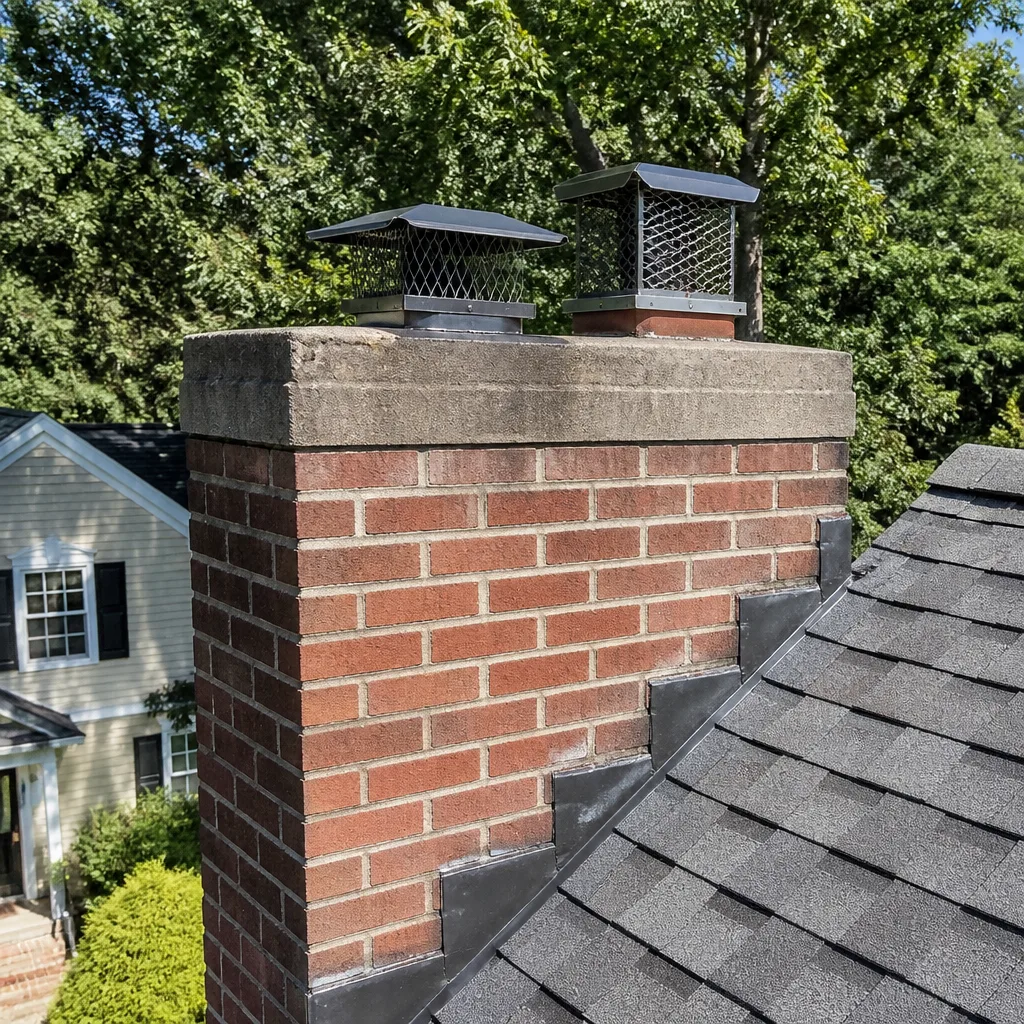
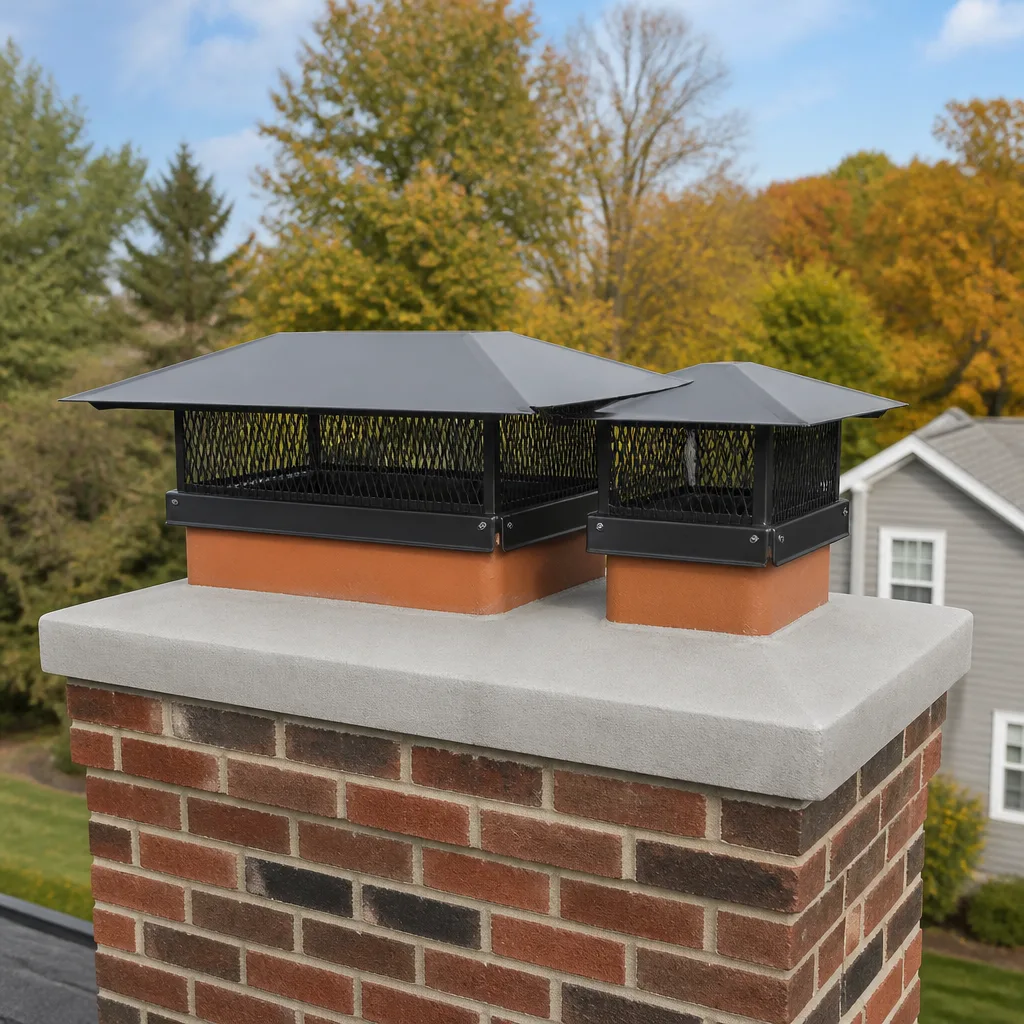
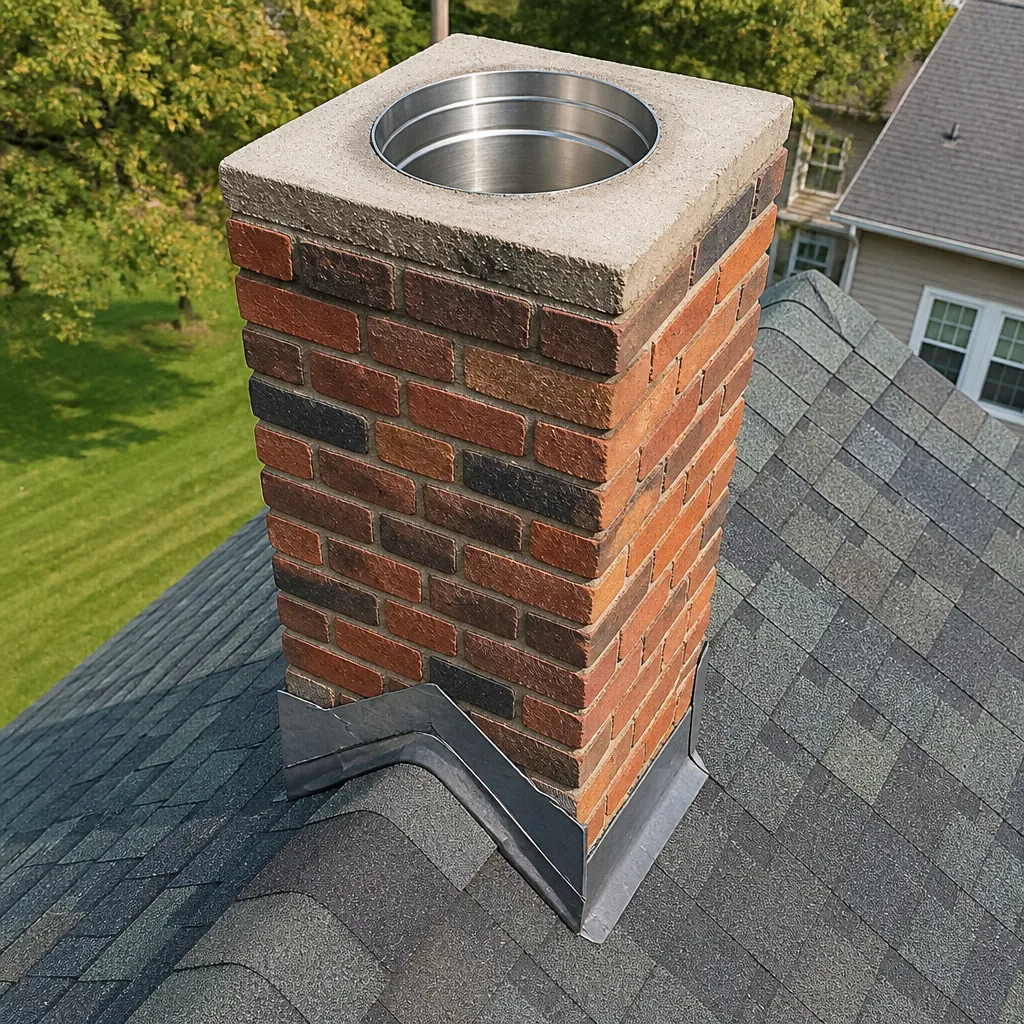
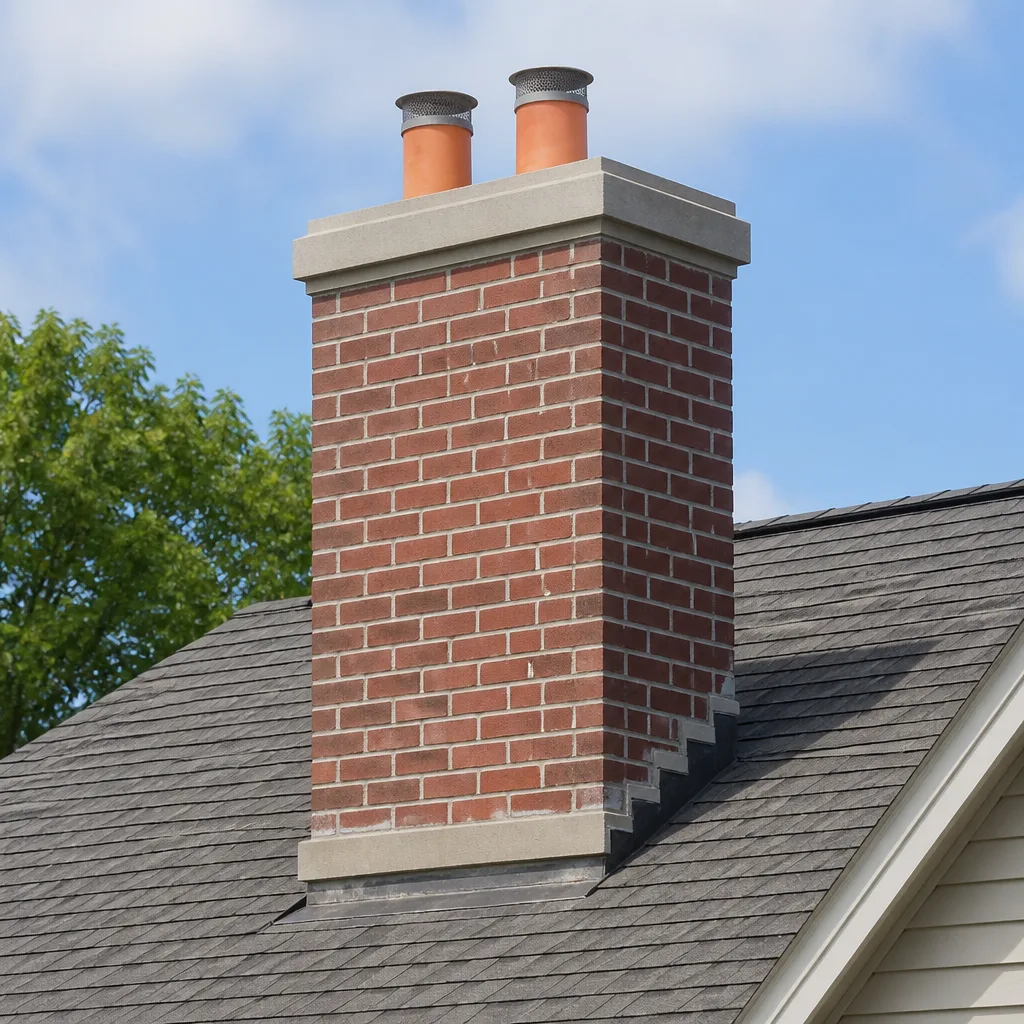
 Before
 After
After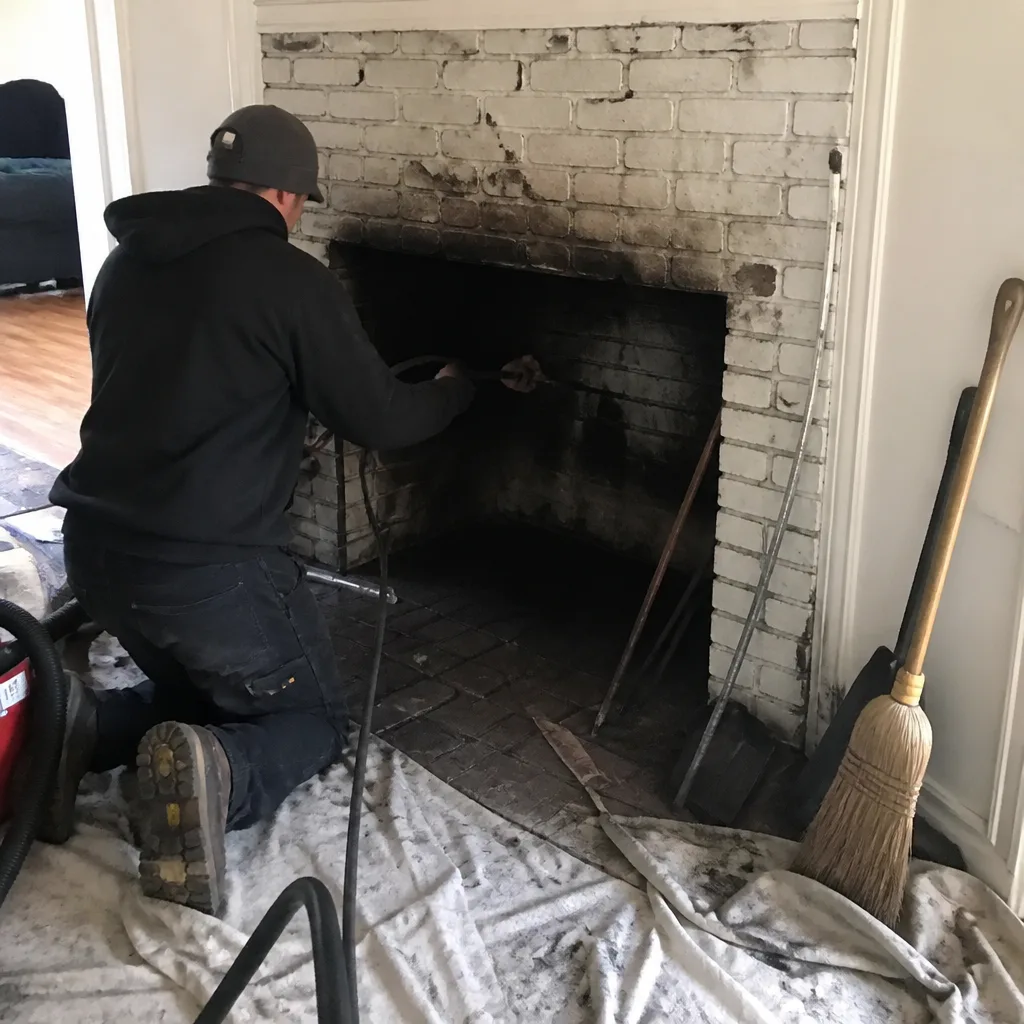 Before
 After
After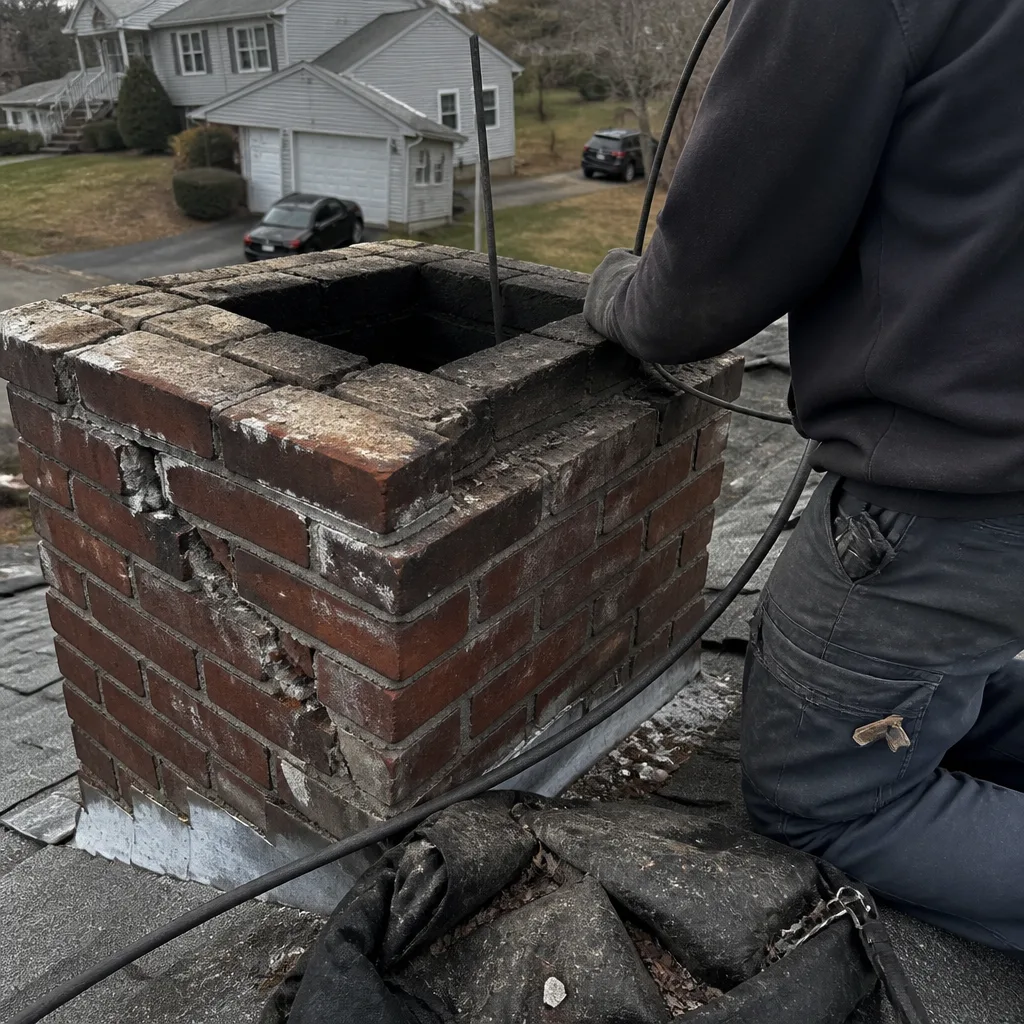 Before
 After
AfterMortar Repointing in Leominster, MA
Mortar repointing is the process of cutting out deteriorated mortar joints between chimney bricks and packing them with fresh mortar to restore a weathertight bond. In Leominster, most chimneys we inspect show some degree of joint erosion by the time they reach 15 to 20 years old – the freeze-thaw cycles that hit central Massachusetts every winter are hard on masonry, and crumbling mortar is almost always the first sign of deeper structural trouble ahead. Catching it at the joint stage costs a fraction of what a full brick replacement runs.
We’re a part of Chimney Repair in Leominster – mortar repointing sits squarely in that category, and it’s one of the most common repairs we handle across Leominster’s older neighborhoods. If your chimney joints look recessed, crumbly, or sandy to the touch, call us at (978) 481-2900 – a live person answers, any time of day, and we’ll book a camera-scan inspection so you know exactly what you’re working with before we name a price.
Every repointing job at Level Two Chimney Leominster starts with a written scope, a written price, and a written warranty – delivered before a single tool comes out of the truck. That’s Haven Standard Clause 1, and it’s not optional on any job we take.
When You Need Mortar Repointing
Mortar doesn’t fail all at once. It erodes gradually, and most homeowners don’t notice it until the joints are already a quarter-inch or more recessed. Here’s what to look for on a Leominster chimney:
- Visibly recessed or crumbling joints. If you can see a clear shadow line between bricks, or if the mortar crumbles when you press it with a key, the joints have lost their compression strength and water is moving in with every rain.
- White staining (efflorescence) on the exterior. That chalky white residue is mineral salt left behind as water passes through the masonry and evaporates. It’s a direct signal that moisture is tracking through deteriorated joints. We see this frequently on south-facing chimney faces in Leominster’s older ranch and colonial homes.
- Spalling bricks. Spalling – where the face of a brick chips or flakes off – usually follows joint failure. Once water gets through the mortar line, it saturates the brick itself, freezes, and pushes the face off. Repointing before bricks spall saves the brick. After they spall, you’re replacing masonry, not just mortar.
- Water in the firebox or on the smoke shelf. If you’re finding water pooling in the firebox after a rain, deteriorated mortar joints above the roofline are a primary suspect. We’ll run the camera to confirm, but failed joints are the cause more often than not.
- A recent inspection report flagging joint condition. If an NFPA 211 Level 2 inspection – the kind that includes camera documentation down the flue – flagged mortar joint integrity as a concern, don’t wait a season. Leominster’s winter moisture cycle will push a marginal joint to a failed one faster than most homeowners expect.
- A chimney that hasn’t been professionally looked at in more than 10 years. At that interval in central Massachusetts, mortar erosion is almost a given. We’ve inspected more than 38,000 chimneys since 2009, and the pattern is consistent: the joints go first, quietly, long before anything dramatic happens.
Our Mortar Repointing Process
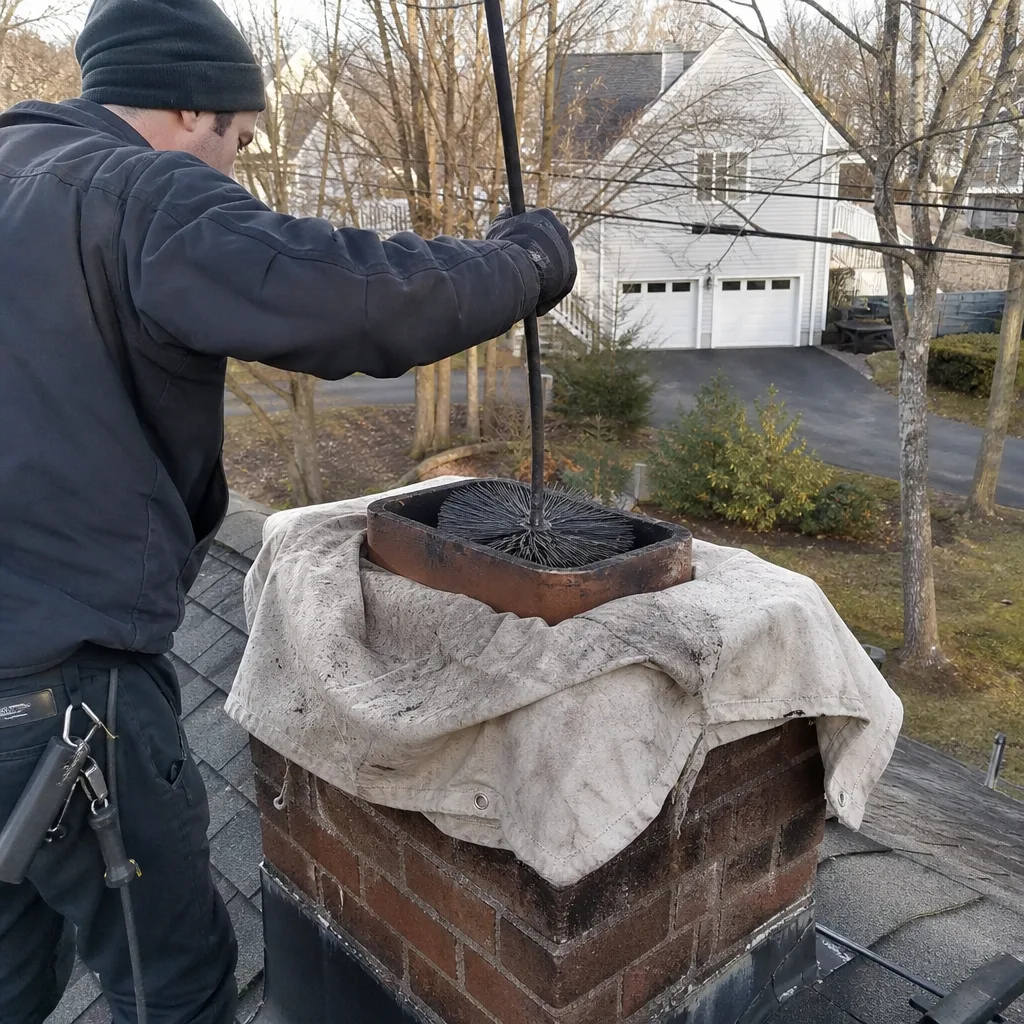
We don’t repoint blind. Every job starts with documentation so both we and the homeowner know the full condition of the masonry before we decide how much work is actually needed. Here’s how a repointing job moves from first call to finished chimney.
- Camera-scan inspection and photo documentation. Before we talk price, a technician runs a full NFPA 211 Level 2 inspection: camera down the flue, exterior masonry assessment, and a photo record of the joint condition from cap to foundation. Clause 4 of the Haven Standard requires this documentation on every visit – not because it’s impressive, but because it’s the only way to give an honest price and have a record of what was actually there before we touched it.
- Written scope and written price – before work starts. Once we know the extent of joint erosion – linear footage, depth, whether any bricks are compromised – we write it out. The scope names the affected courses, the mortar type we’ll use, and the warranty. You sign off on that, not on a verbal agreement in your driveway.
- Joint preparation: cutting and raking. Deteriorated mortar is cut out to a minimum depth of three-quarters of an inch using angle grinders and hand raking tools. This is not optional – packing new mortar over old failed mortar produces a joint that looks repaired and fails within two or three seasons. Proper depth is what gives the new mortar something solid to bond with.
- Mortar matching and packing. We match mortar type to the original masonry – this matters more than most people realize. Pre-1950s Leominster homes often have softer lime-based brick that requires a lime-rich mortar mix. Packing a hard Portland-heavy mortar into a soft historic brick will cause the brick face to crack before the mortar does. We source materials through the Haven buying network, including from suppliers like Olympia Chimney, to get the right mix and keep material costs honest.
- Joint tooling and weather protection. Fresh mortar is tooled to match the original joint profile – usually a concave strike for chimneys, which sheds water better than a flat or flush joint. During curing, we protect the work from direct sun and rain for at least 24 hours, which is critical for bond strength in Massachusetts shoulder-season conditions.
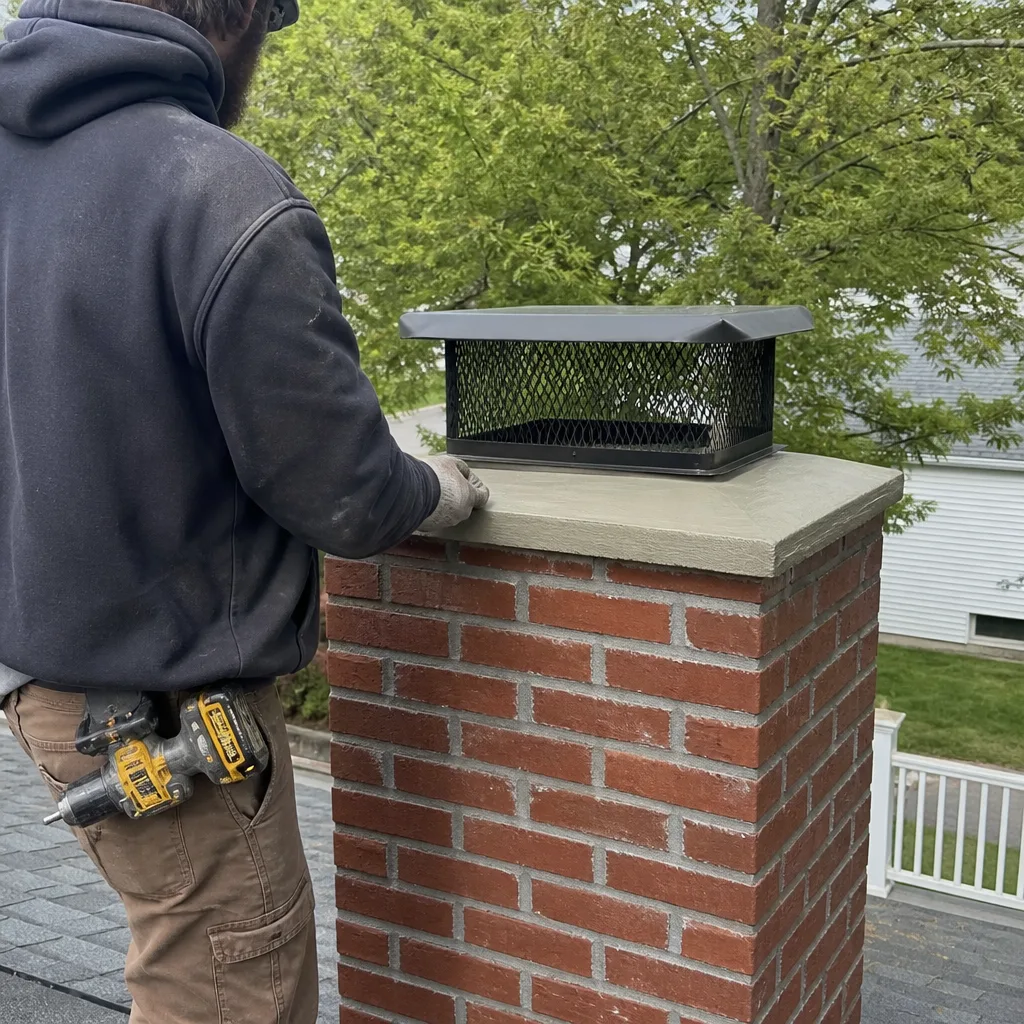
- Final inspection and photo record. When the work is done, we document the finished joints with photos, confirm the warranty in writing, and walk you through what was done. You leave the job with a photo archive, a written warranty, and a scope that describes exactly what was completed. That’s the record – yours to keep, useful if you ever sell the home.
 Before
 After
AfterMortar Repointing Pricing in Leominster
Mortar repointing in Leominster typically runs between $400 and $2,200 depending on the scope of the job. Most single-chimney repointing projects on a standard Leominster colonial or cape – partial joint repair on one or two exposed faces – land in the $500 to $900 range. Full perimeter repointing on a taller chimney with significant erosion across all four faces runs closer to $1,400 to $2,200.
We name the price on the page because that’s the point. Here’s a plain breakdown of what moves the number:
- Linear footage of failed joints: We measure what’s actually deteriorated, not the whole chimney. Partial repairs cost less. We won’t sell you a full repoint if three courses on one face is all that’s failing.
- Chimney height and roof pitch: Taller chimneys and steep Leominster roofs require additional staging or ladder setup, which adds labor time. A two-story colonial chimney costs more to reach safely than a single-story ranch chimney that can be accessed from a standard extension ladder.
- Mortar type and mix requirements: If the original masonry is soft historic brick – common in Leominster’s older neighborhoods near downtown and in the Mechanic Street corridor – we’ll use a lime-based mix that’s more expensive than standard Portland mortar but protects the brick. Using the wrong mix to save twenty dollars creates a much larger repair bill in four years.
- Number of chimney faces affected: A chimney that’s eroding on three faces costs more than one eroding on one. It’s straightforward math, and the written scope will show you the breakdown by face.
- Brick repair needed alongside repointing: If spalling bricks need to be replaced before we can repoint, that adds both material and labor cost. We’ll flag this in the inspection before quoting.
The inspection that produces this written price is included as standard – it’s not a separate charge that appears at the bottom of the invoice. Call (978) 481-2900 to schedule, and if you’ve already received a written estimate from another mason, bring it. We offer a free second opinion on any written estimate, and we’ll tell you plainly whether the scope matches the work that’s actually needed.
FAQs – Mortar Repointing
How do I know if my chimney needs repointing or a full rebuild?
Repointing is the right repair when the bricks themselves are structurally sound and only the mortar joints have eroded. A full or partial rebuild is needed when bricks are spalling, cracked through their core, or when the chimney has shifted or leaned. The distinction matters because the price difference is significant – repointing a sound chimney costs far less than rebuilding it. The only way to answer that question accurately for a specific chimney is a camera-scan inspection that documents the masonry condition from multiple angles. We include that inspection in every job quote so the answer is in writing, not guesswork. Call (978) 481-2900 and we’ll get a technician out for that assessment.
How long does repointed mortar last in Leominster’s climate?
Properly prepared and correctly matched mortar on a Leominster chimney should last 20 to 30 years. The central Massachusetts freeze-thaw cycle – typically 90 to 110 freeze-thaw events per winter season – is hard on any masonry joint, but the two biggest factors in longevity are joint depth during preparation and mortar type match. Joints cut to less than three-quarters of an inch fail early. Hard Portland mortar packed into soft historic brick cracks the brick face and the joint fails in three to five years. We document the mortar type used on every job, so if you ever have a question about what was installed, the record is there.
Can I repoint a chimney myself?
Raking and packing mortar joints is physically straightforward at grade level on a garden wall, but chimney repointing requires working at height on a roof – often on a sloped surface, often near the chimney stack where there’s nothing solid to brace against. Beyond the fall risk, mortar matching for chimney masonry requires knowing the original brick composition and selecting a compatible mix, and the joint preparation depth standard matters for bond strength. We strongly recommend leaving chimney repointing to a trained professional with proper staging equipment. If you’re seeing joint erosion, call us for our Chimney Repair services – the inspection is included in the written quote and there’s no obligation until you sign a written scope.
Does mortar repointing require a permit in Leominster?
Most mortar repointing repairs on residential chimneys in Leominster do not require a building permit under Massachusetts state building code – they fall under ordinary repair and maintenance. However, if the scope of work extends to structural elements of the chimney, such as rebuilding above the roofline or significant brick replacement, a permit may apply. We handle permit questions as part of the written scope process; if a permit is required for the work we’re proposing, we’ll tell you before work starts, not after. Call (978) 481-2900 if you have a specific question about your project.
Why Leominster Homeowners Choose Level Two Chimney Co.
Corrine Halstead built Level Two Chimney Co. around a simple principle: name what you found, name what it costs, put both in writing before anyone picks up a tool. That practice – camera documentation, written scope, written price, written warranty – has been standard on every job since 2009, long before it became common in the industry.
Since then, we’ve completed more than 38,000 chimney inspections and cleanings across the region, every one with a written price before work started and a documented photo record when it was done. For homeowners in Leominster who research before they call anyone, that record matters. You’re not taking our word for the condition of your chimney – you’re looking at the same photos the technician is looking at.
The 365-Day Done Right Promise is stamped on every job under the Haven Standard. If the repointing we completed doesn’t hold, we make it right. Not a conversation about making it right – we make it right. That’s the written warranty, not a verbal assurance.
Our materials come through the Haven buying network – suppliers like Olympia Chimney and Gelco – specifically to keep material costs honest without cutting on quality. Background-checked, uniformed technicians are assigned by name, and you get a text when they’re on the way. If you have a question at any point, you call (978) 481-2900 and a live person answers. Not a form. Not a voicemail.
If you’re looking at a chimney in Leominster with joint erosion and want to know exactly what’s going on and exactly what it will cost to fix it, that’s the conversation we’re set up to have. Visit our home page to learn more about what we cover, or call us directly at (978) 481-2900 to schedule a camera-scan inspection. The written price comes before any work starts – that’s not a policy we make exceptions to.
Written by Corrine Halstead, Owner at Level Two Chimney Leominster, serving Leominster.